British Museum Highlights
New, in beta. British Museum support has just launched and is still improving: over 1,000 objects so far, with more added all the time.
The British Museum is far too big to see in one visit. If your time is short, these are the objects most people come for, and the ones our photo recognition knows best. Each has a free audio commentary on Audioguide.London: take a photo, or type the audio number on its label.
12 objects not to miss
- The Rosetta Stone (Room 4). One decree carved in three scripts, hieroglyphic, Demotic and ancient Greek, which became the key to reading Egyptian hieroglyphs.
- Colossal bust of Ramesses II (Room 4). A seven-tonne granite portrait of the pharaoh, brought from his mortuary temple at Thebes.
- The Parthenon sculptures (Room 18). Marble figures, metopes and frieze carved for the Parthenon in Athens in the 5th century BC.
- The Assyrian winged bulls (Room 10c). Human-headed guardian figures over four metres tall that once flanked a palace gateway at Khorsabad.
- The lion hunt reliefs (Room 10a). Carved panels from Nineveh showing King Ashurbanipal hunting lions, among the finest Assyrian sculpture to survive.
- Hoa Hakananai’a (Room 24). A basalt moai from Rapa Nui (Easter Island), carved with ceremonial designs on its back.
- The Egyptian mummies (Rooms 62–63). Painted coffins, mummies and burial goods, among the most visited rooms in the museum.
- The Sutton Hoo helmet (Room 41). The iron helmet from an early 7th-century Anglo-Saxon ship burial in Suffolk.
- The Lewis Chessmen (Room 40). Twelfth-century chess pieces carved from walrus ivory, found on the Isle of Lewis.
- The Standard of Ur (Room 56). A box about 4,500 years old, inlaid with shell, lapis lazuli and red limestone, showing war on one side and peace on the other.
- The Portland Vase (Room 70). A Roman vase of dark blue glass with white cameo-cut figures, copied for centuries afterwards.
- The Cyrus Cylinder (Room 52). A clay cylinder from Babylon recording Cyrus the Great’s conquest of the city in 539 BC.
Room numbers as of October 2026. Objects occasionally move or go on loan, so check the museum’s map on the day.
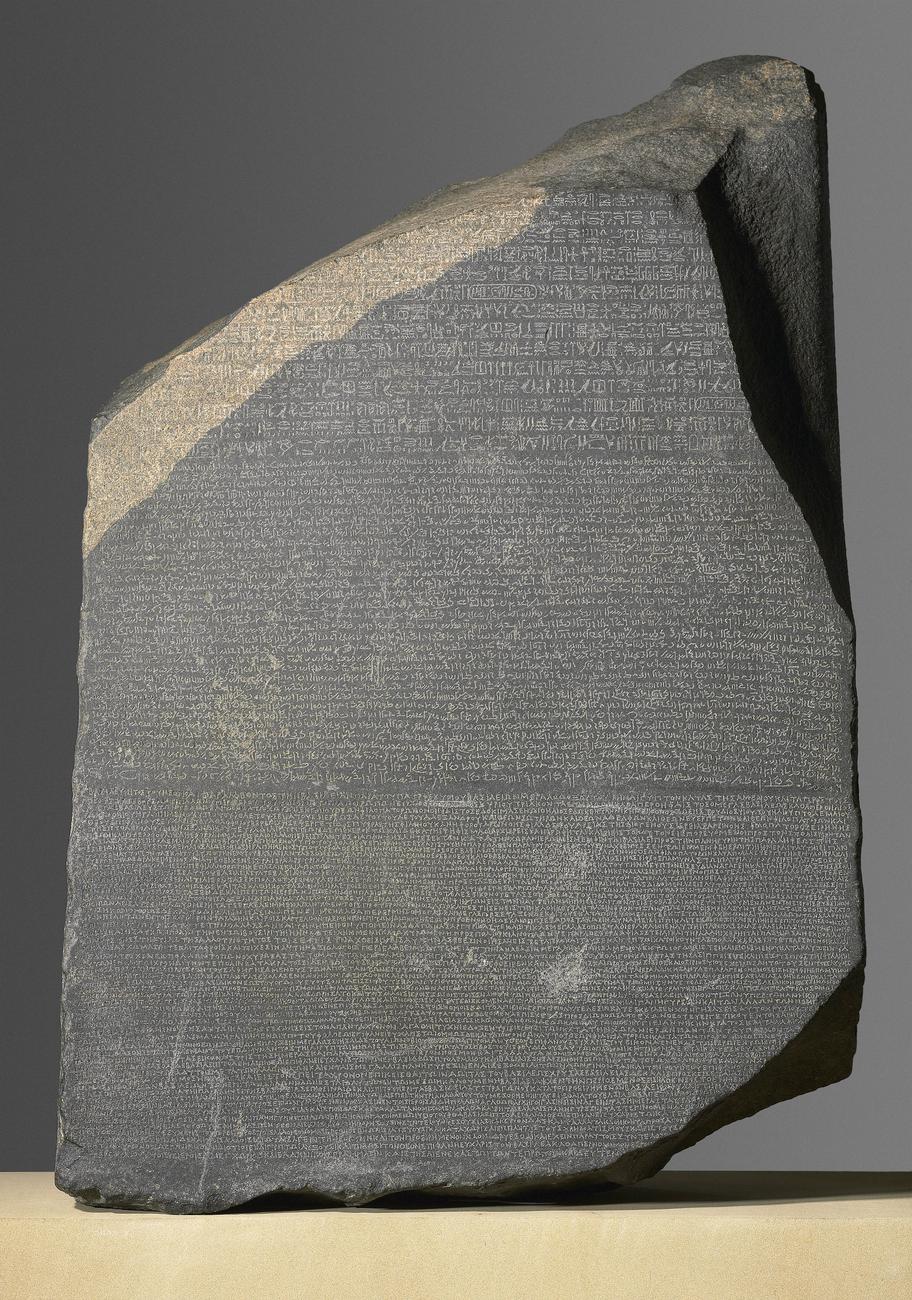
The Rosetta Stone
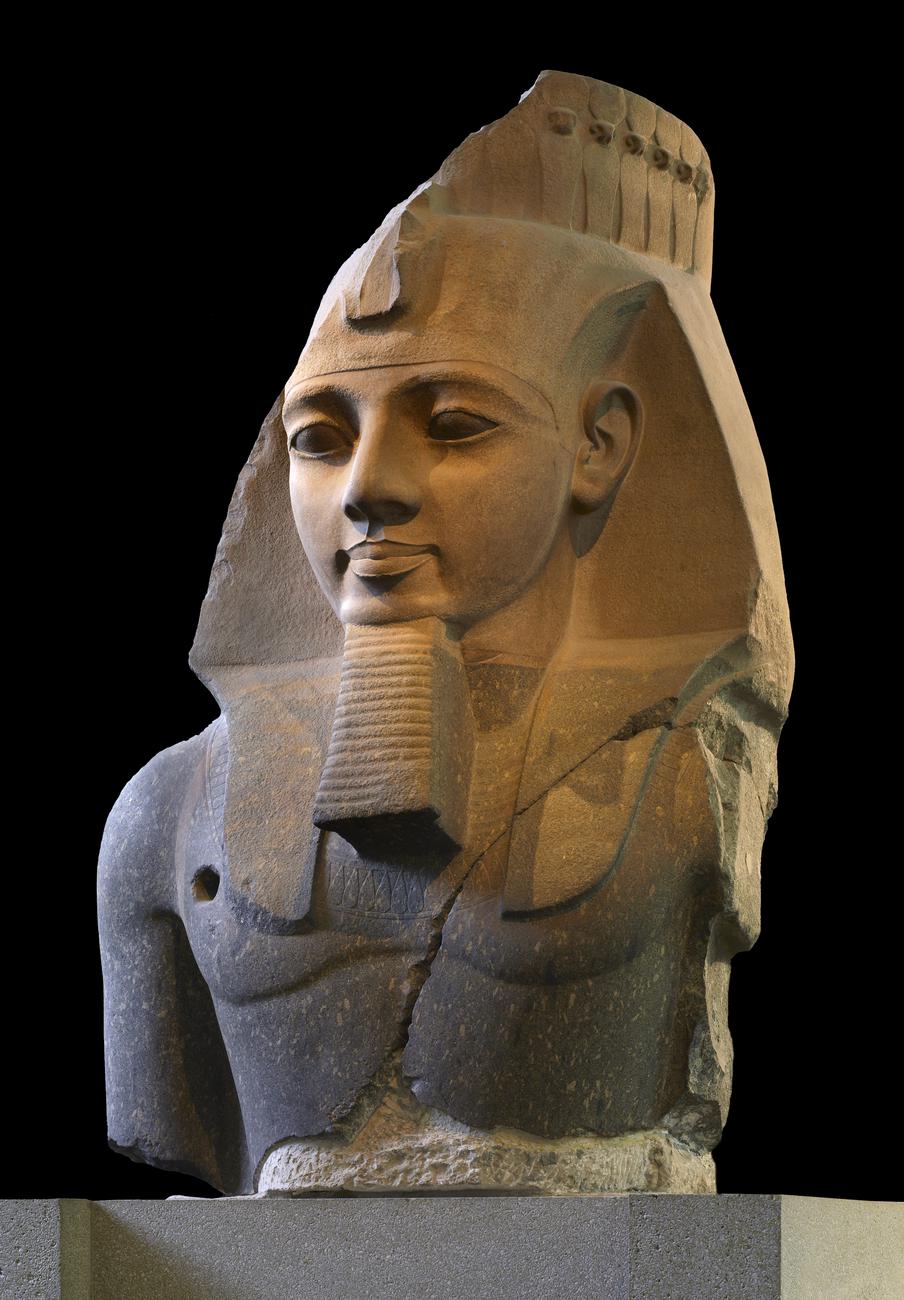
Statue of King Ramesses II
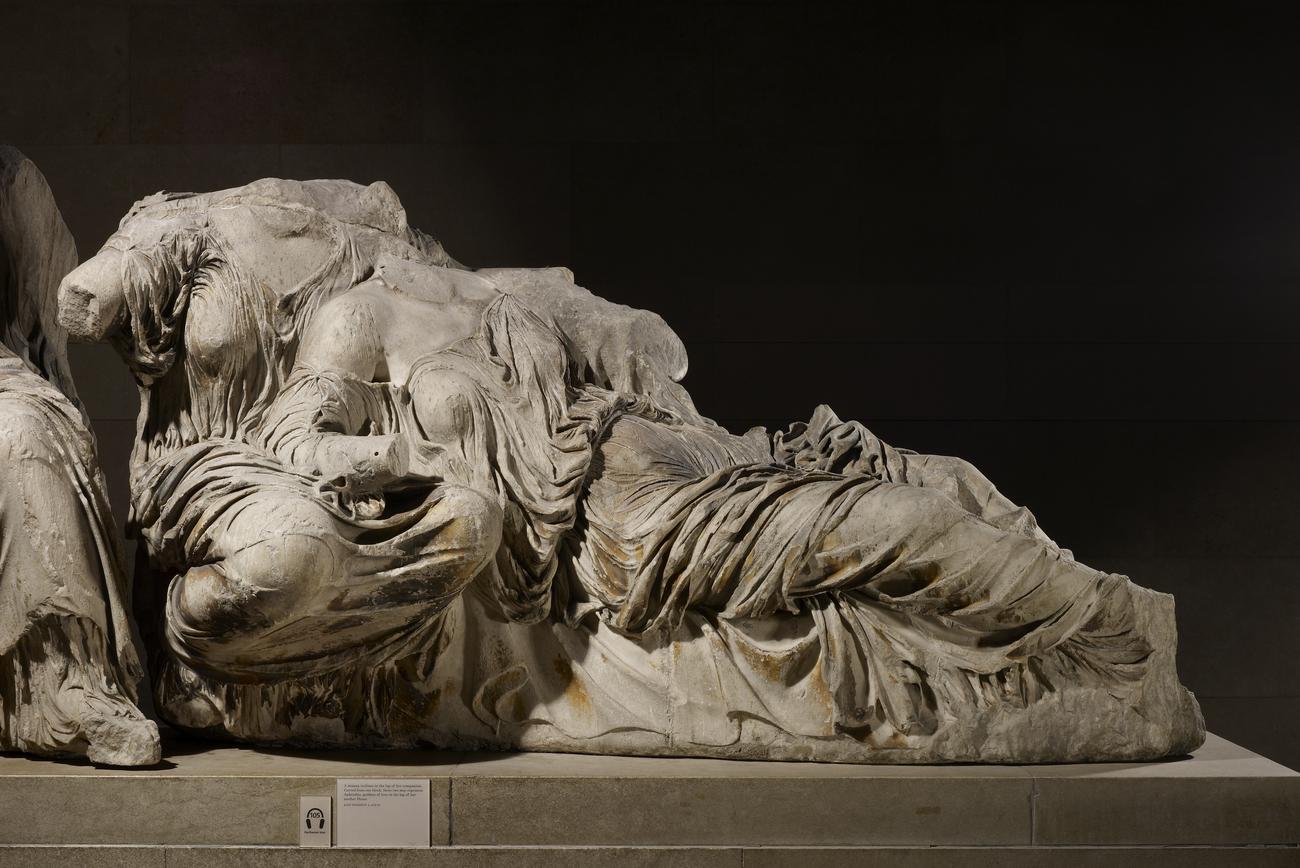
The East pediment
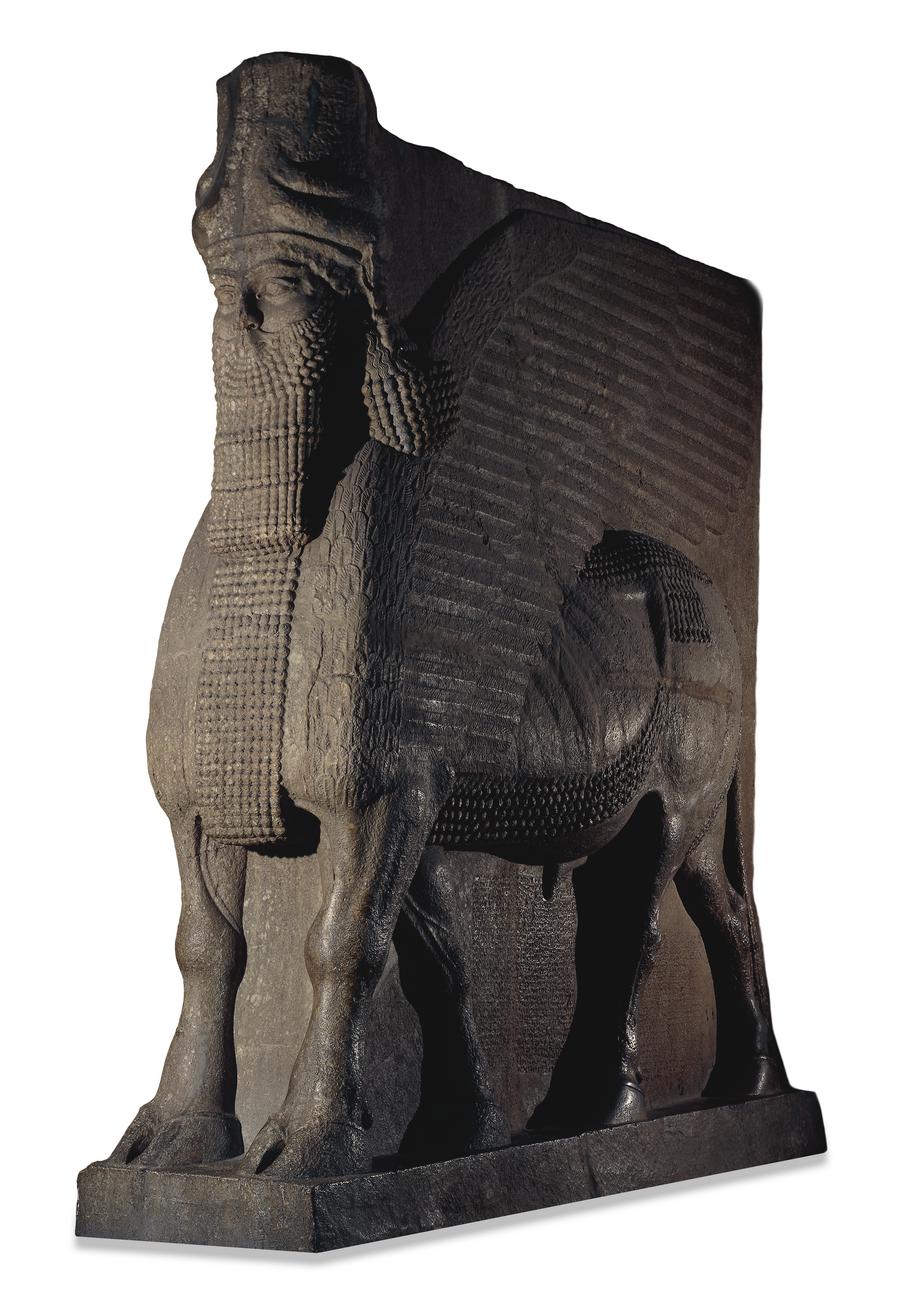
Sculpture of a winged bull
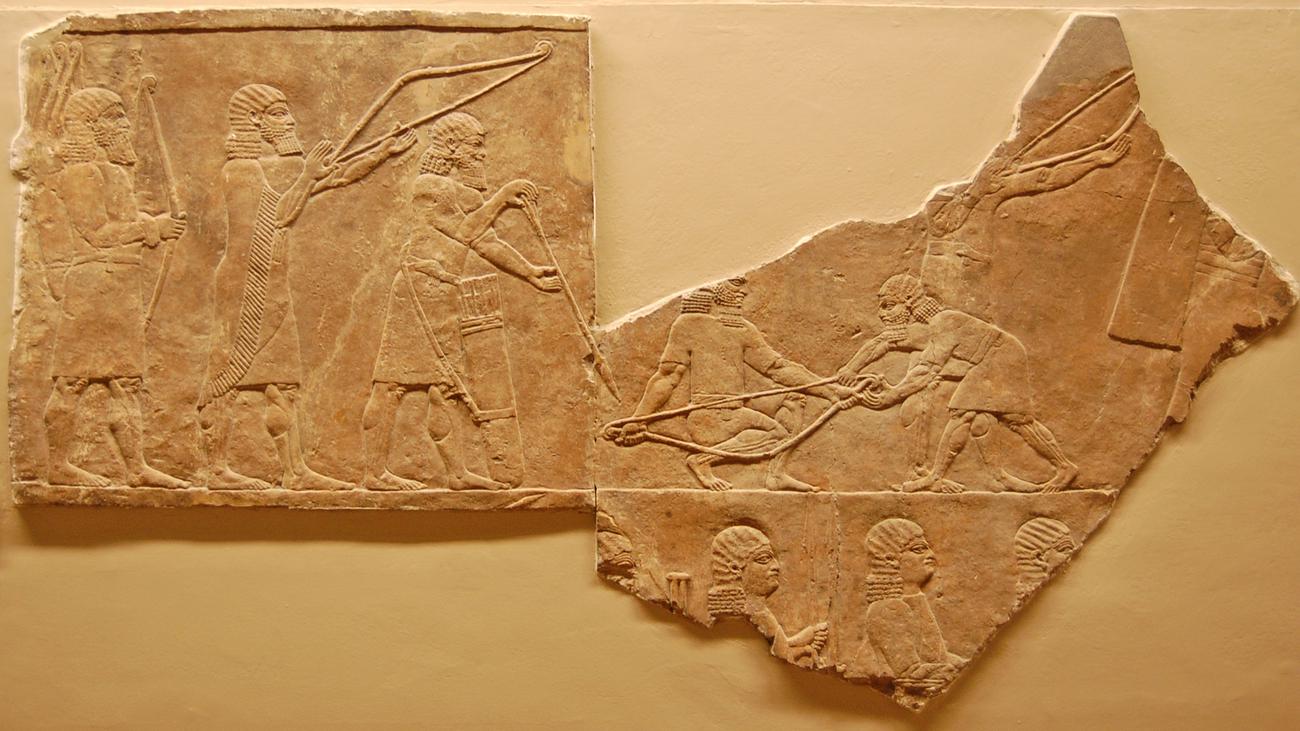
Relief of a lion hunt
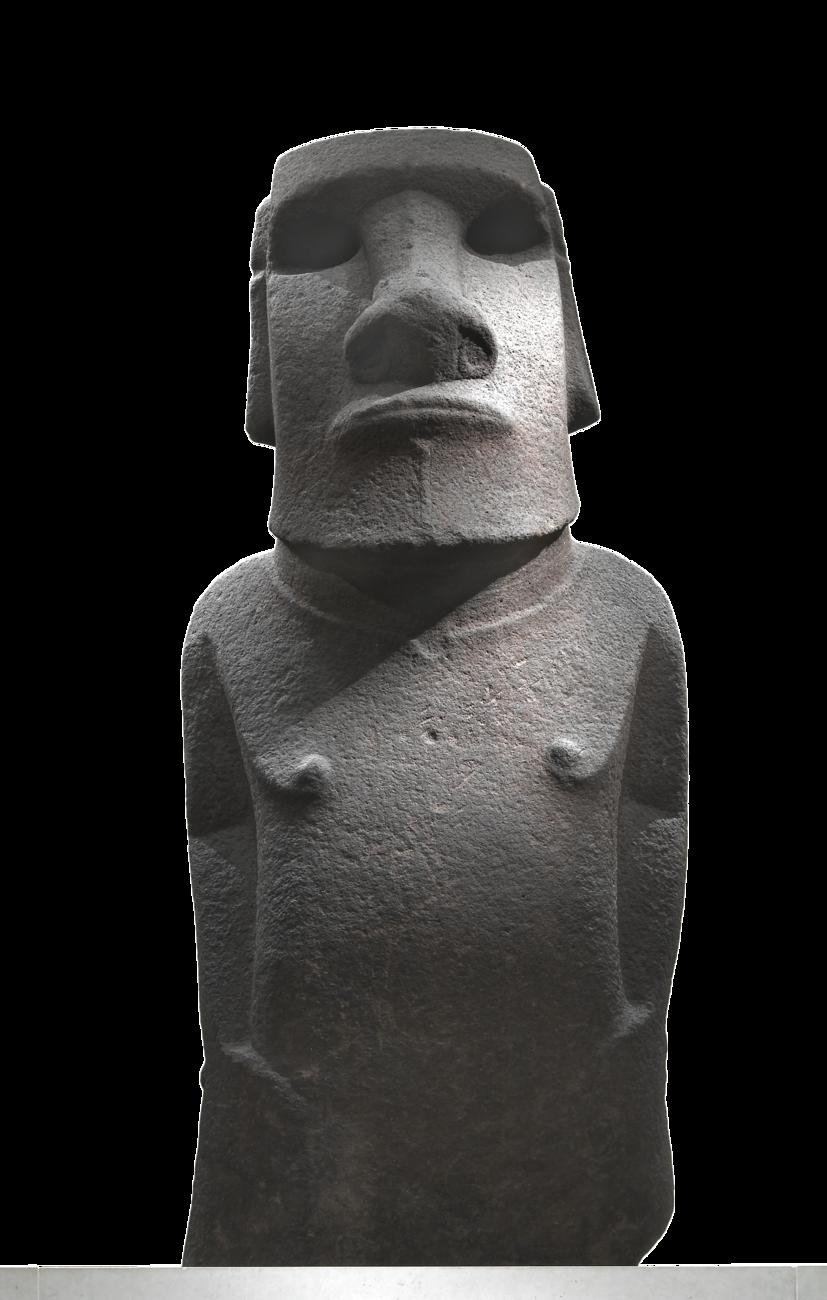
Hoa Hakananai'a
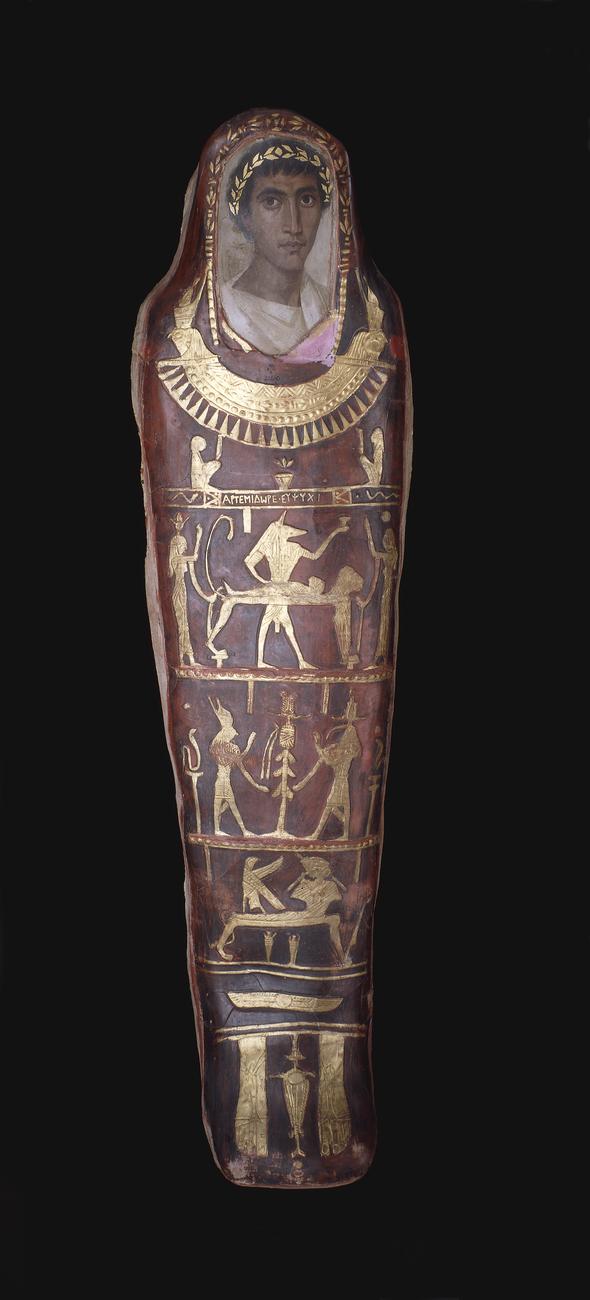
Mummy of Artemidorus
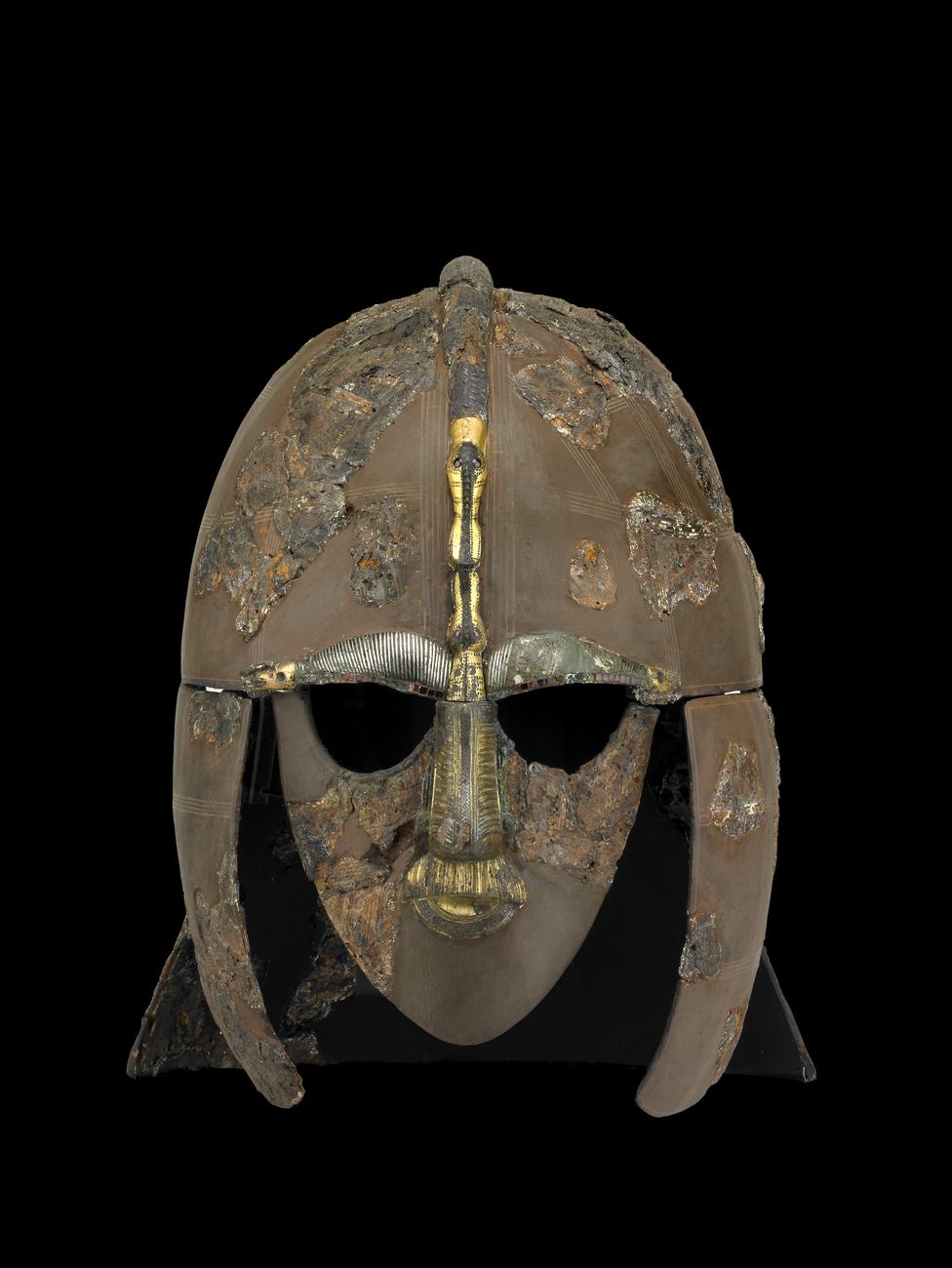
The Sutton Hoo Helmet
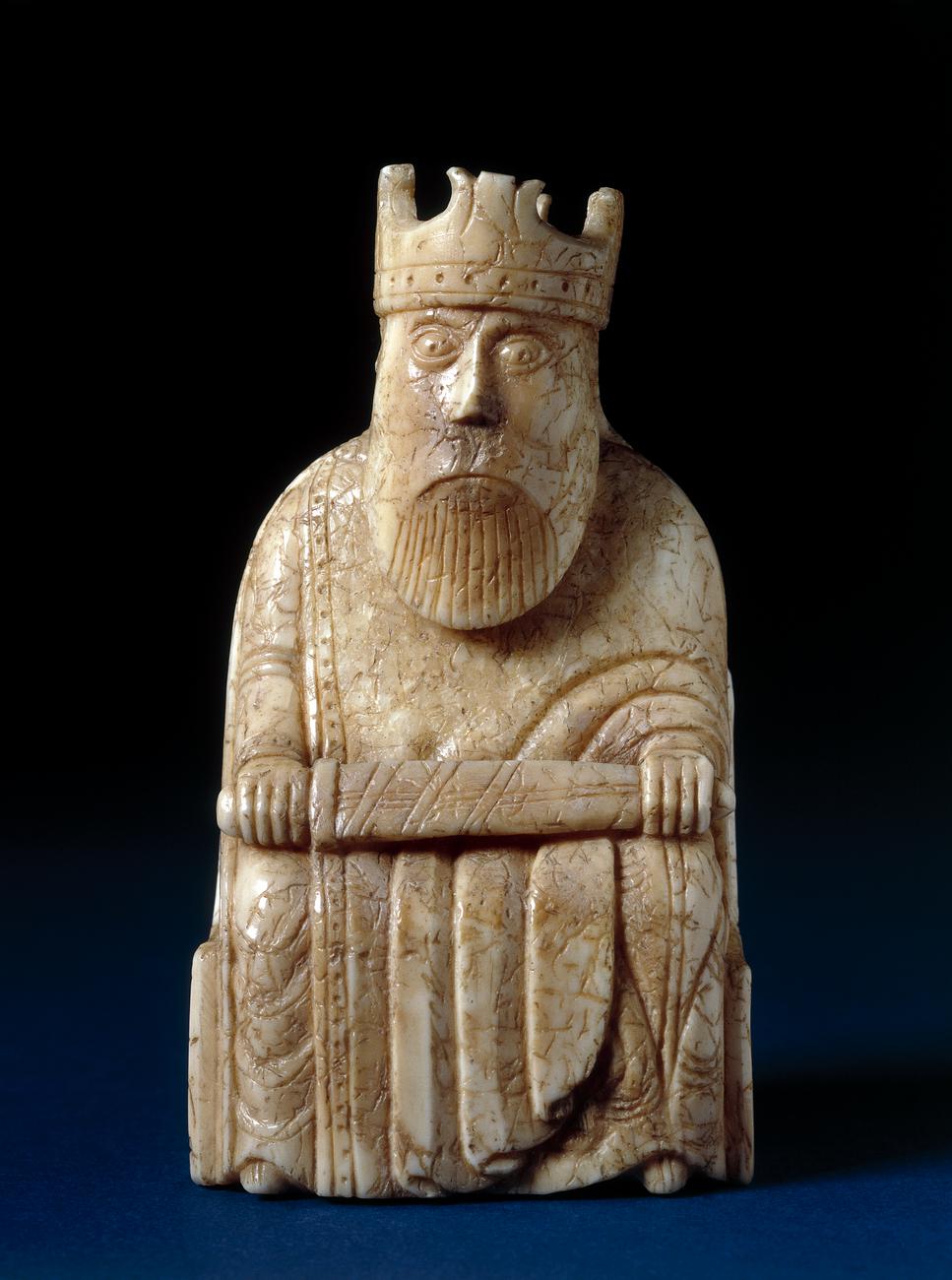
The Lewis Chessmen
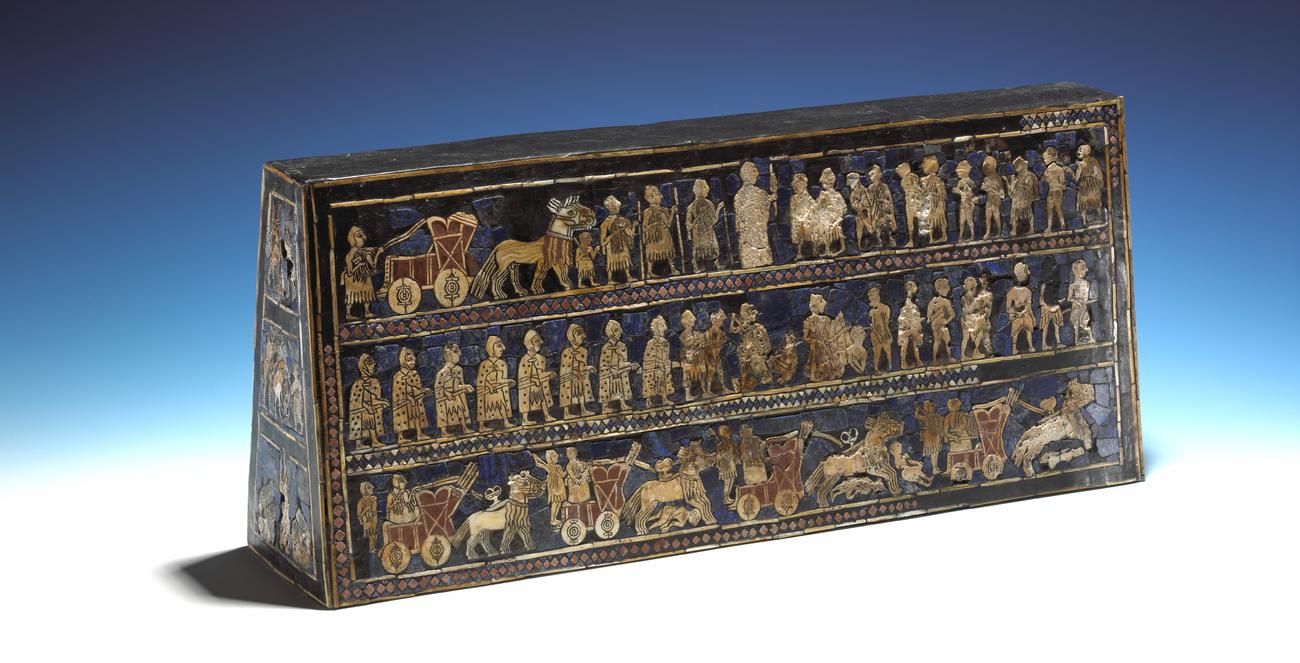
The Standard of Ur
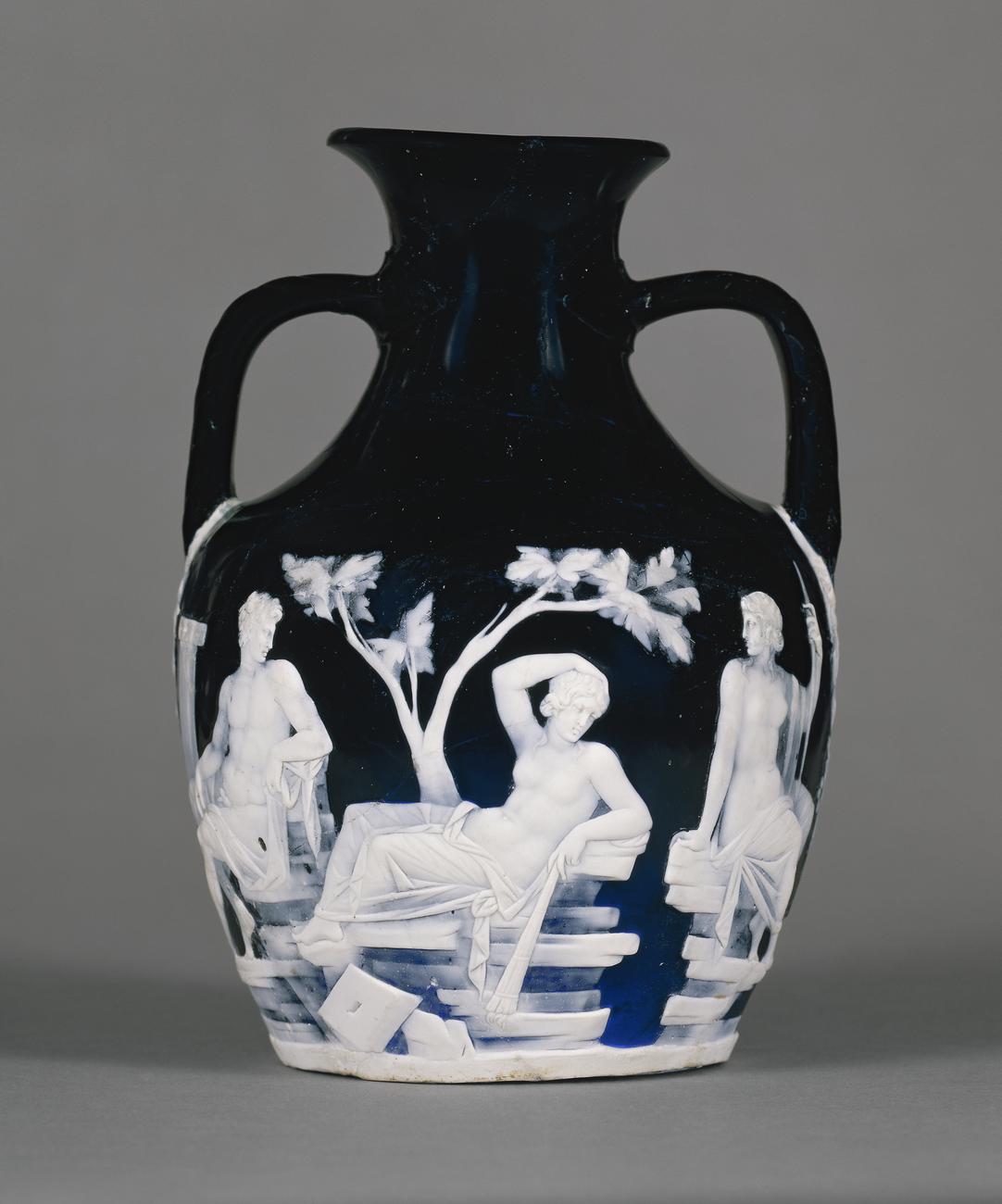
The Portland Vase
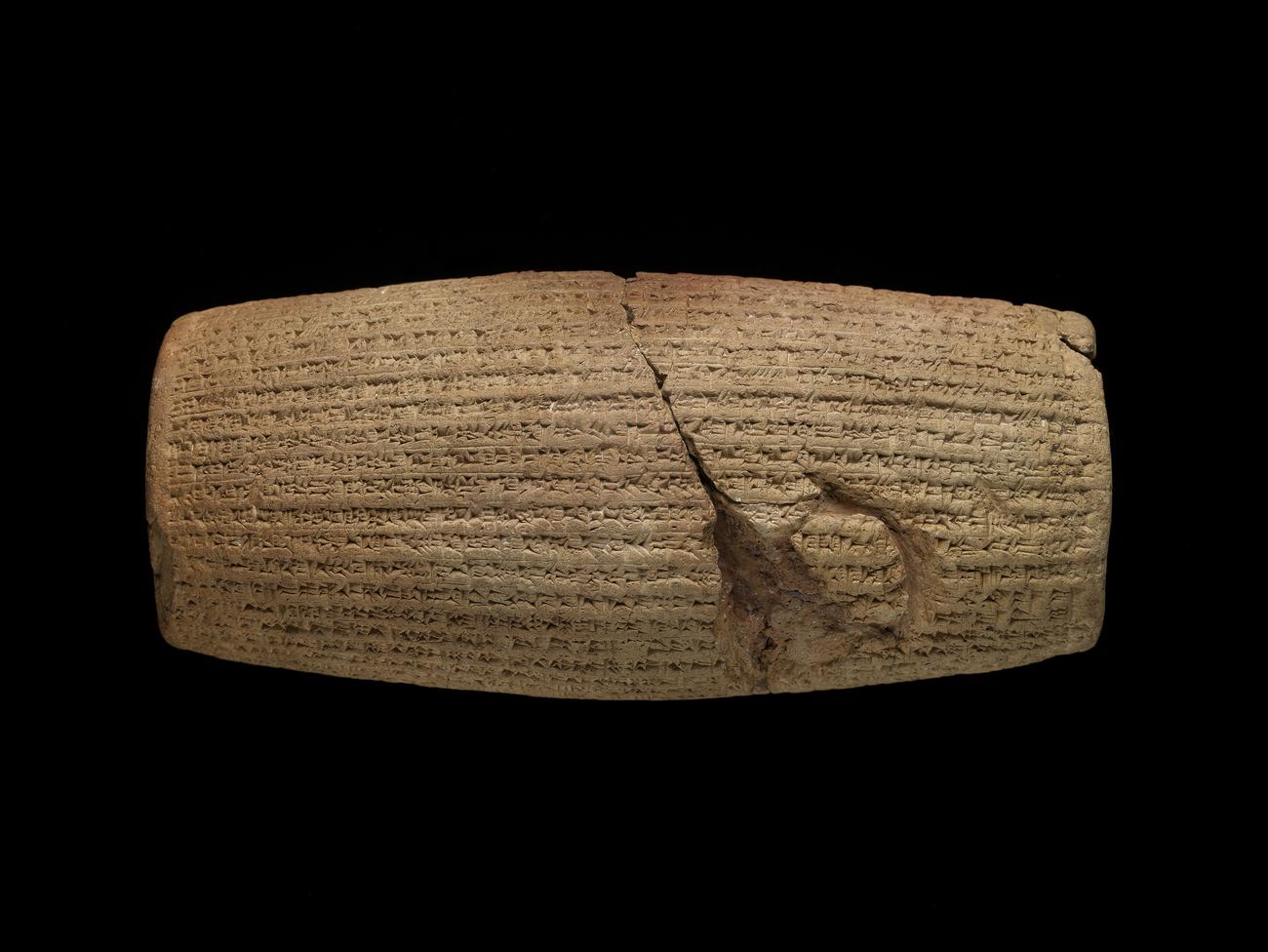
The Cyrus Cylinder
Images © The Trustees of the British Museum, shared under a CC BY-NC-SA 4.0 licence.
Getting the audio for each object
Big, famous objects like these are what photo recognition handles best. Choose British Museum on the home page, take a photo, and the commentary starts. If a photo isn’t recognised, type the audio number from the label. See the free British Museum audio guide for tips.
Frequently asked questions
What should I not miss at the British Museum?
The Rosetta Stone, the Parthenon sculptures, the Assyrian galleries, the Egyptian mummies, the Sutton Hoo helmet and the Lewis Chessmen are the objects most visitors come for. All have a free audio commentary on Audioguide.London.
Where is the Rosetta Stone?
In Room 4, the Egyptian sculpture gallery on the ground floor, a short walk from the Great Court. It is usually the busiest spot in the museum, so go early or late in the day.
Can I take photos in the British Museum?
Yes, in most of the permanent galleries, for personal use and without flash. Some special exhibitions, including the Bayeux Tapestry, do not allow photography.