The White Obelisk
- Gallery: Room 6a
- Culture: Neo-Assyrian
- Date: 1049BC-1031BC
- Object type: obelisk
- Materials: limestone
- Museum number: 118807
- Museum: The British Museum
- Collection record: British Museum website
- Image © The Trustees of the British Museum, shared under a CC BY-NC-SA 4.0 licence.
Listen to the free audio guide
About this object
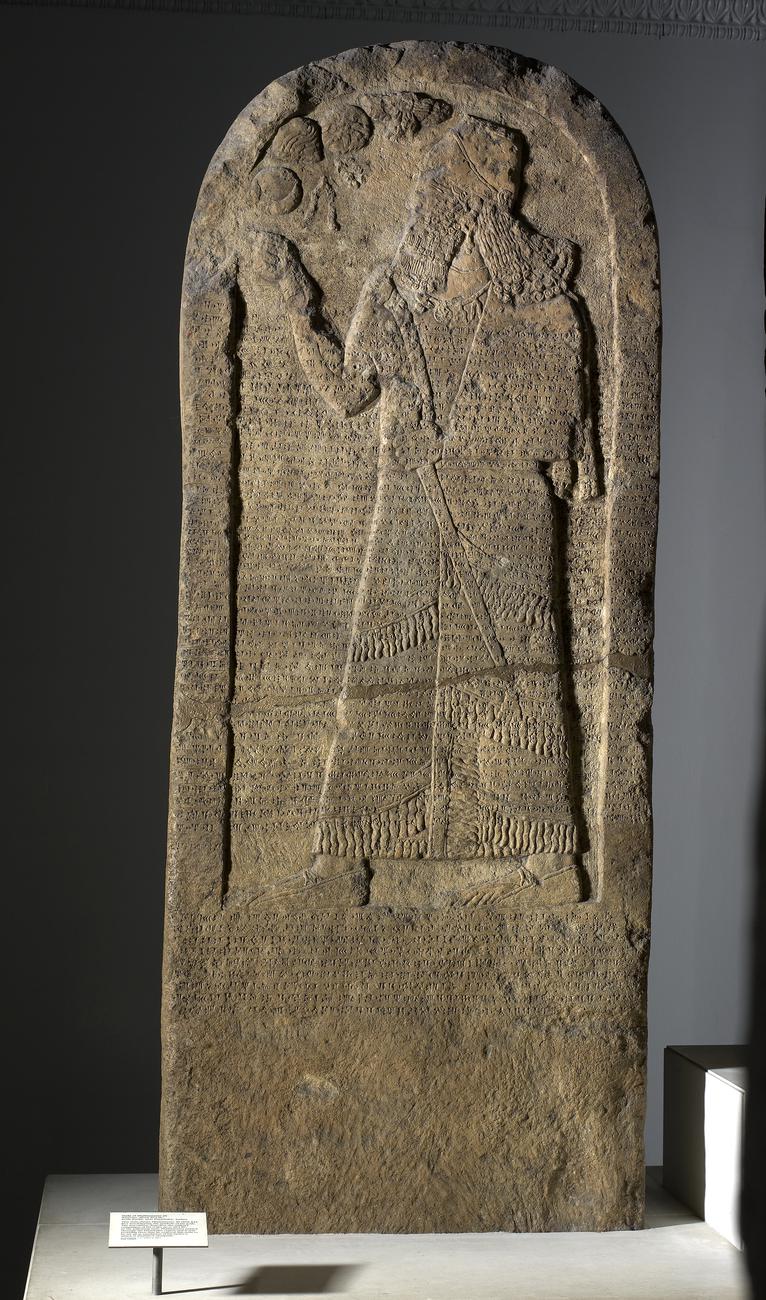
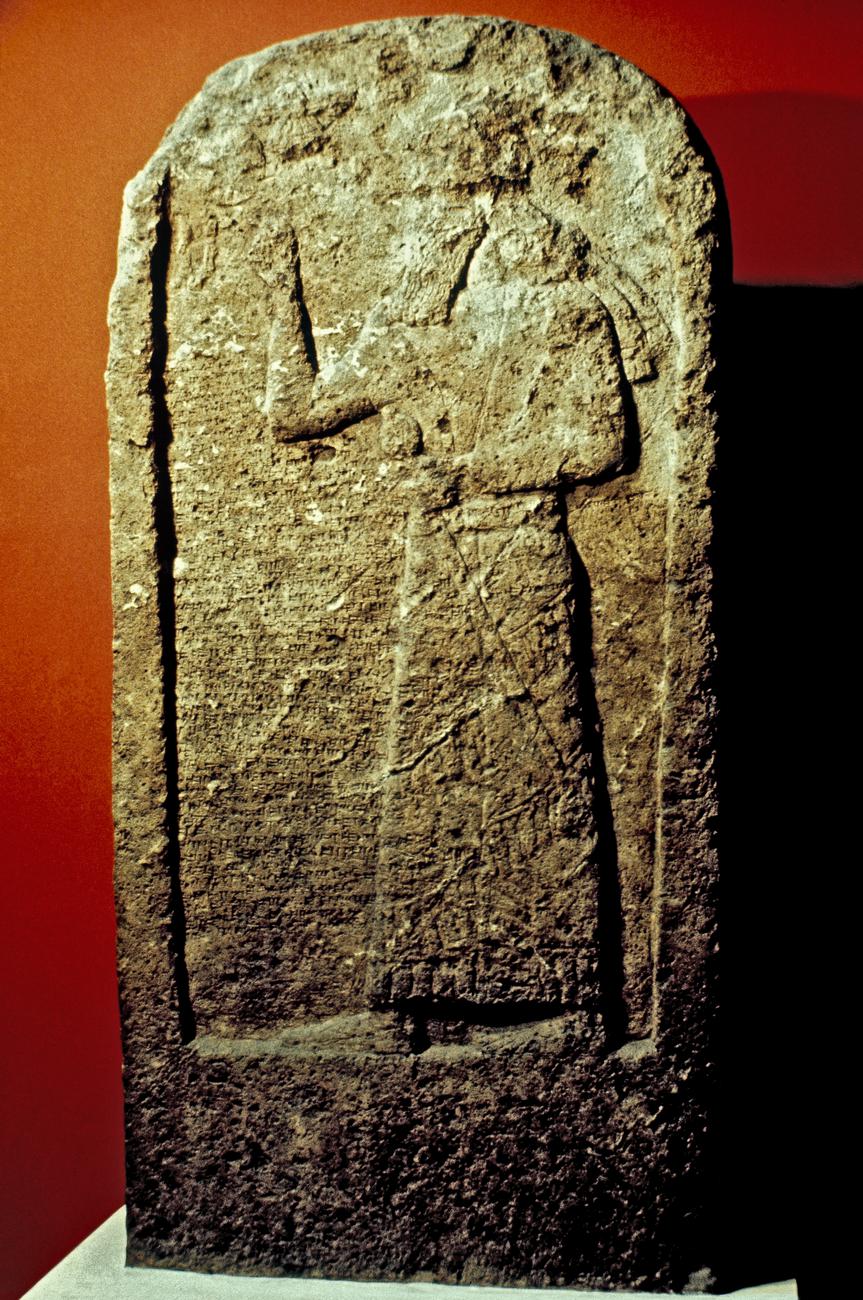
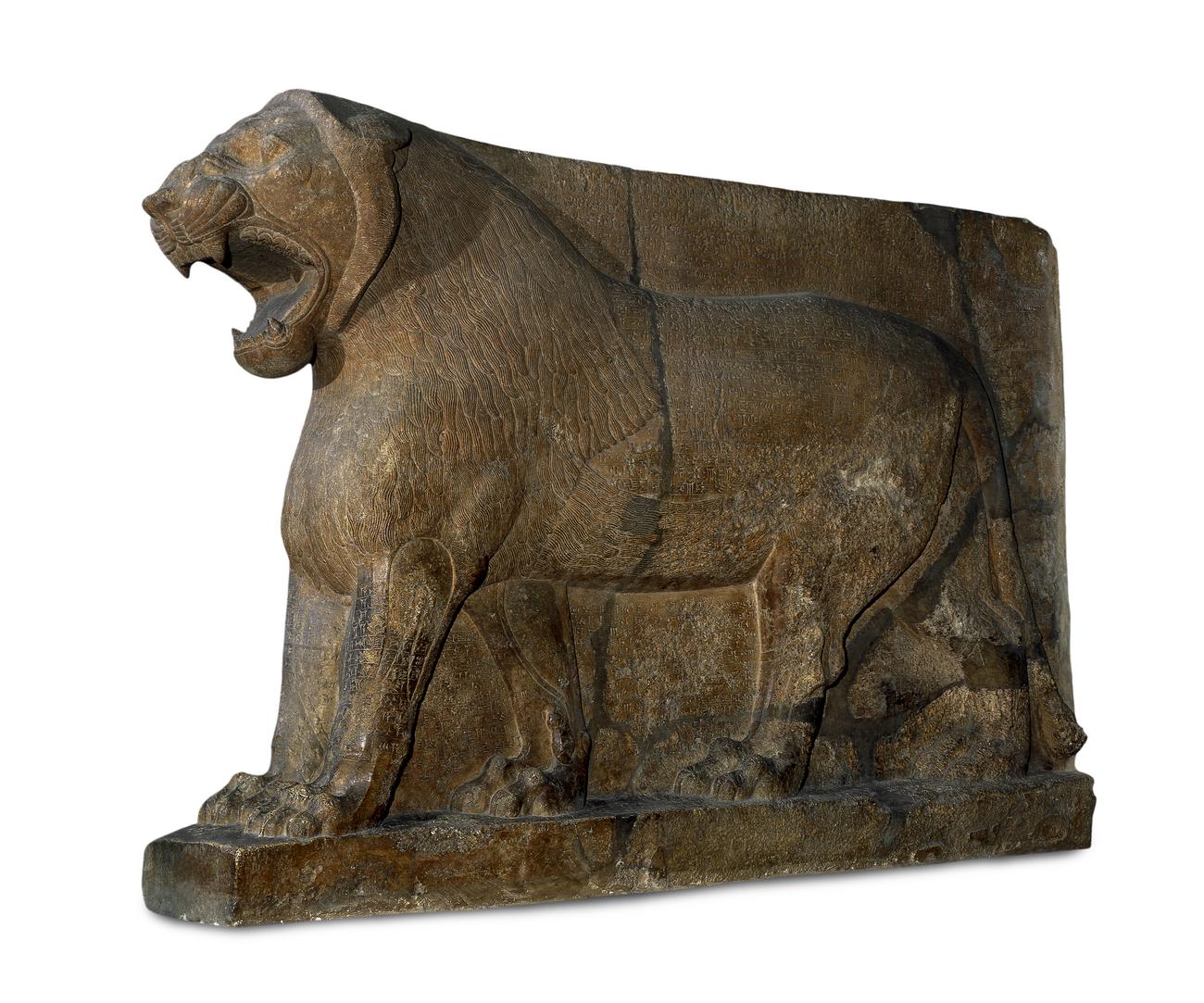
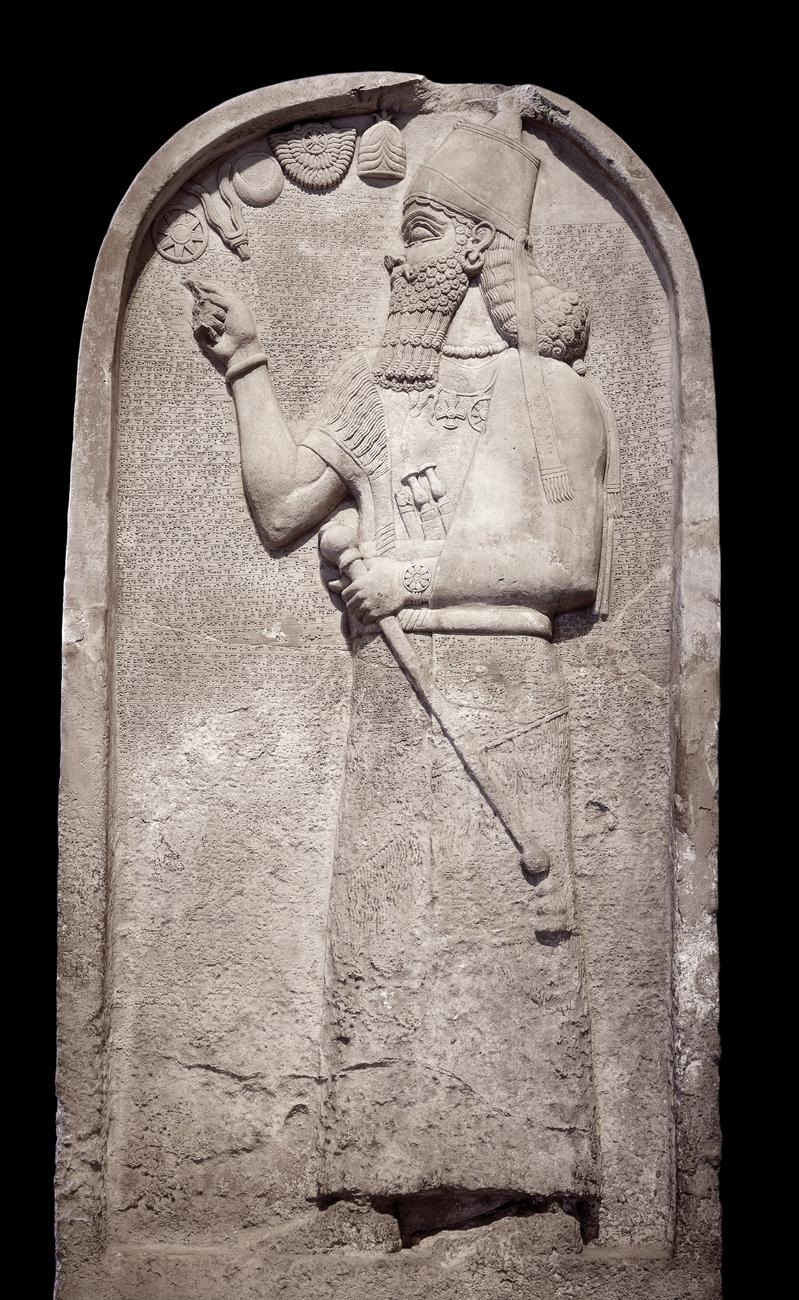
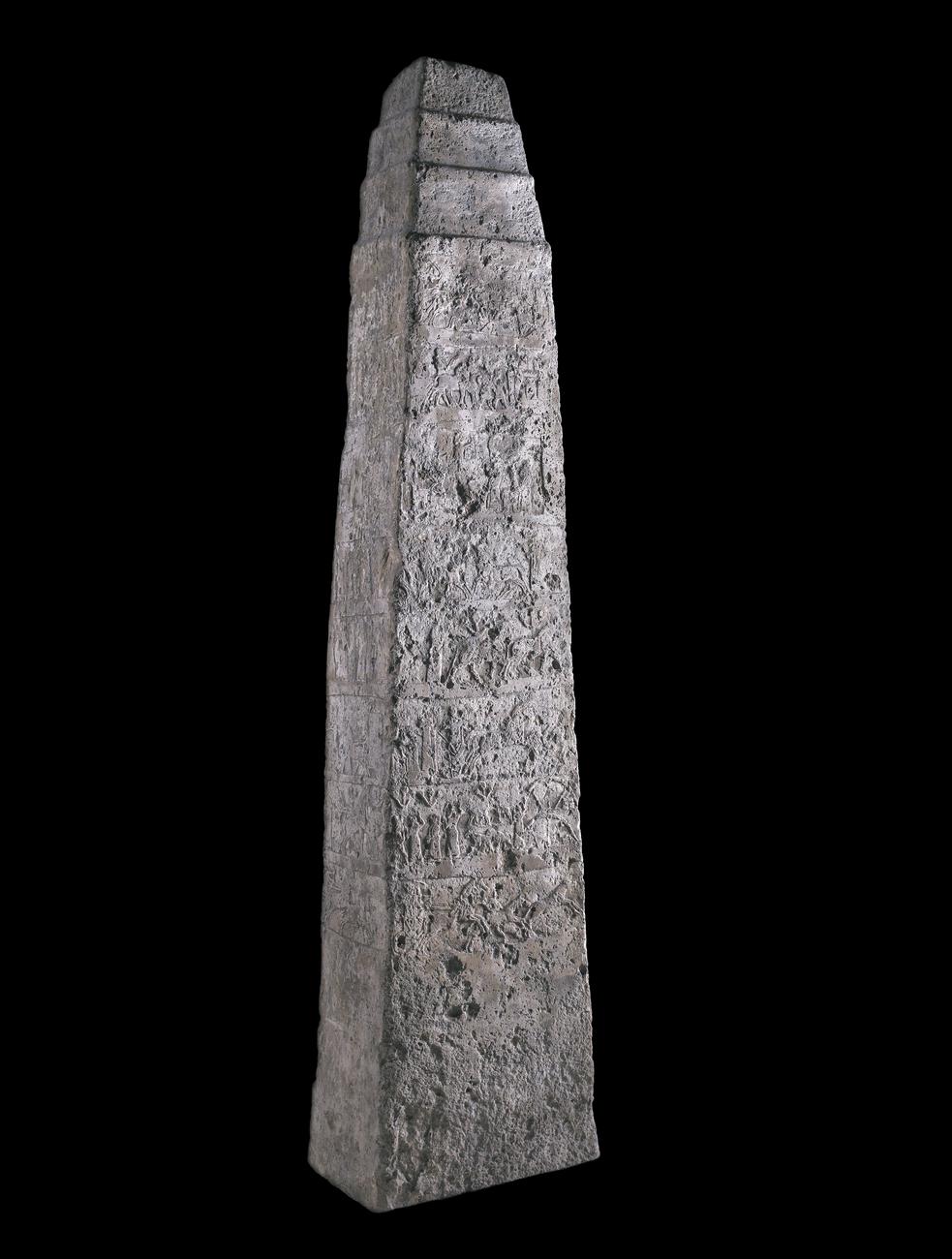
Before you stands "The White Obelisk," a towering limestone monument from the Neo-Assyrian period. Dating to around 1049–1031 BCE, it was discovered at Kouyunjik, the ancient site of Nineveh.
Carved with eight registers in low relief, the obelisk shows scenes of war, hunting, and grand processions—visual records of an Assyrian king, probably Ashurnasirpal I. The stone is slightly tapered and topped with a stepped apex, standing nearly three meters tall.
What makes this piece so striking are the carved images that line its surface, showing armies in battle, tribute-bearing envoys, and the grandeur of royal ceremonies. Two sides bear cuneiform inscriptions detailing military campaigns and tribute from different regions. These are important not just for their content, but also for the insight they give into the king’s rule and the Assyrian view of power.
Despite its weathered condition and missing lower section, the obelisk remains a powerful testament to Assyrian artistry and ambition.
See it in person
The White Obelisk is on display in Room 6a at the British Museum on Great Russell Street, Bloomsbury, London — free to enter. Choose British Museum on audioguide.london and take a photo of it to hear this free audio guide in six languages — no app download needed.
New, in beta. British Museum support has just launched and is still improving: over 1,000 objects so far, with more added all the time.