The Kurkh Stela
- Gallery: Room 6a
- Culture: Neo-Assyrian
- Date: 879BC
- Object type: stela
- Materials: limestone
- Museum number: 118883
- Museum: The British Museum
- Collection record: British Museum website
- Image © The Trustees of the British Museum, shared under a CC BY-NC-SA 4.0 licence.
Listen to the free audio guide
About this object
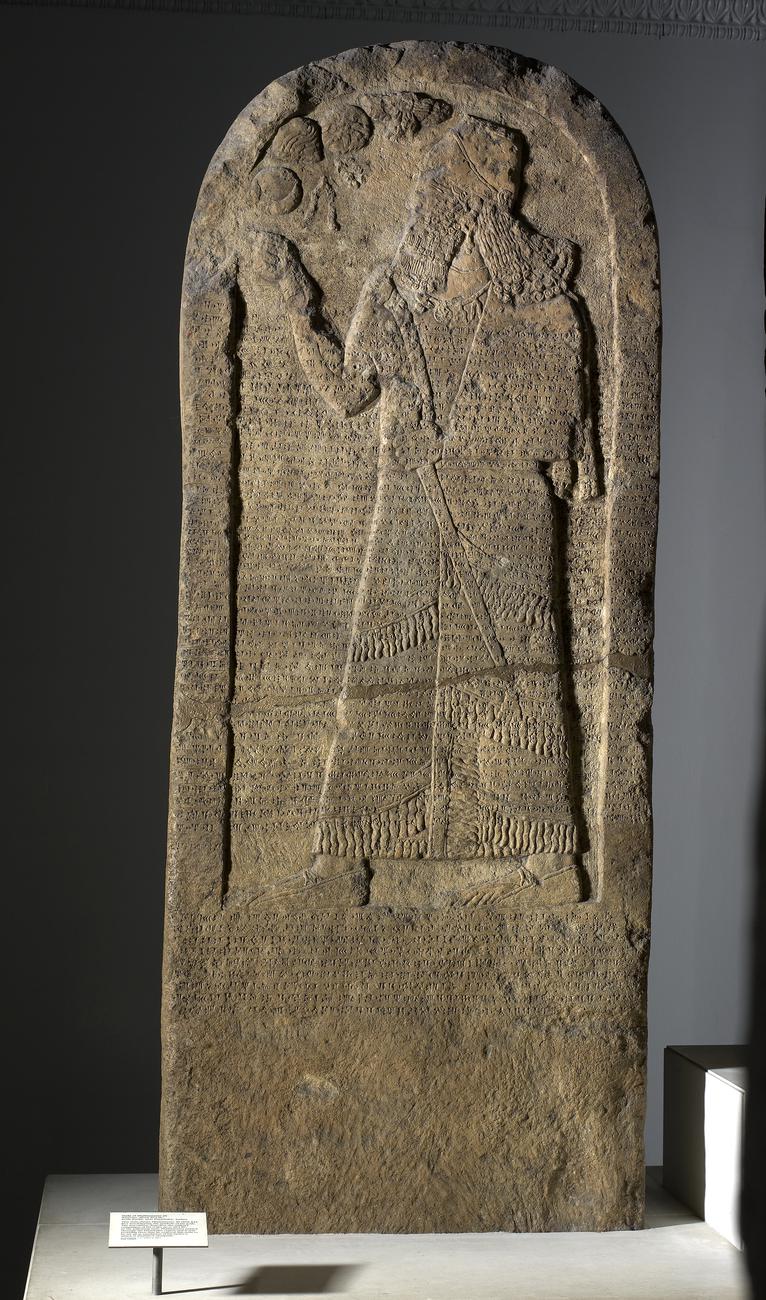
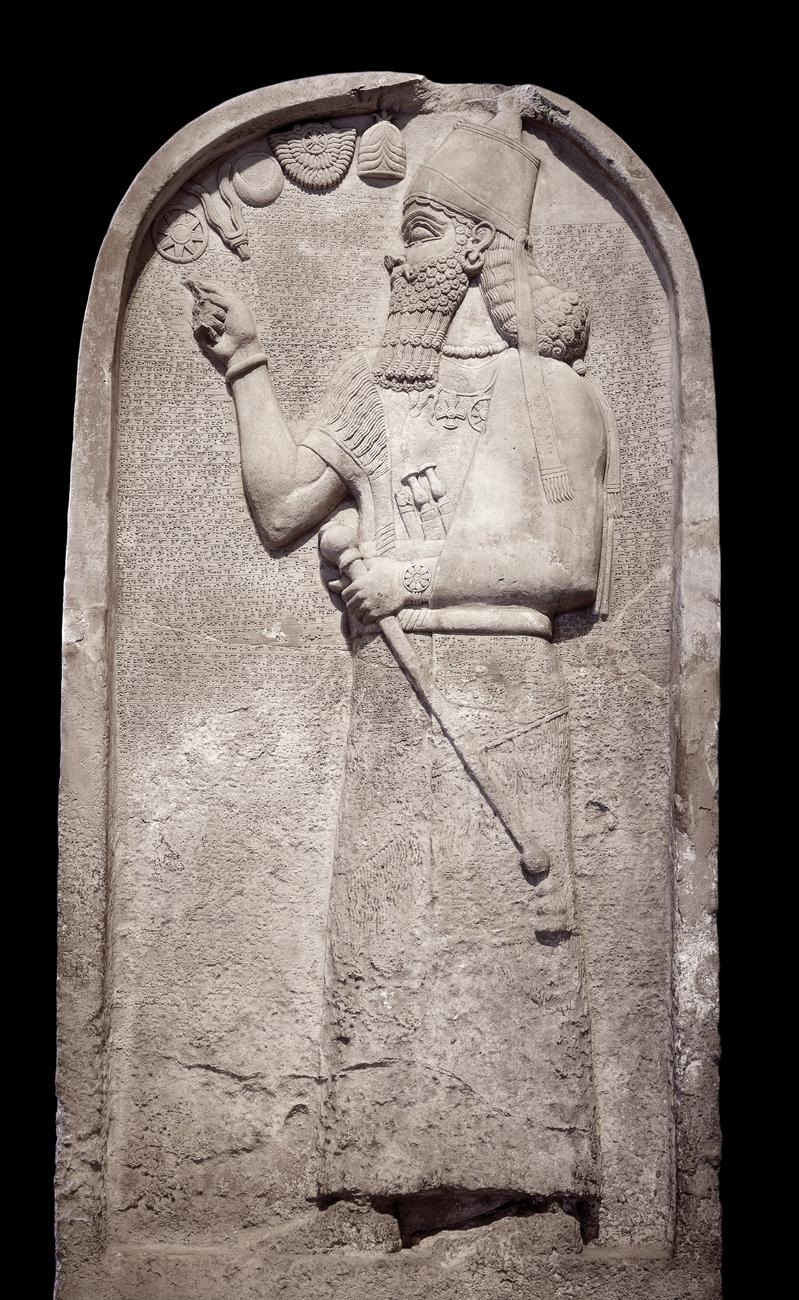
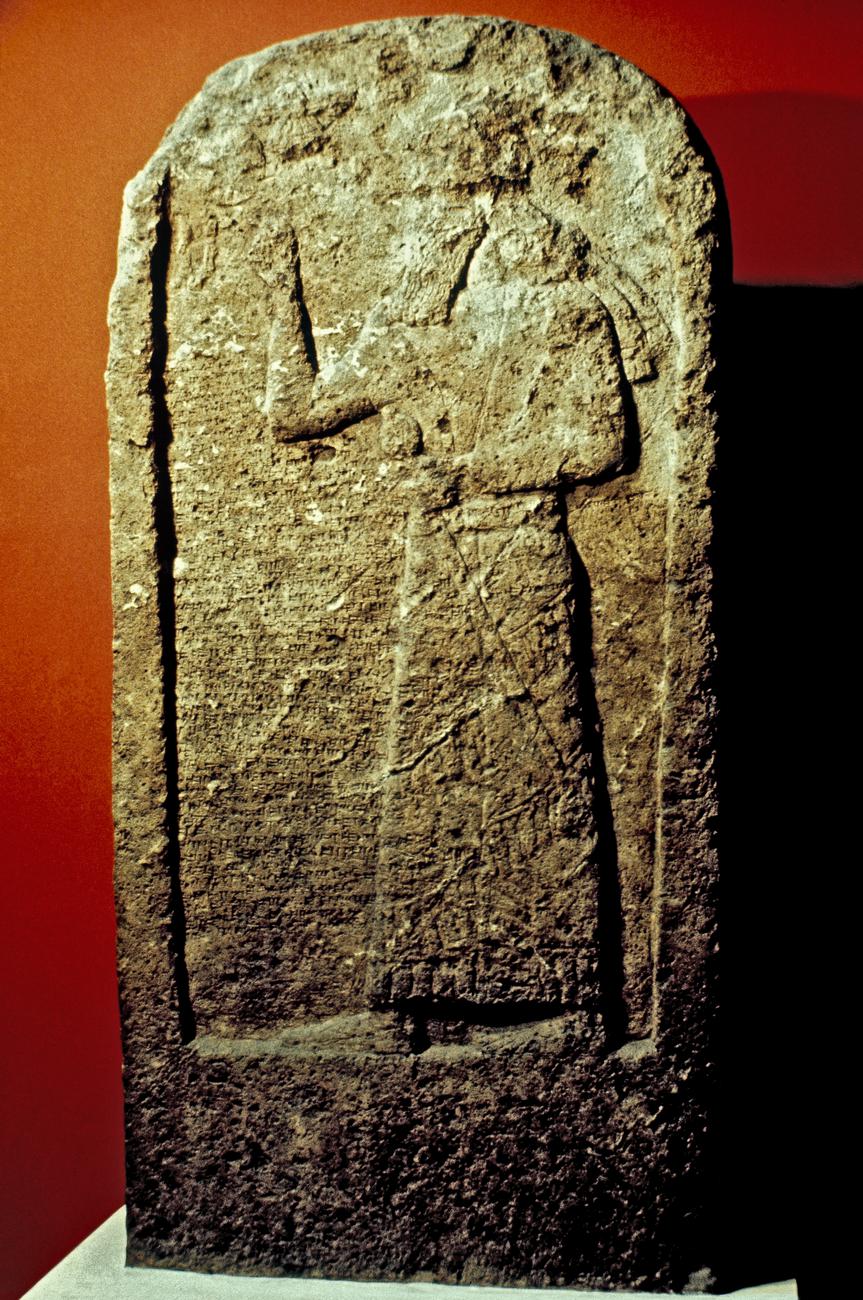
Before you stands "The Kurkh Stela," a limestone monument carved in ancient times. The figure of King Ashurnasirpal II is shown in a moment of devotion, lifting his right hand toward symbols representing the gods. The stela also includes an inscription in cuneiform script, detailing events from a significant military campaign in 879 BC.
This piece comes from the Neo-Assyrian period and was originally set up in one of the major towns under Assyrian control following that campaign. Measuring over a meter tall, the stela’s carved surfaces and detailed script offer a rare look into the religious and historical narratives of the ancient Near East.
The stela was discovered at Kurkh on the Tigris River and brought to England in the mid-19th century. It has traveled far from the land where it was first carved, offering us today a window into the past.
See it in person
The Kurkh Stela is on display in Room 6a at the British Museum on Great Russell Street, Bloomsbury, London — free to enter. Choose British Museum on audioguide.london and take a photo of it to hear this free audio guide in six languages — no app download needed.
New, in beta. British Museum support has just launched and is still improving: over 1,000 objects so far, with more added all the time.