Papyrus Ramesseum C
- Gallery: Room 65
- Culture: Middle Kingdom
- Object type: papyrus
- Materials: papyrus
- Museum number: EA10752,3
- Museum: The British Museum
- Collection record: British Museum website
- Image © The Trustees of the British Museum, shared under a CC BY-NC-SA 4.0 licence.
Listen to the free audio guide
About this object
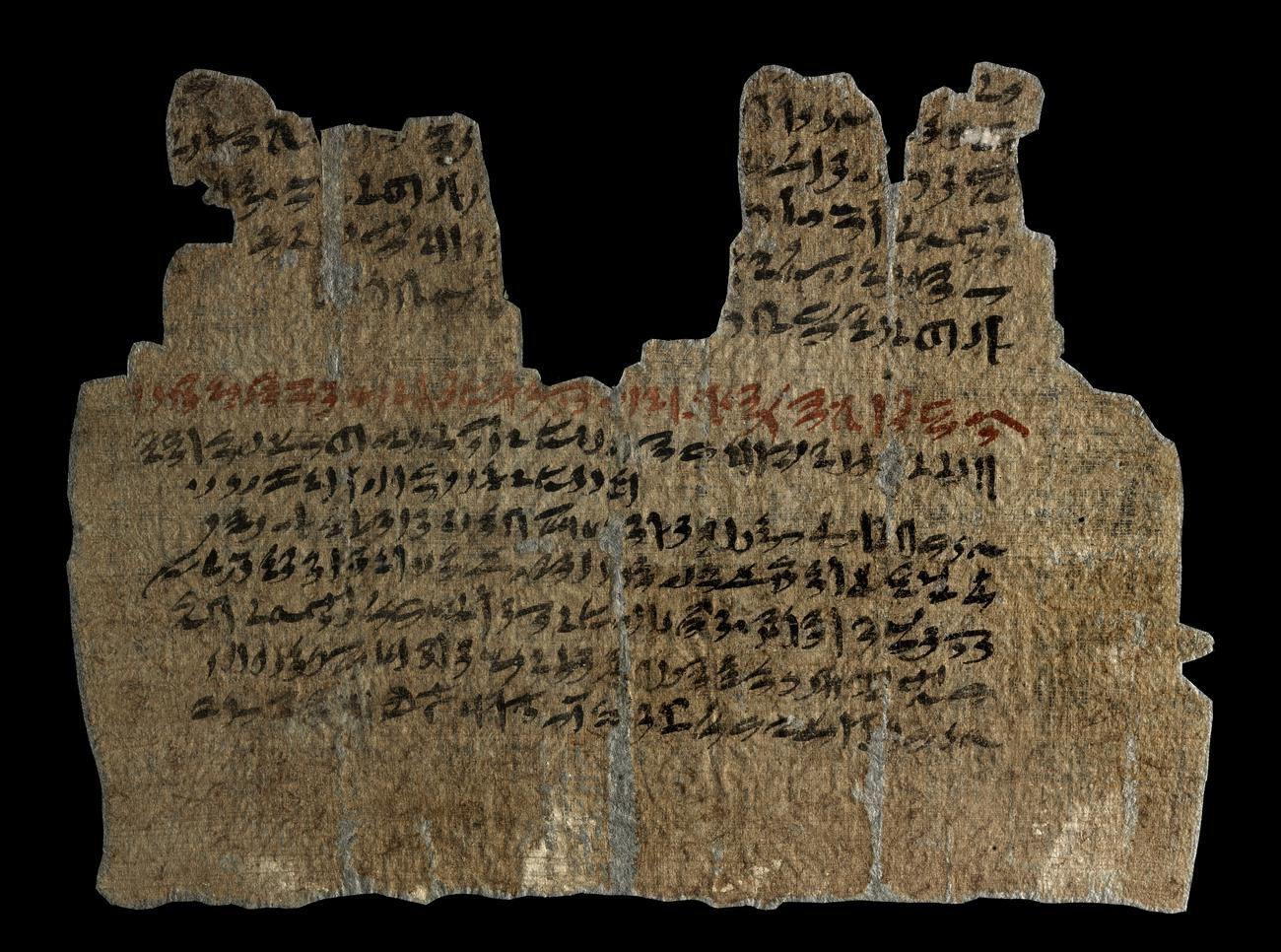
This is Papyrus Ramesseum C, an artifact from ancient Egypt’s Middle Kingdom period. Before you is a fragment of a larger roll of papyrus, once used as a written record. The surface is covered in hieratic script, the administrative and religious writing system of the time.
Look closely—you’ll see it has writing on both sides, called the recto and verso. The recto contains official military dispatches from Nubian fortresses, possibly concerning border security. The verso contains magical texts, including an incantation meant to defend against ghosts or dangerous spirits.
The papyrus is very fragile. It was discovered in a tomb near the Ramesseum in Thebes, likely belonging to a lector priest, a high-ranking religious official. The text is in carefully arranged horizontal lines and provides a rare insight into both governance and spiritual practice of the era.
See it in person
Papyrus Ramesseum C is on display in Room 65 at the British Museum on Great Russell Street, Bloomsbury, London — free to enter. Choose British Museum on audioguide.london and take a photo of it to hear this free audio guide in six languages — no app download needed.
New, in beta. British Museum support has just launched and is still improving: over 1,000 objects so far, with more added all the time.