The Prudhoe Lions: statue
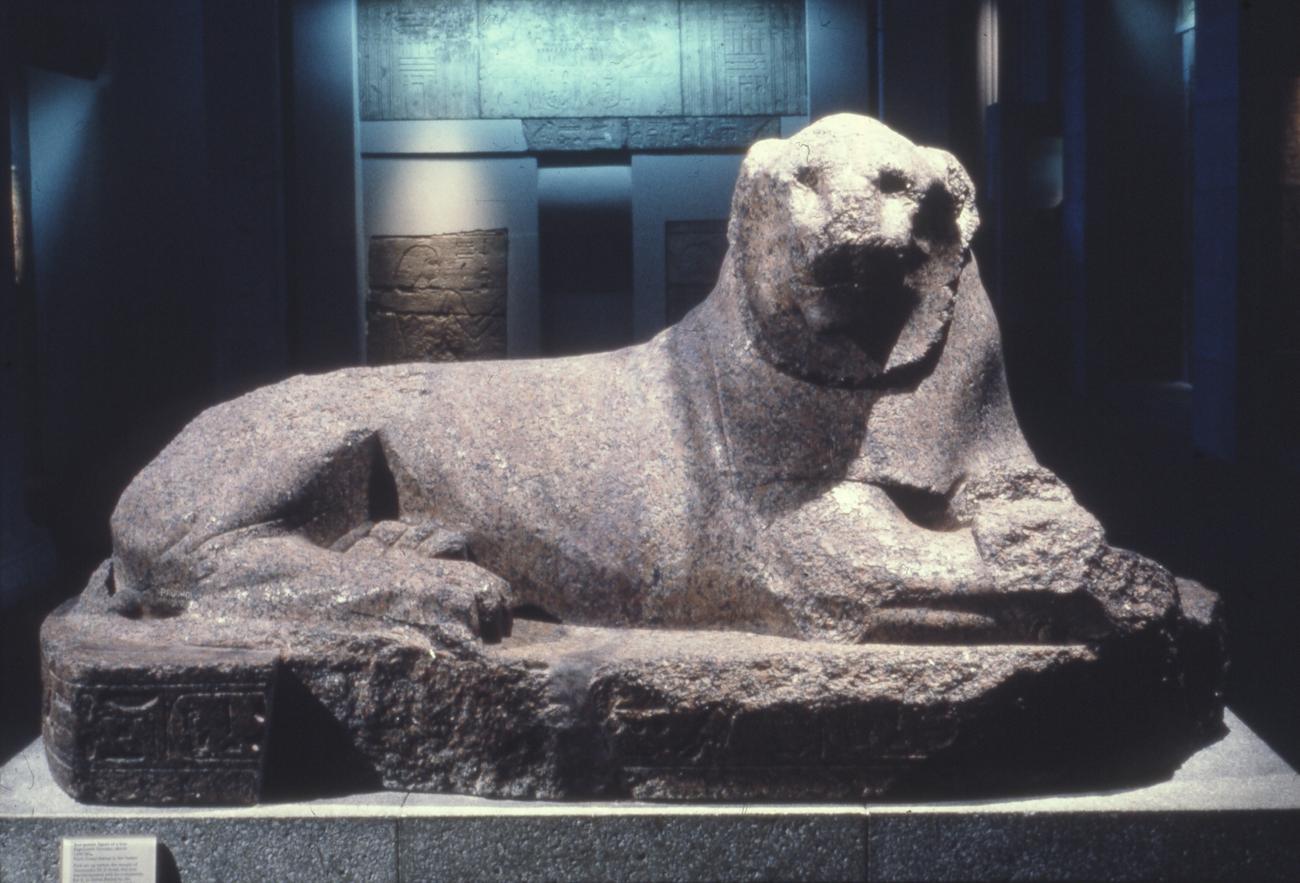
- Gallery: Room 4
- Culture: 18th Dynasty; Meroitic
- Object type: statue
- Materials: red granite
- Museum number: EA1
- Museum: The British Museum
- Collection record: British Museum website
- Image © The Trustees of the British Museum, shared under a CC BY-NC-SA 4.0 licence.
Listen to the free audio guide
About this object
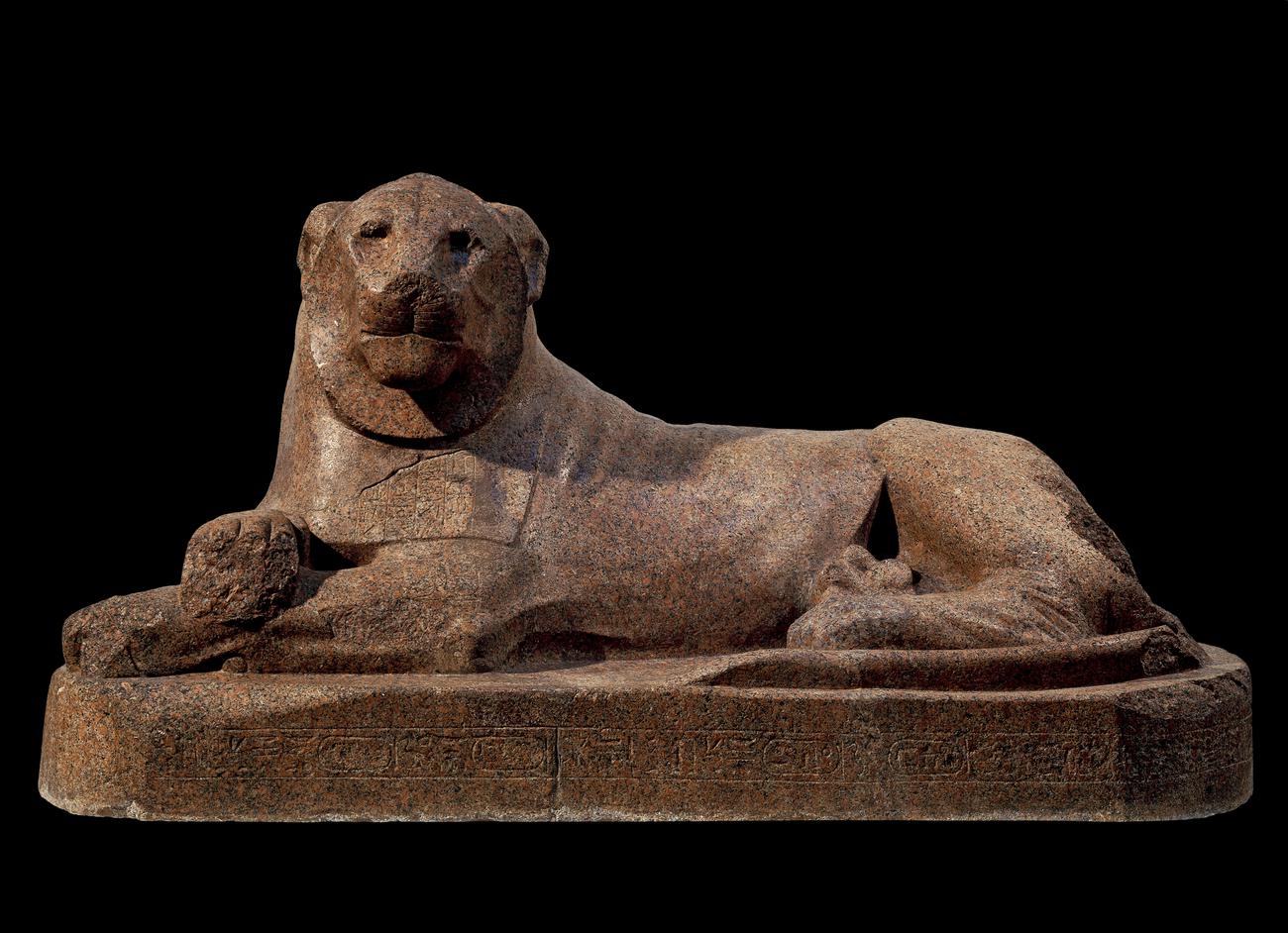
Before you is "The Prudhoe Lions," a powerful red granite statue from the 18th Dynasty. Carved in the form of a reclining lion, it radiates strength and presence. You’ll notice inscriptions incised into the lion’s chest and pedestal, marking it as a dedicatory piece for Tutankhamun. The text mentions a name—Amanislo—carved with care.
The statue was discovered in Nubia, at a site known as Jebel Barkal, a historically important region near ancient Egypt. Made from sturdy red granite, it was skillfully incised with hieroglyphs, a common technique for marking royal dedications. It likely stood in a temple or sacred space as a tribute.
This magnificent work was donated to the museum in 1835 by Algernon Percy, 4th Duke of Northumberland. While its origins lie in ancient times, its story continues here, inviting us to reflect on art, devotion, and history.
See it in person
The Prudhoe Lions: statue is on display in Room 4 at the British Museum on Great Russell Street, Bloomsbury, London — free to enter. Choose British Museum on audioguide.london and take a photo of it to hear this free audio guide in six languages — no app download needed.
New, in beta. British Museum support has just launched and is still improving: over 1,000 objects so far, with more added all the time.