The East India House Inscription
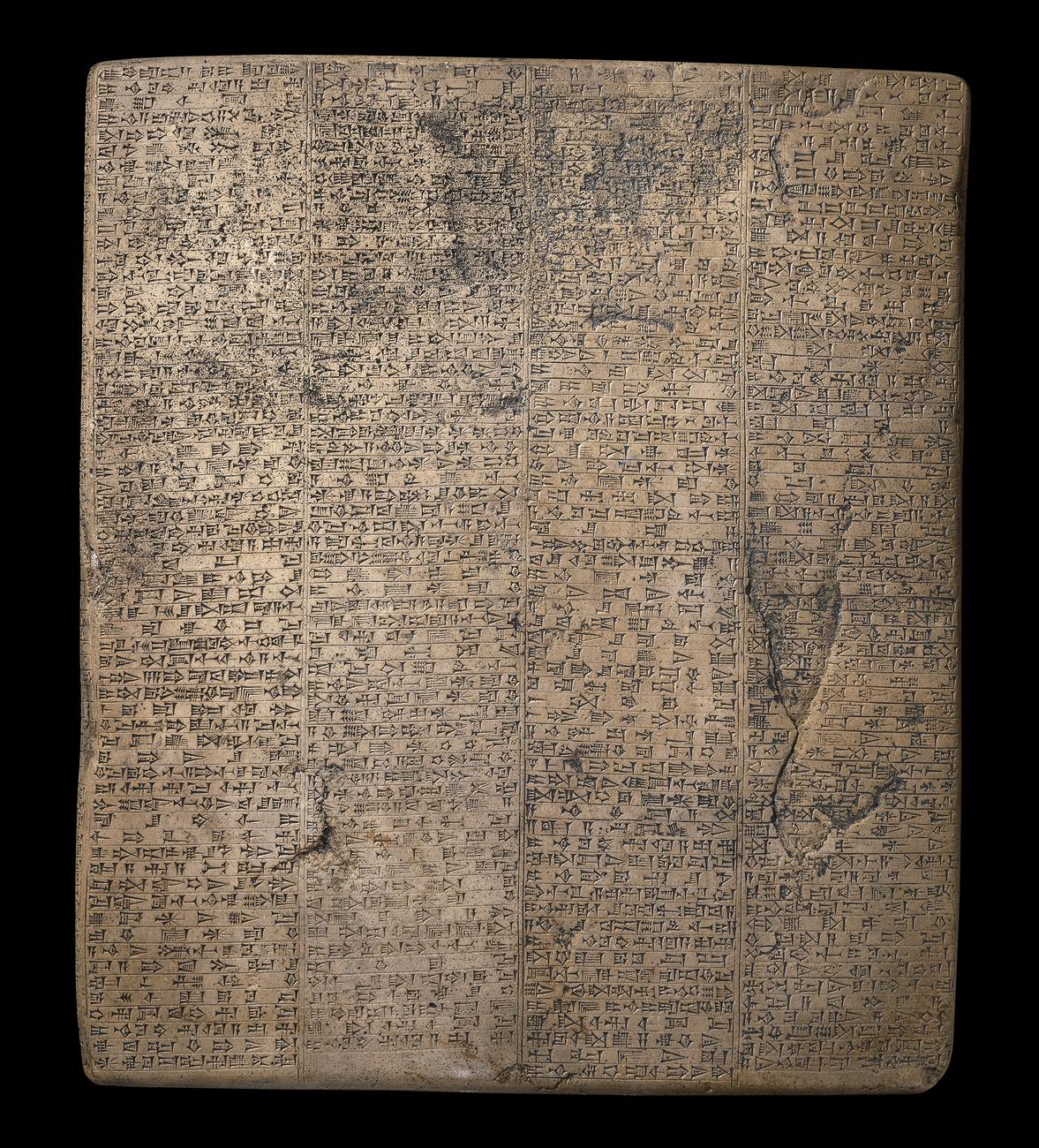
- Gallery: Room 55
- Culture: Neo-Babylonian Dynasty
- Date: 604BC-562BC
- Object type: tablet
- Materials: stone
- Museum number: 129397
- Museum: The British Museum
- Collection record: British Museum website
- Image © The Trustees of the British Museum, shared under a CC BY-NC-SA 4.0 licence.
Listen to the free audio guide
About this object
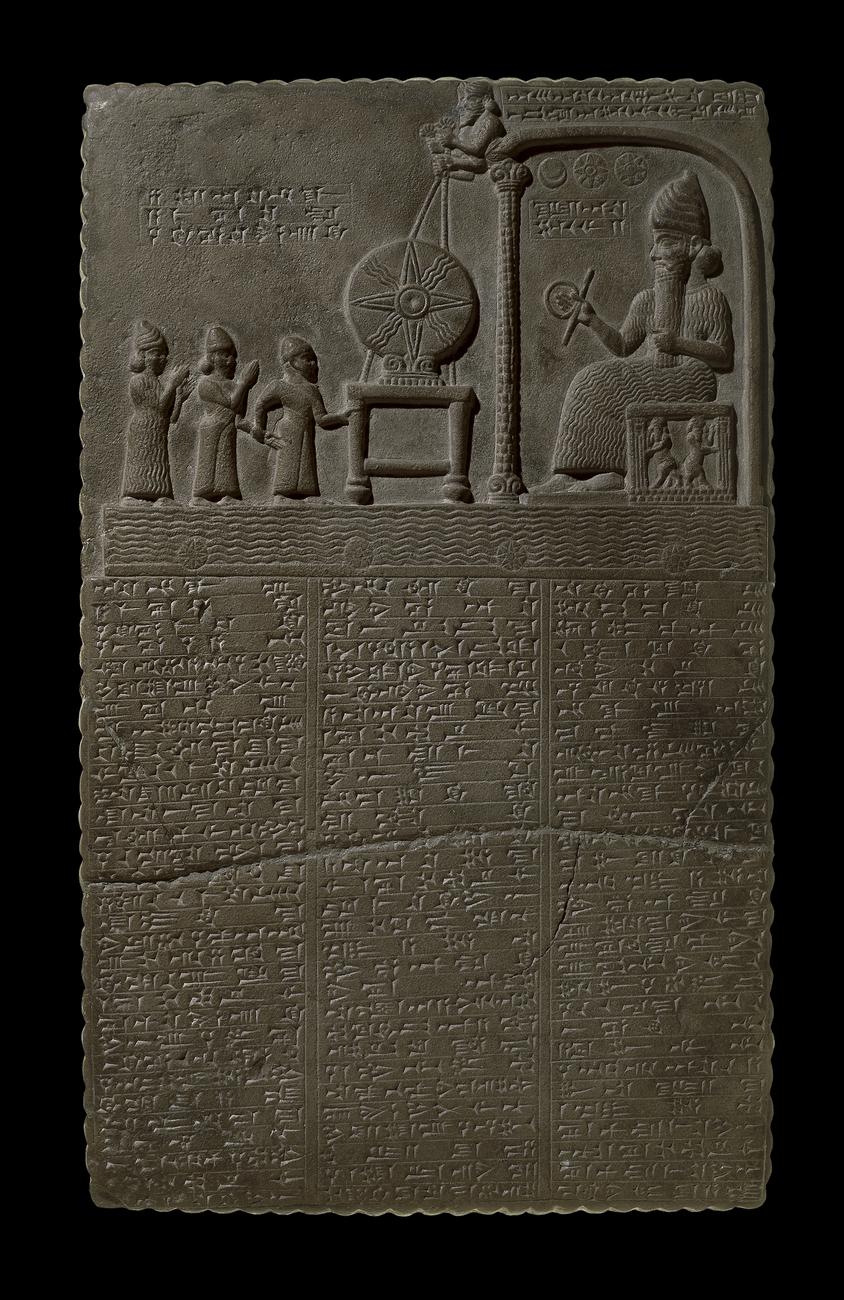
Before you is "The East India House Inscription," a stone tablet engraved with cuneiform writing. This Neo-Babylonian artwork dates to between 604 and 562 BCE and was discovered in Babylon, now historic Iraq. The inscription is dense with detailed text, its reverse containing up to 72 lines.
The text reflects the devotion and ambitions of King Nebuchadnezzar II. He appeals to Marduk, the chief deity of Babylon, celebrating his many building projects—including grand temples and city walls. This tablet offers a rare glimpse into the spiritual and civic life of ancient Babylon, inscribed with pride in the king’s role as both a ruler and a servant of the gods.
The tablet entered Britain in the early 1800s and later became part of British Museum collections through a donation made by the India Office in 1938.
See it in person
The East India House Inscription is on display in Room 55 at the British Museum on Great Russell Street, Bloomsbury, London — free to enter. Choose British Museum on audioguide.london and take a photo of it to hear this free audio guide in six languages — no app download needed.
New, in beta. British Museum support has just launched and is still improving: over 1,000 objects so far, with more added all the time.