Te Rerioa (The Dream)
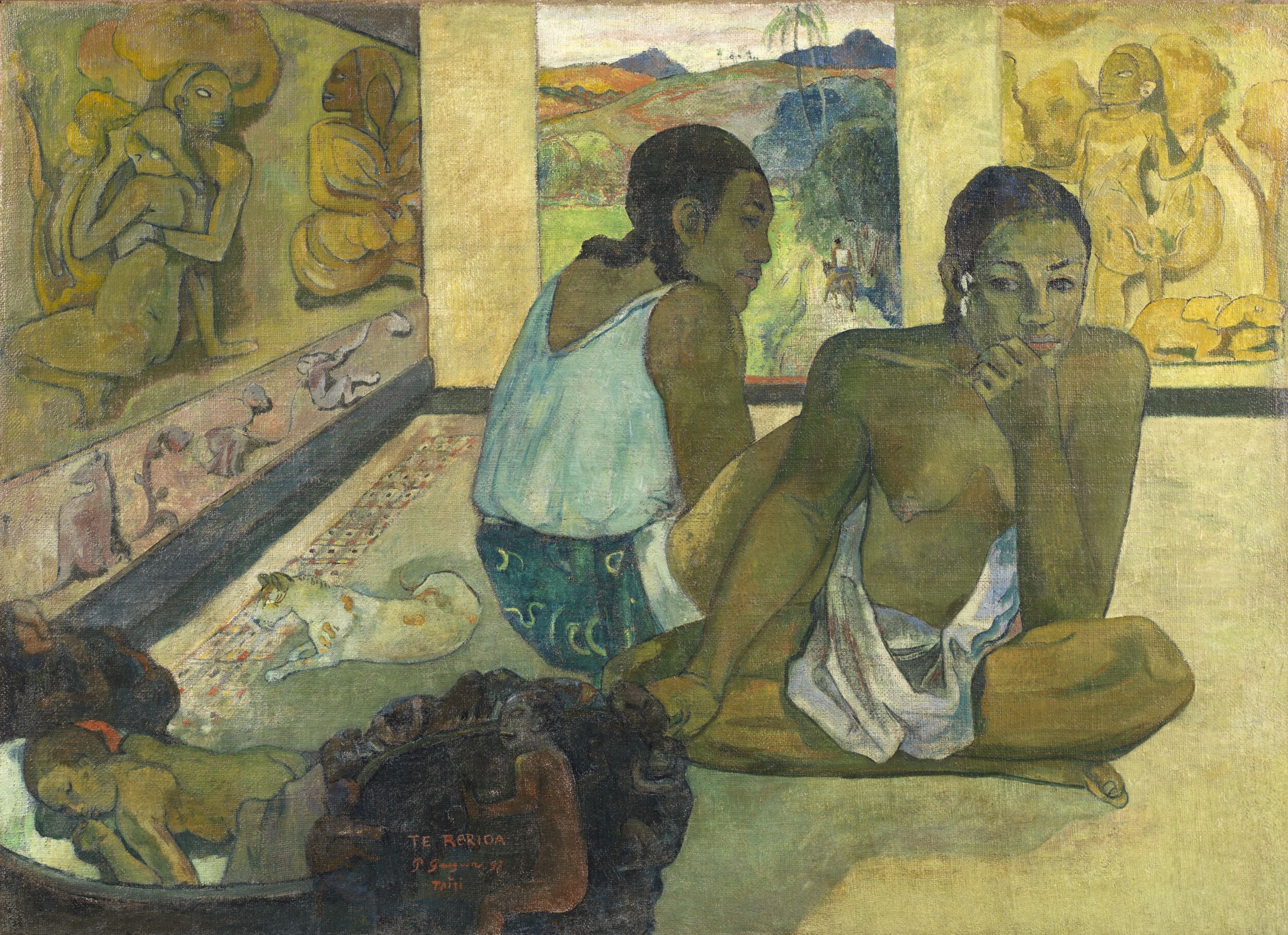
- Artist: Paul Gauguin
- Date: 1897
- Medium: oil on canvas
- Museum: The Courtauld Gallery
- Collection record: The Courtauld Gallery website
Listen to the free audio guide
About this artwork
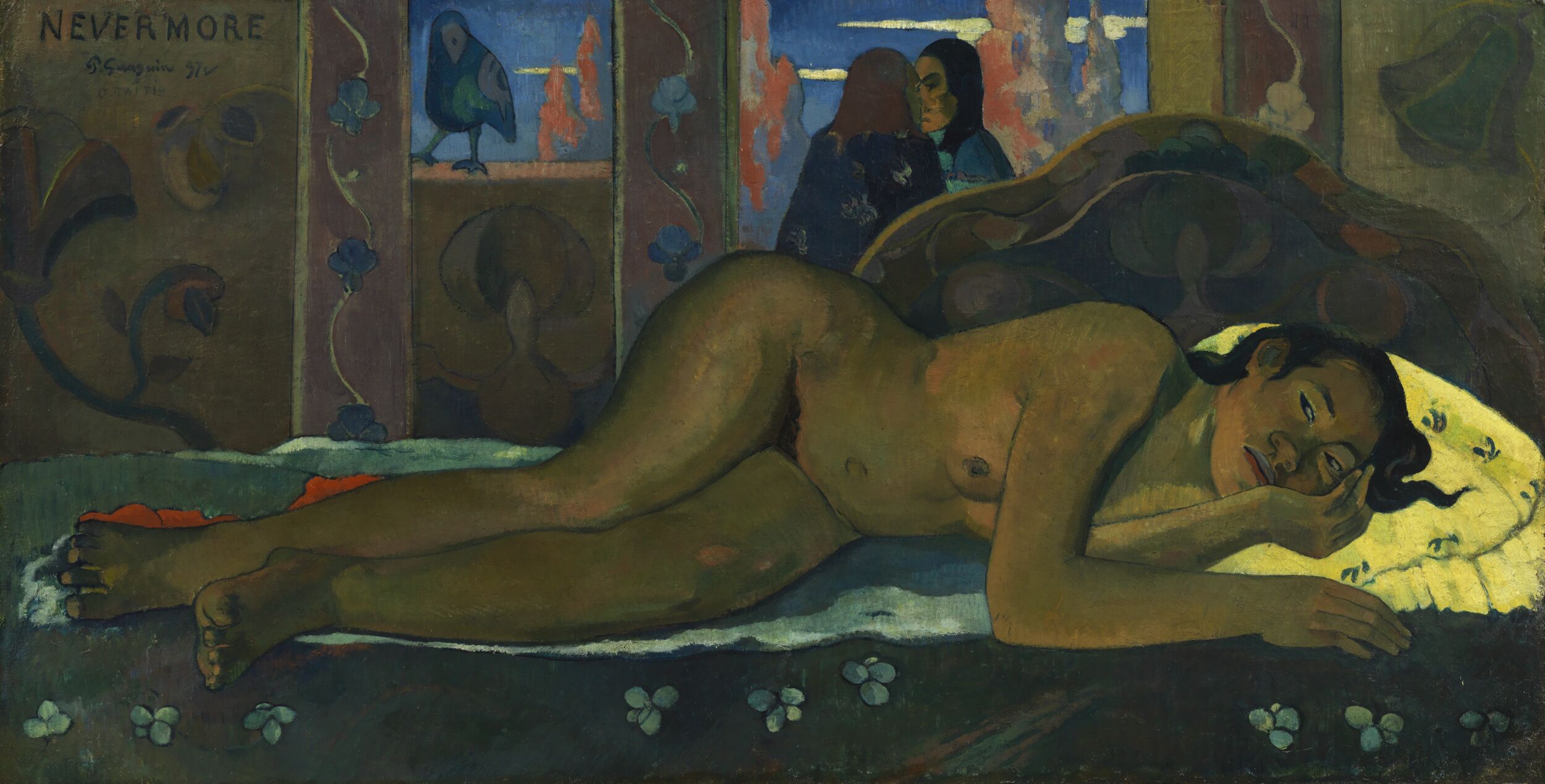
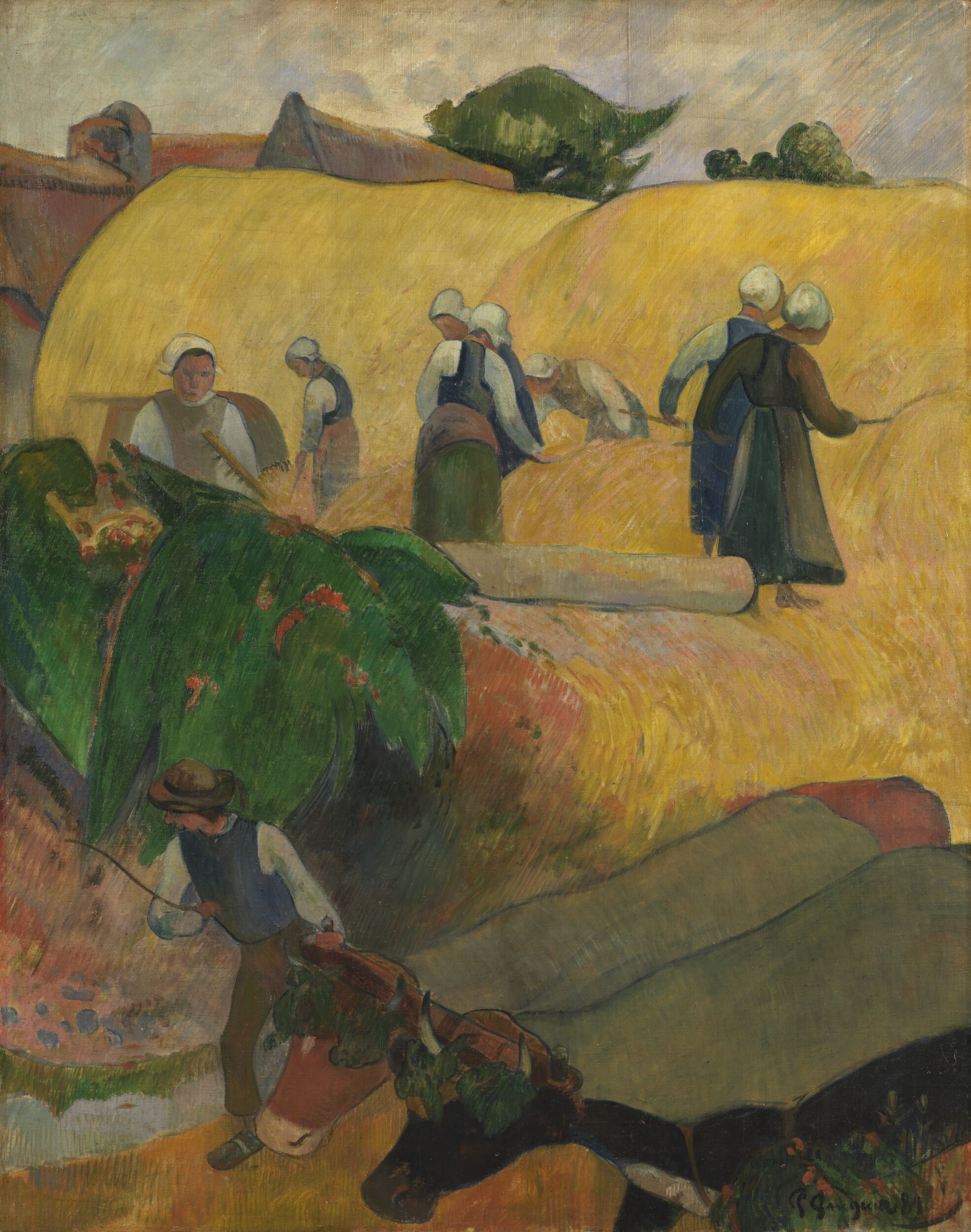
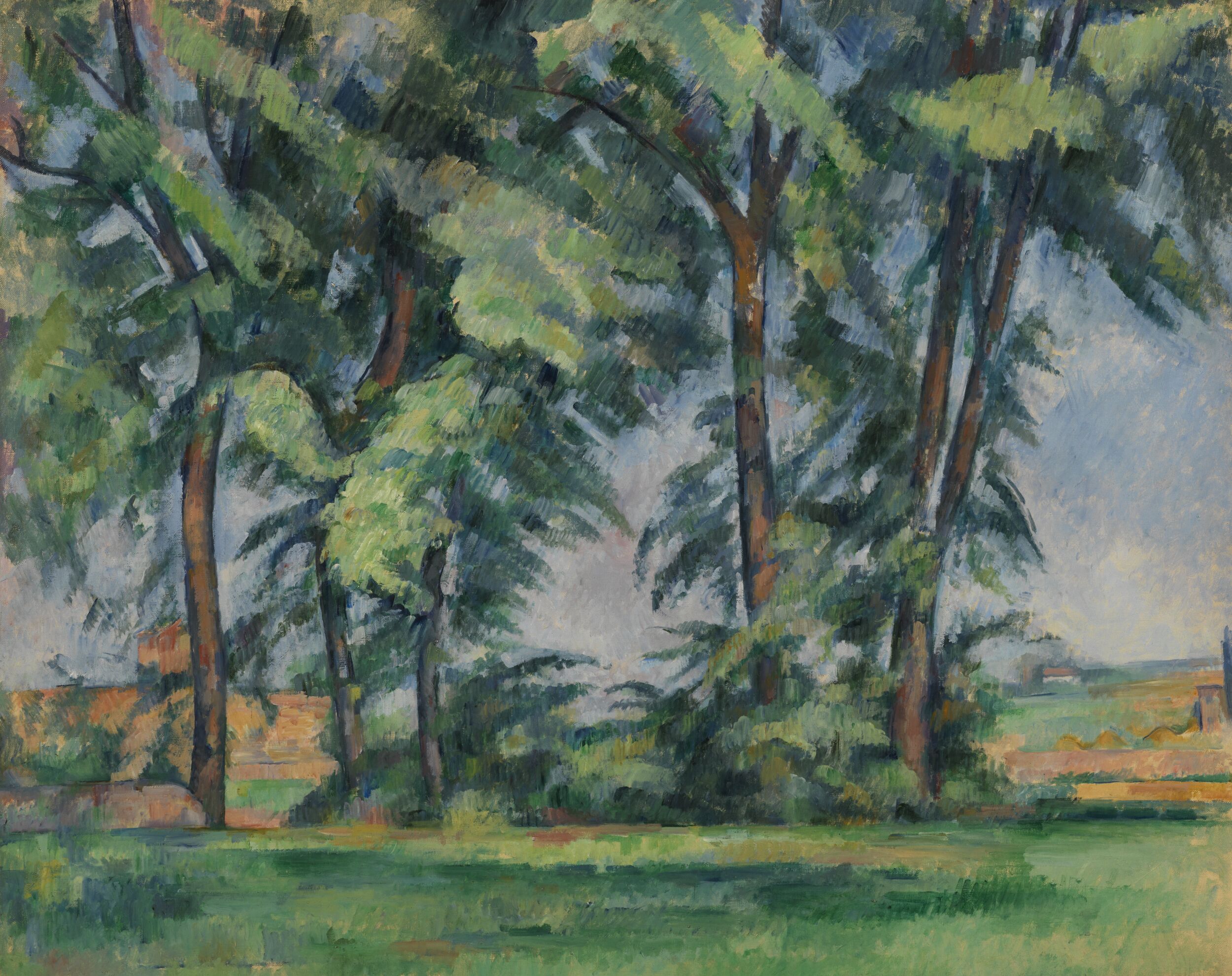
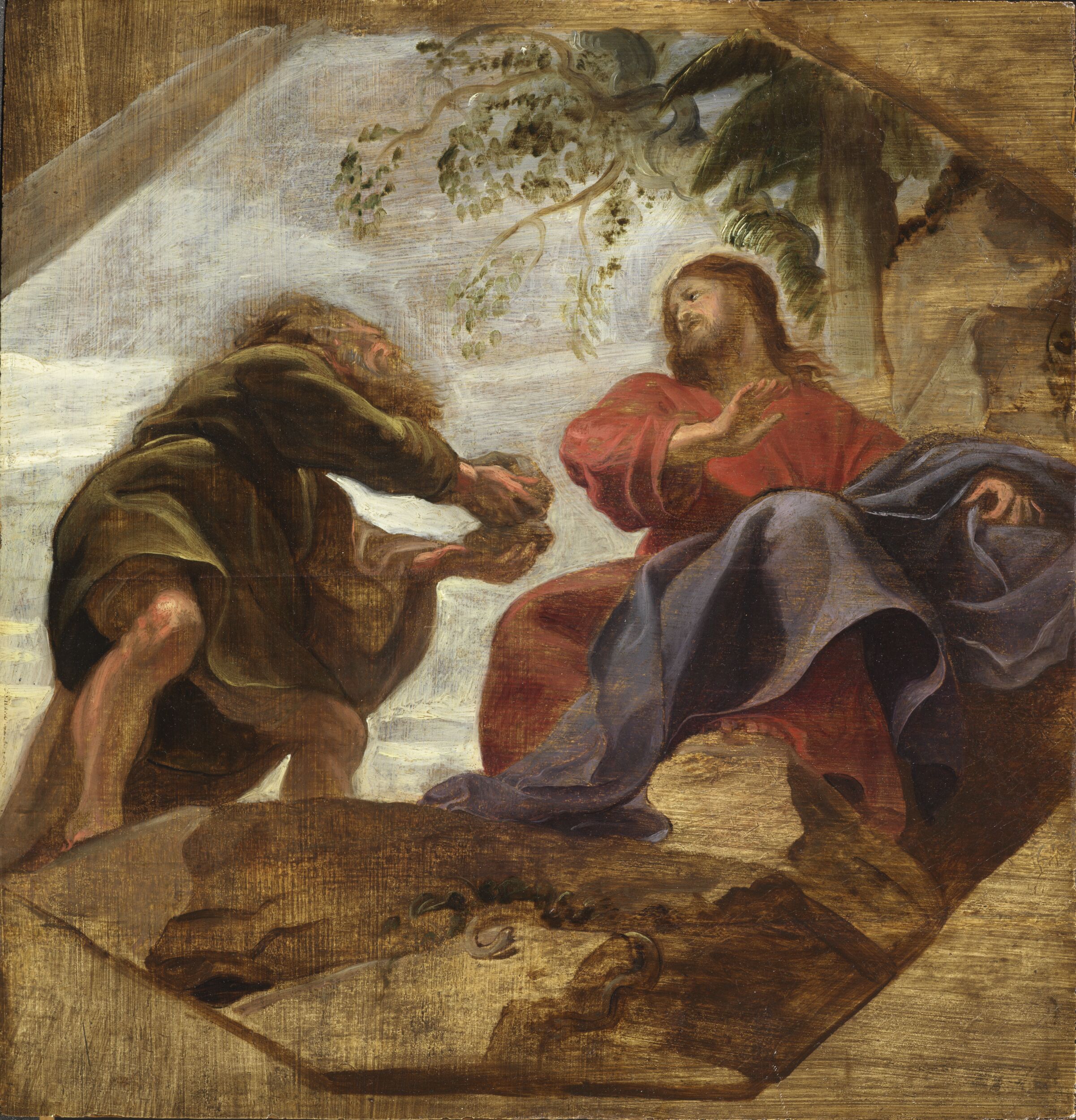
This is the “Te Rerioa (The Dream)” by Paul Gauguin, painted in 1897 with oil on canvas. A few years after Gauguin settled in Tahiti, he created this striking scene that echoes the exotic fantasies Europeans had of the South Pacific. The canvas shows two women in a richly carved room, watching a sleeping child. Their faces are turned away from one another, giving the picture a silent, almost haunting atmosphere. Gauguin himself wrote that “everything is dream in this canvas,” suggesting that the child, the mother, even the distant horseman on the road are all part of a larger, unclear vision. He intentionally blurred the line between reality and imagination, inviting viewers to ponder whether the scene is a literal depiction or a symbolic nightmare. The composition’s mysterious detachment challenges the viewer to look beyond surface beauty and consider the deeper layers of cultural representation and artistic intent.
See it in person
Te Rerioa (The Dream) hangs in The Courtauld Gallery at Somerset House, London. Point your phone at any artwork there and audioguide.london plays a free audio guide in six languages — no app download needed.