Temptation of Christ
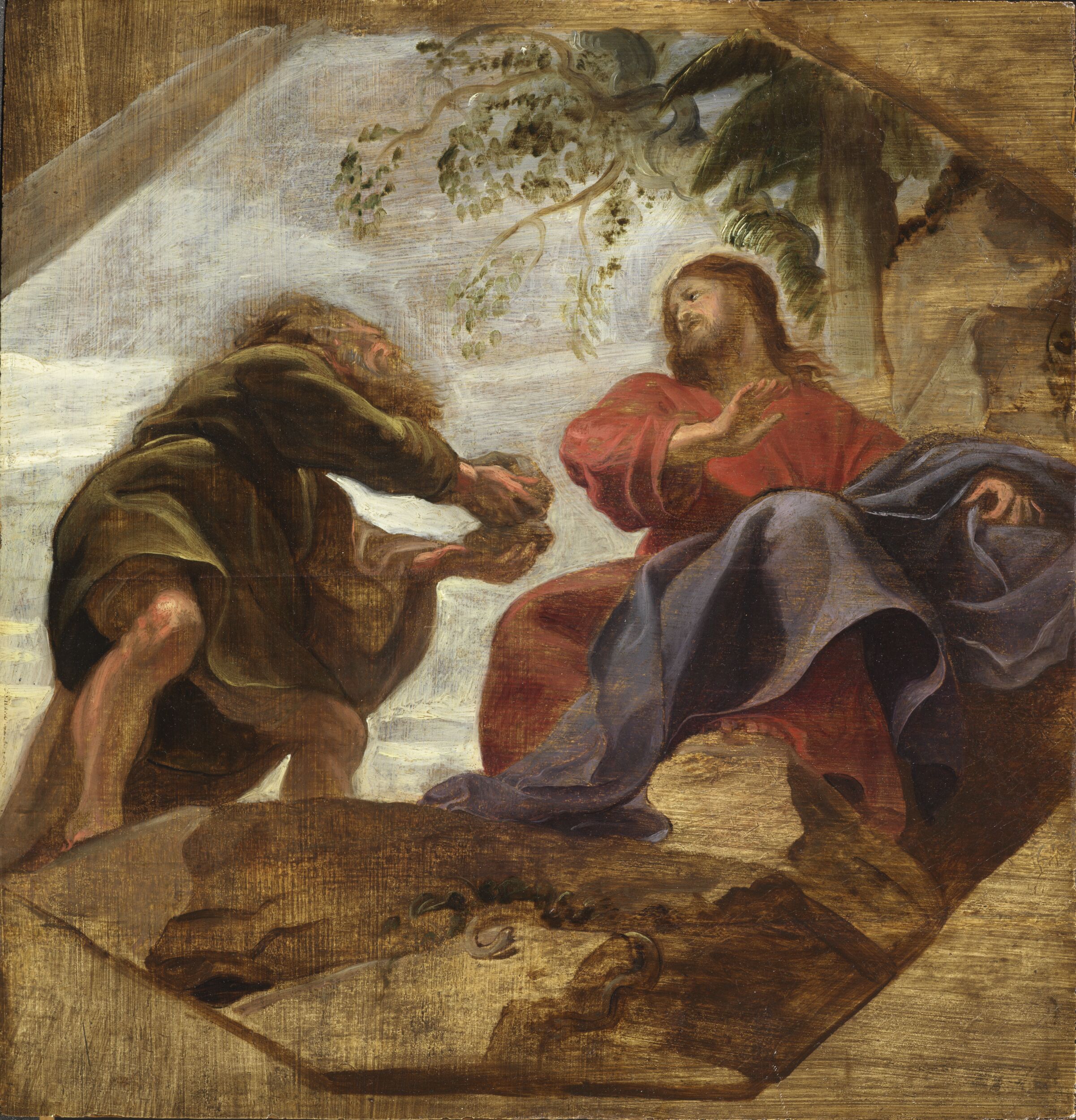
- Artist: Peter Paul Rubens
- Date: 1620
- Medium: oil on panel
- Museum: The Courtauld Gallery
- Collection record: The Courtauld Gallery website
Listen to the free audio guide
About this artwork
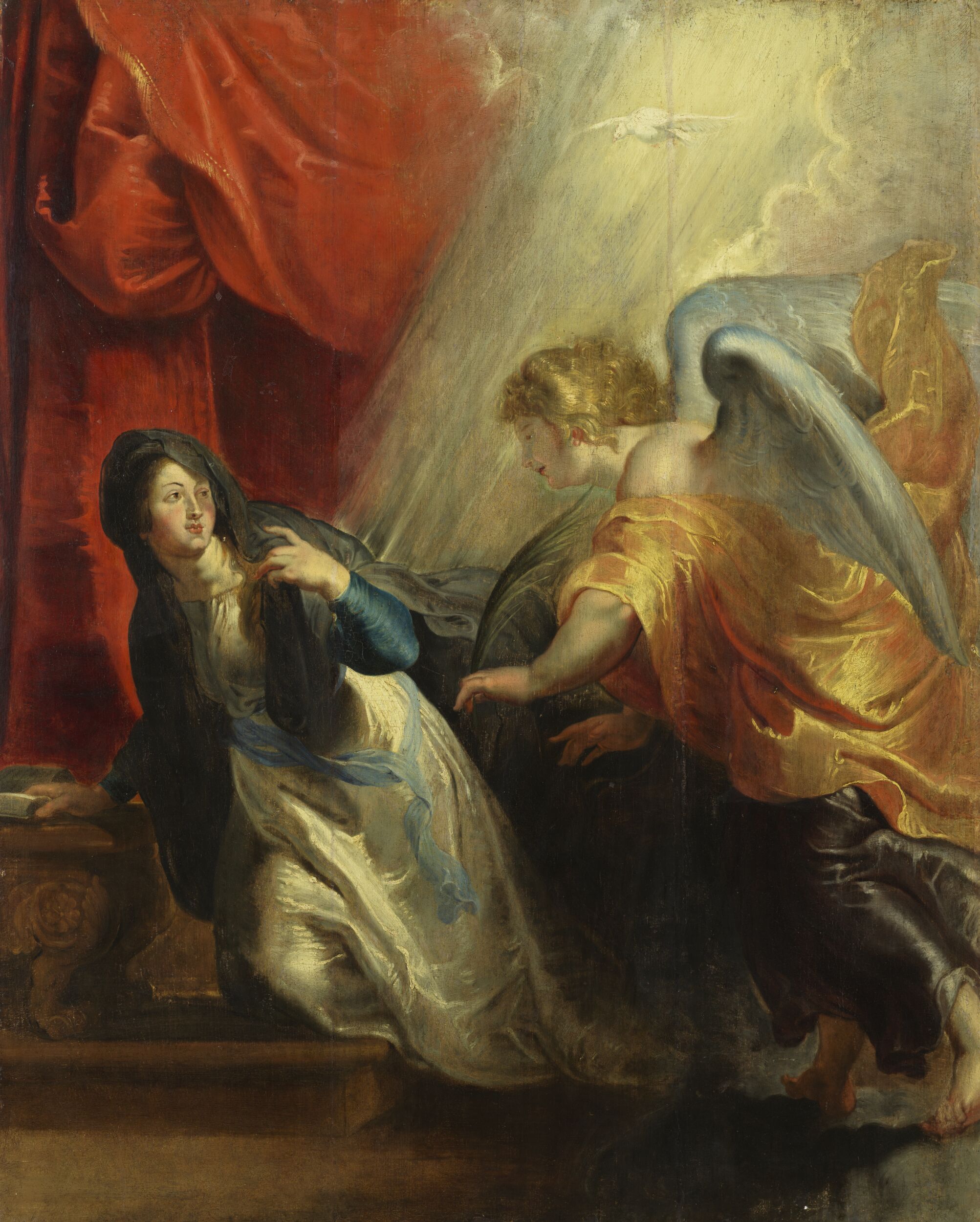
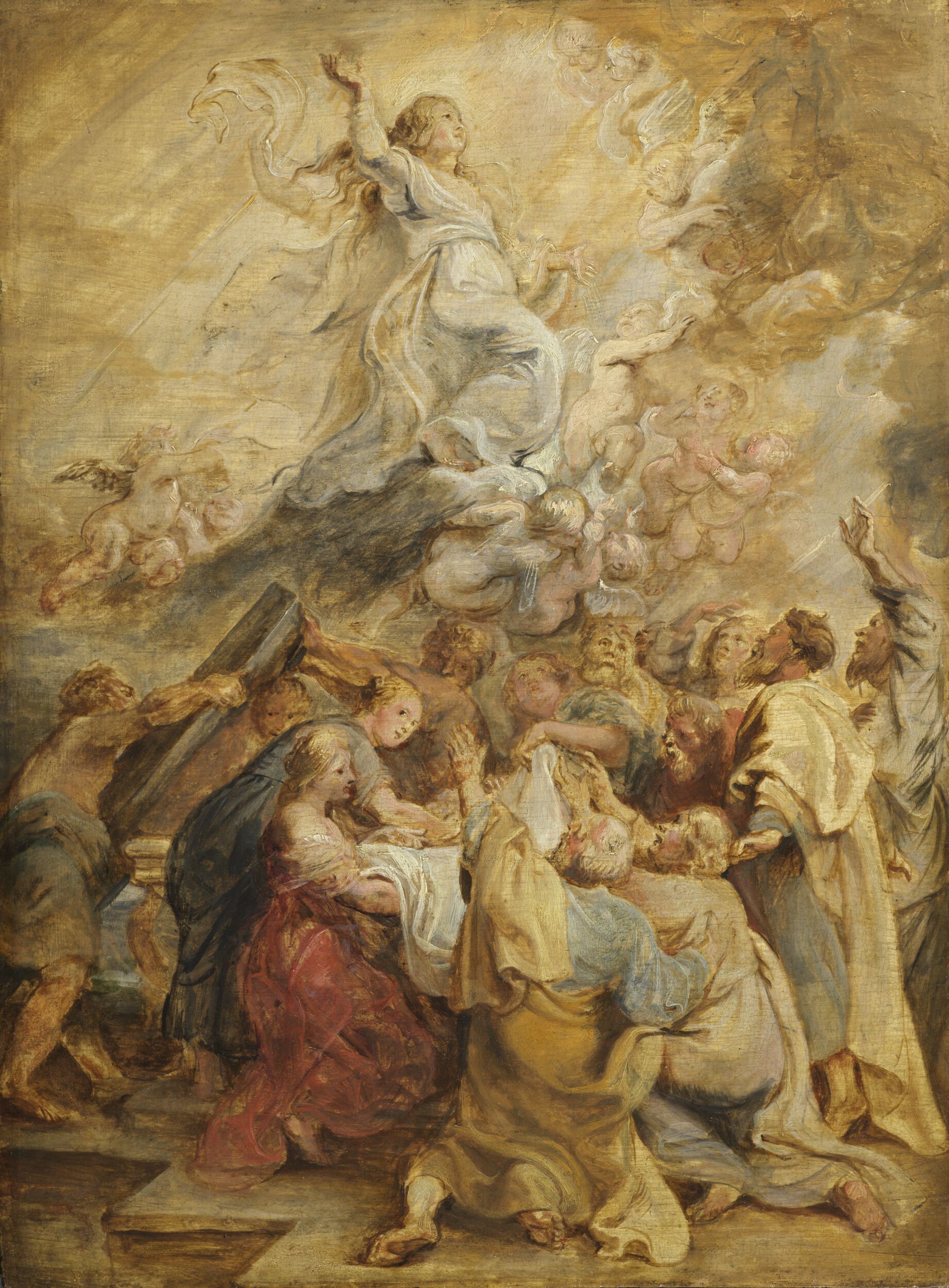
This is the Temptation of Christ by Peter Paul Rubens. These freely painted sketches, completed in 1620 in oil on panel, were preparatory studies for two ceiling canvases that would have hung in the Church of Saint Ignatius of Loyola in Antwerp. Their format and low viewpoint hint at their intended placement high above the congregation.
On the left, Christ confronts the devil, who urges him to turn stones into bread and break his fast. On the right, the scene turns tender as Christ crowns his mother Mary as she ascends to heaven. These biblical moments were drawn from the New Testament, and from them Rubens’s assistants later produced the finished works that formed part of a 39‑canvas series.
The original canvases survived until 1721 when a lightning strike set the church ablaze, destroying the entire series. Count Antoine Seilern’s collection, which included more than sixty Rubens pieces, preserved this sketch. Seilern, an avid collector who loved to reconstruct lost projects by acquiring related studies, bought the neighboring Saint Gregory sketch in 1933, the same year he began studying art history at Vienna University.
Even though the finished paintings are gone, these sketches give us a vivid glimpse into Rubens’s compositional process and the dramatic storytelling that defined his work.
See it in person
Temptation of Christ hangs in The Courtauld Gallery at Somerset House, London. Point your phone at any artwork there and audioguide.london plays a free audio guide in six languages — no app download needed.