Regulator
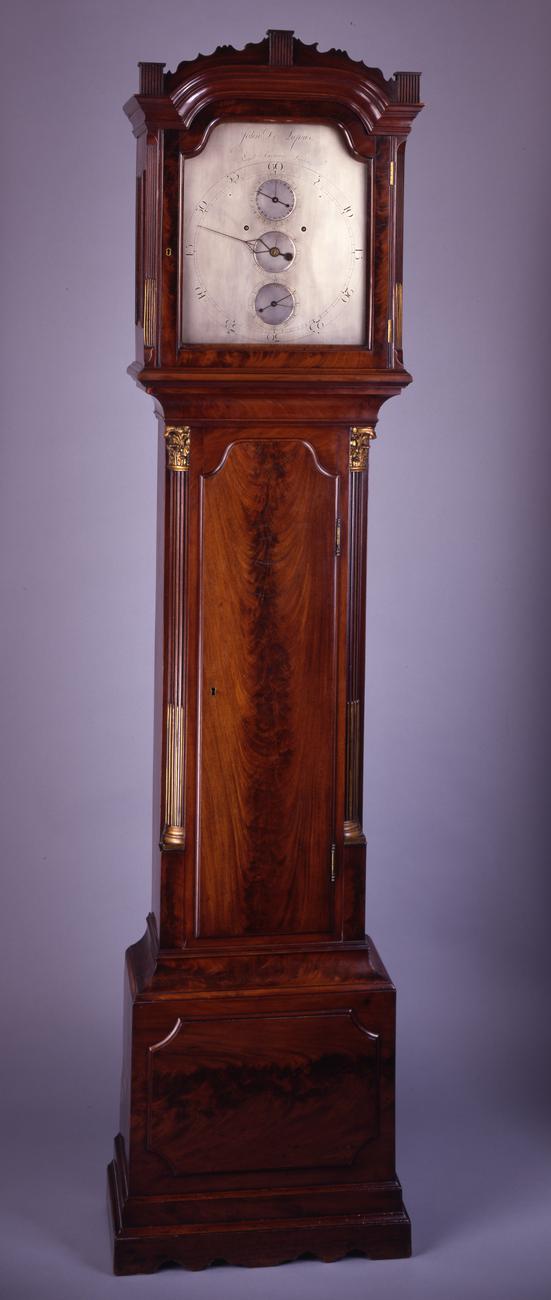
- Gallery: Room 39
- Maker: John De Lafons
- Made in: London (England) (Royal Exchange)
- Date: 1780-1785
- Object type: regulator, solar-sidereal clock
- Materials: mahogany (case); brass (movement); steel (movement)
- Museum number: 1998,0704.1
- Museum: The British Museum
- Collection record: British Museum website
- Image © The Trustees of the British Museum, shared under a CC BY-NC-SA 4.0 licence.
Listen to the free audio guide
In the museum now? Point your phone at the next object and hear its guide.
About this object
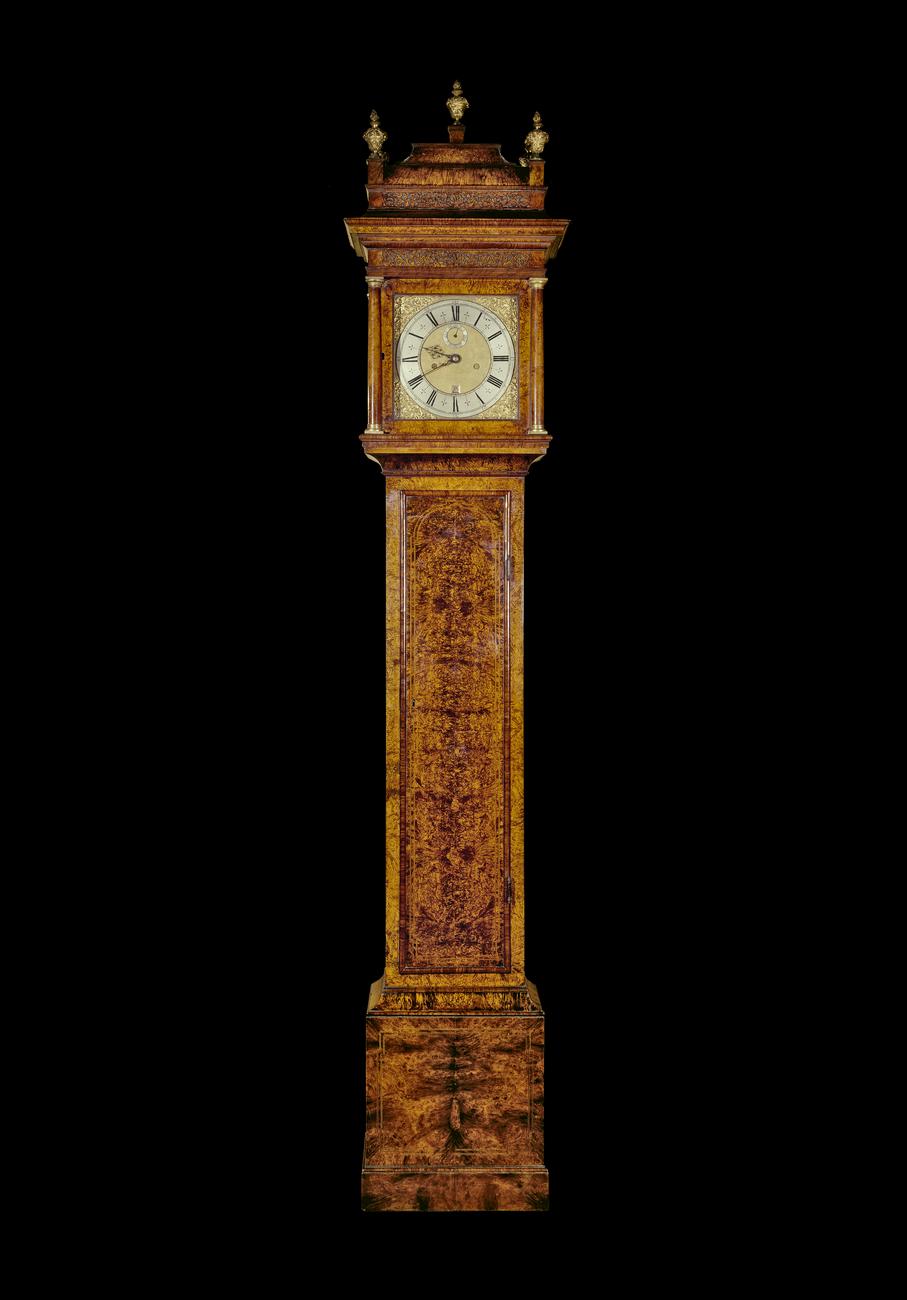
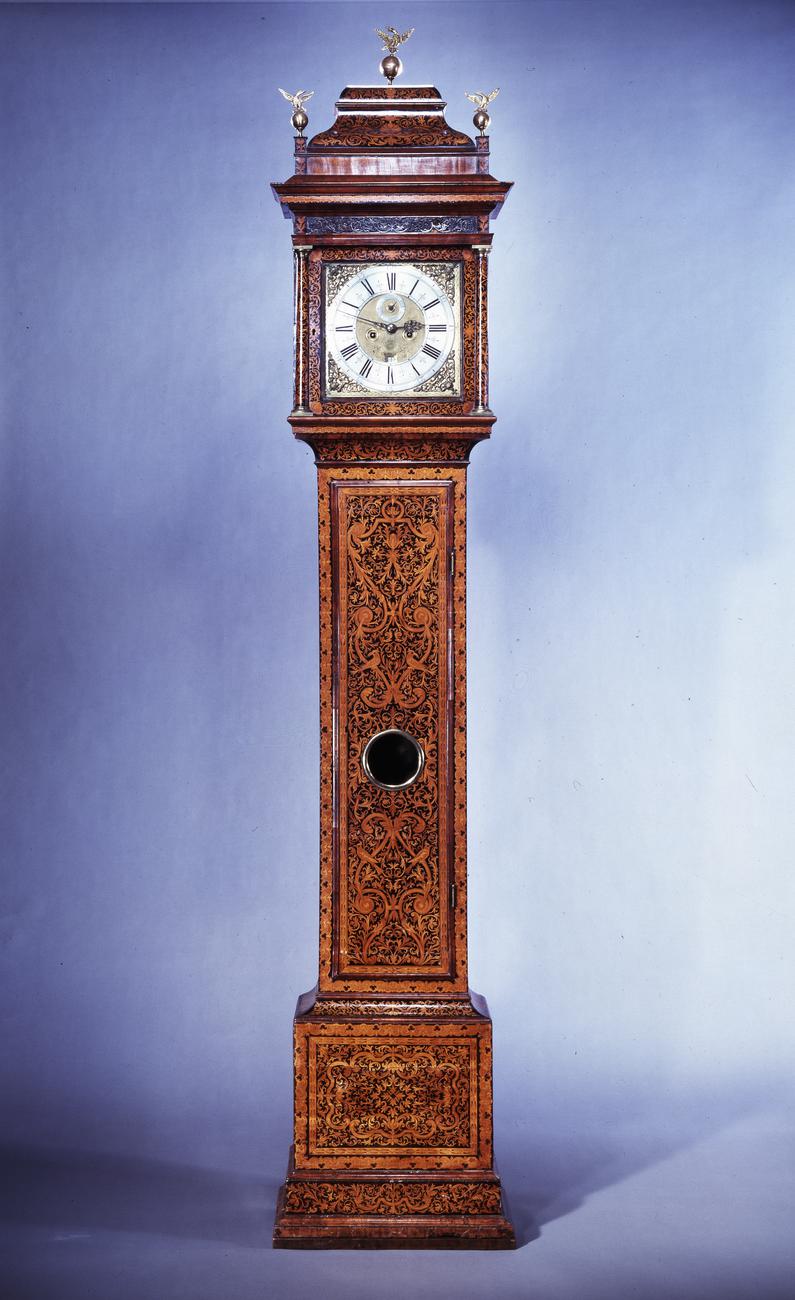
Before you stands a remarkable example of 18th-century horology: a SOLAR/SIDEREAL LONGCASE REGULATOR crafted in London around 1780. The piece is housed in a richly made mahogany case, featuring elegant raised panels on the hood and plinth.
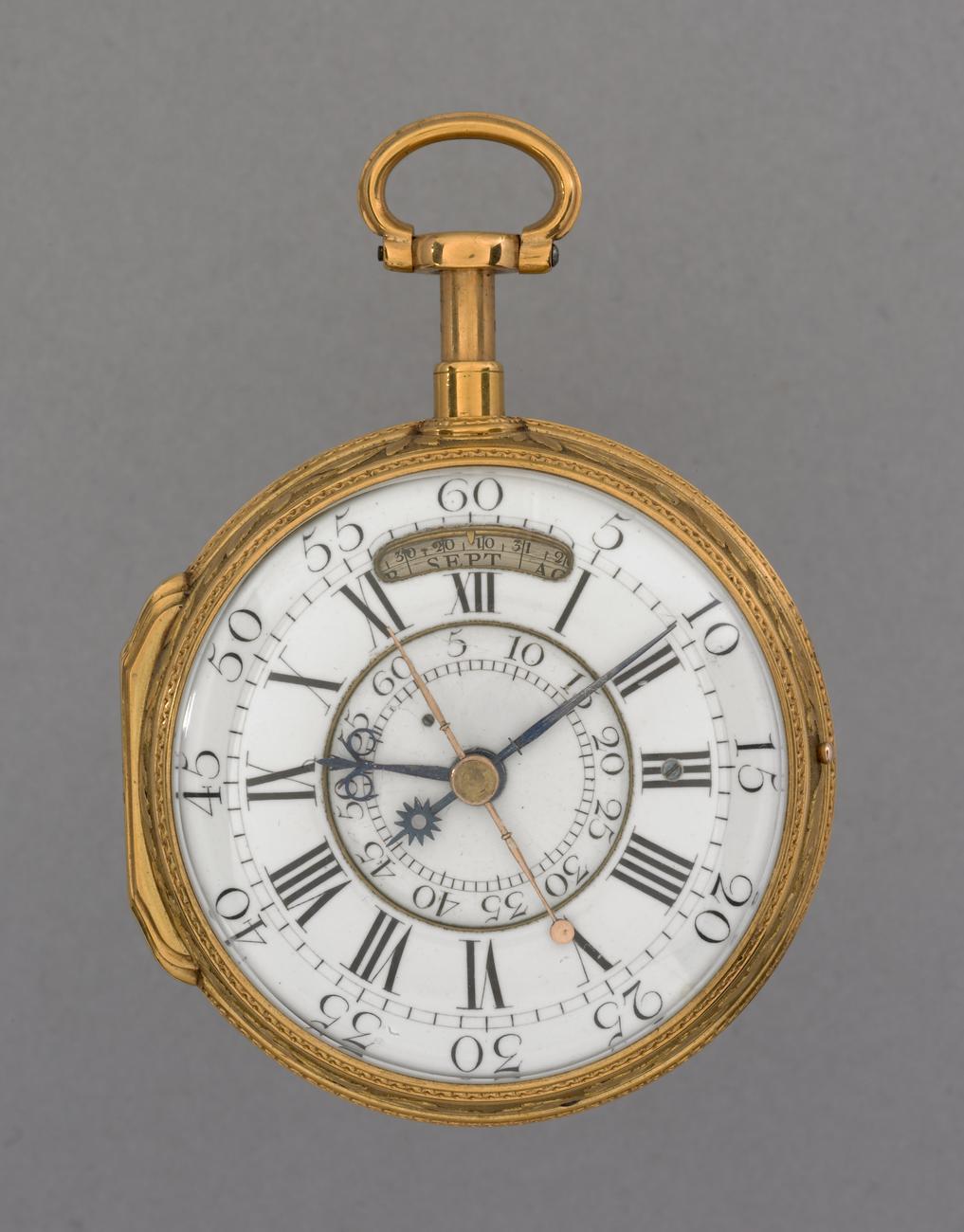
The face is a marvel of precision: a silvered brass dial shows both solar and sidereal time. The outer ring marks sidereal minutes, while three central subsidiary rings track sidereal hours, minutes, and seconds. Each contains a rotating disc that converts these times to mean solar equivalents—perfect for astronomers observing celestial events.
This regulator was built for accuracy. It runs on a weight-driven movement with a dead-beat escapement and an ingenious gear train that translates between the two types of time. The dial is signed "John De Lafons, Royal Exchange London," though its close resemblance to known clocks by another maker, George Margetts, suggests shared design practices of the period.
Such clocks were treasured by amateur astronomers during a time when scientific curiosity flourished.
See it in person
Regulator is on display in Room 39 at the British Museum on Great Russell Street, Bloomsbury, London — free to enter. Choose British Museum on audioguide.london and take a photo of it to hear this free audio guide in six languages — no app download needed.
New, in beta. British Museum support has just launched and is still improving: over 1,000 objects so far, with more added all the time.