Neo-Assyrian sculpture
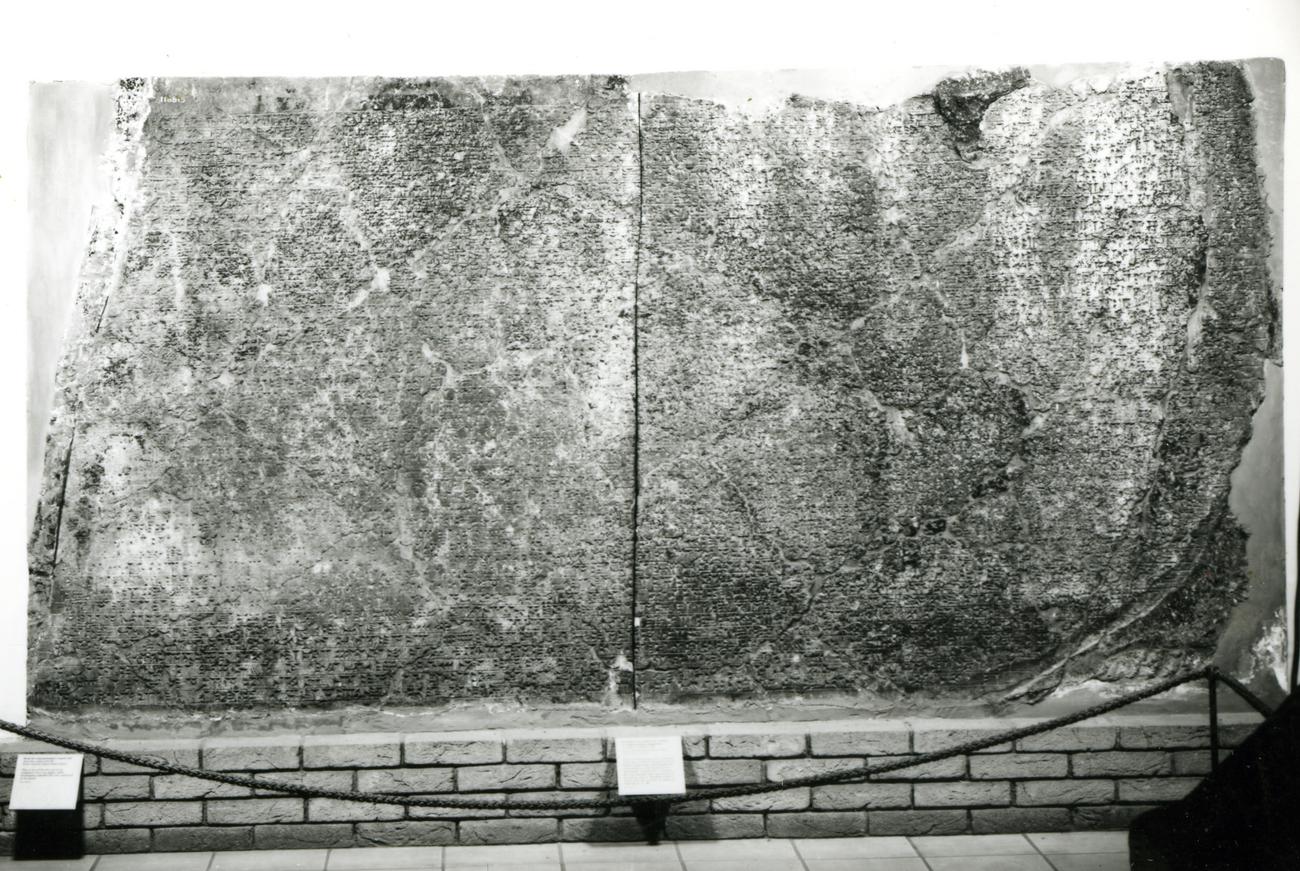
- Gallery: Room 10c
- Culture: Neo-Assyrian
- Date: 693BC-692BC
- Object type: sculpture
- Materials: gypsum
- Museum number: 118815
- Museum: The British Museum
- Collection record: British Museum website
- Image © The Trustees of the British Museum, shared under a CC BY-NC-SA 4.0 licence.
Listen to the free audio guide
In the museum now? Point your phone at the next object and hear its guide.
About this object
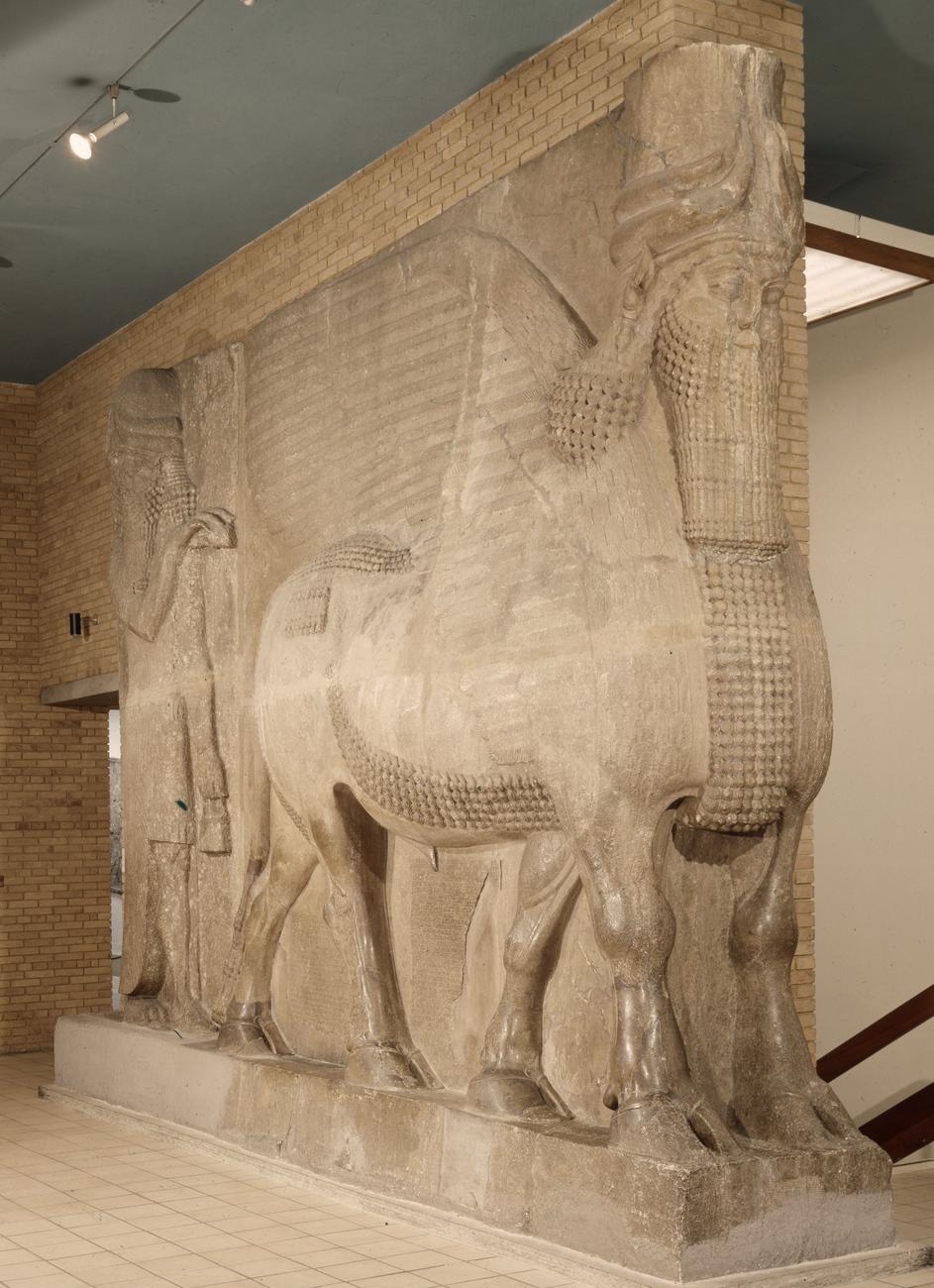
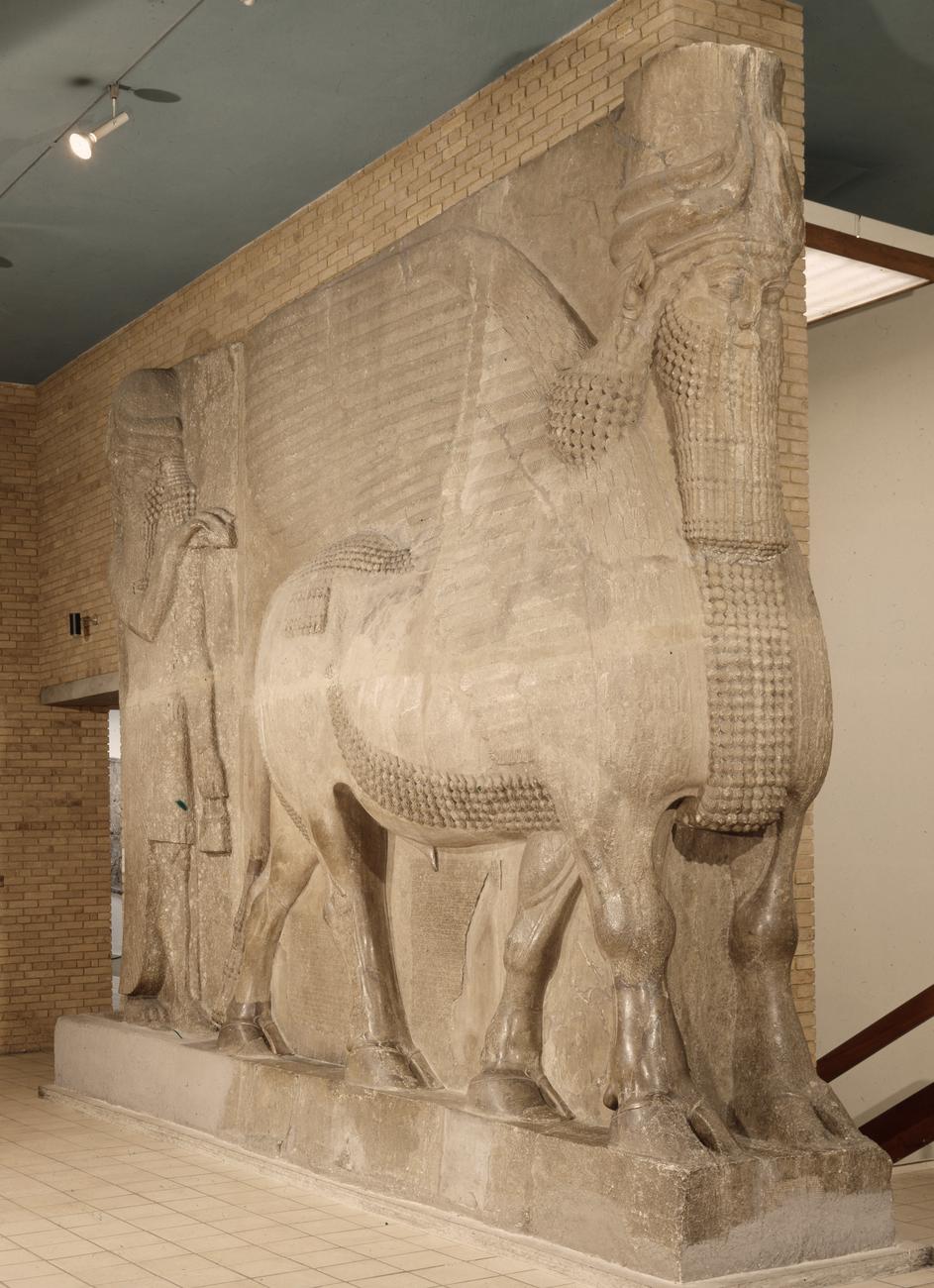
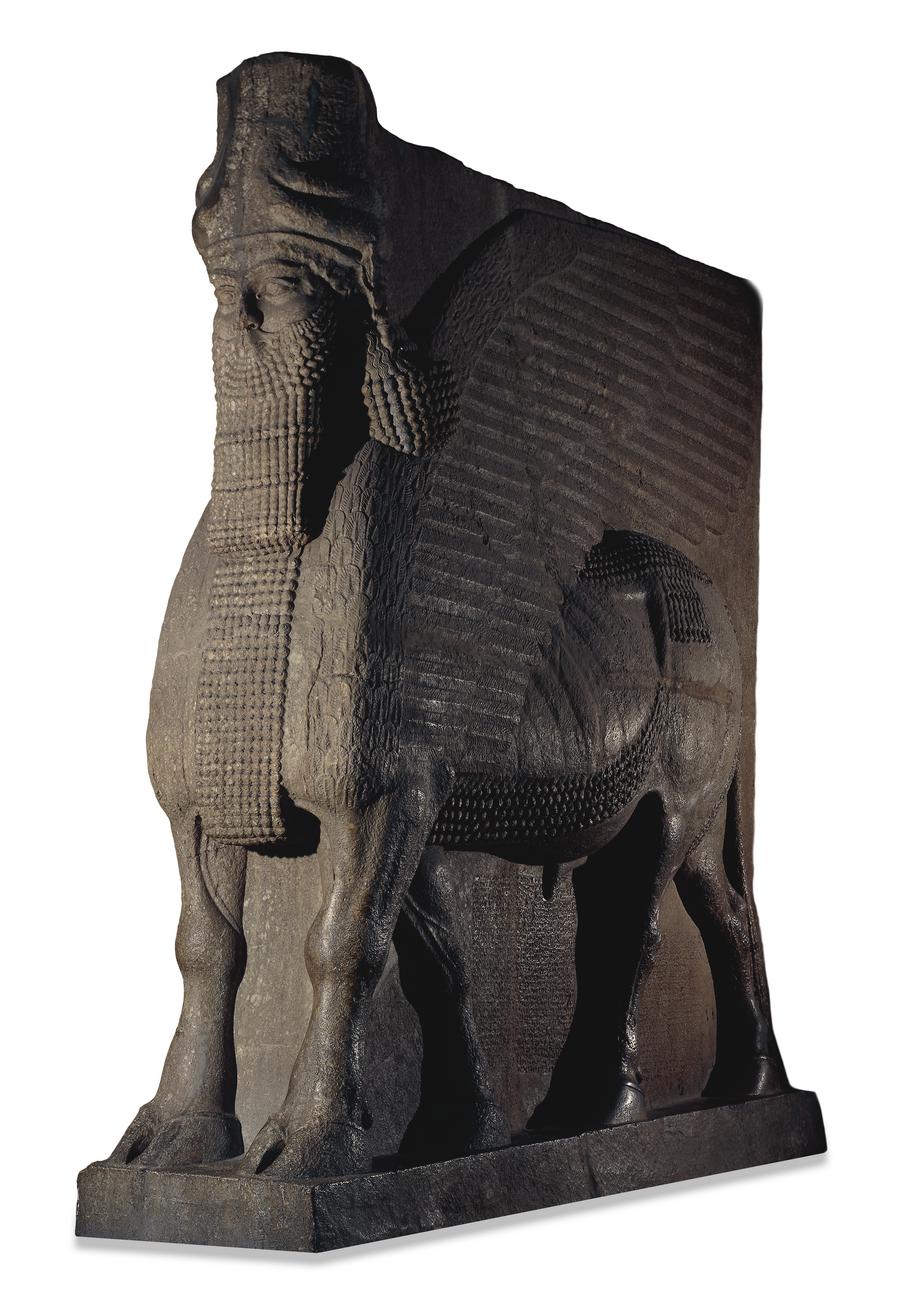
Before you is a Neo-Assyrian sculpture in two pieces, carved from gypsum. It features a cuneiform inscription, originally placed beneath the stomach of a human-headed winged-bull. These majestic creatures once flanked the entrance to the throne room of King Sennacherib’s palace.
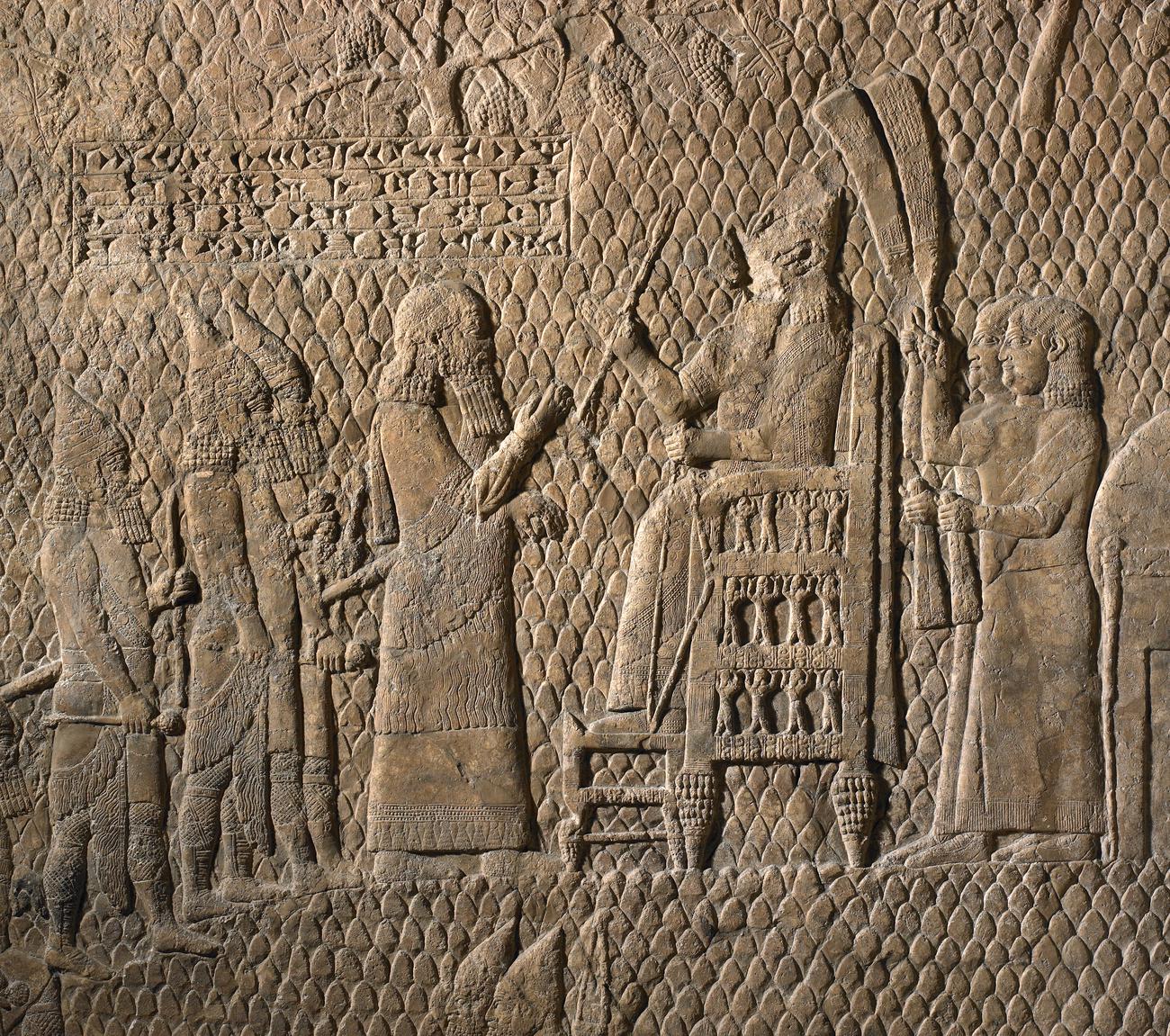
The inscription marks one of the most detailed records of tribute sent by Hezekiah, king of Judah, following an Assyrian campaign in Palestine around 701 BC. This artwork gives insight into the grandeur of Assyrian court life and its powerful political reach.
Dated to 693–692 BC, this piece comes from the South West Palace at Nineveh, an important center of Neo-Assyrian power. Winged human-headed bulls, or lamassu, were symbolic guardians in Assyria, blending strength, wisdom, and protection. The carvings and inscriptions help us piece together stories of ancient rulers and their empires, preserved for millennia in stone.
See it in person
Neo-Assyrian sculpture is on display in Room 10c at the British Museum on Great Russell Street, Bloomsbury, London — free to enter. Choose British Museum on audioguide.london and take a photo of it to hear this free audio guide in six languages — no app download needed.
New, in beta. British Museum support has just launched and is still improving: over 1,000 objects so far, with more added all the time.