Inscribed pillar of King Asoka
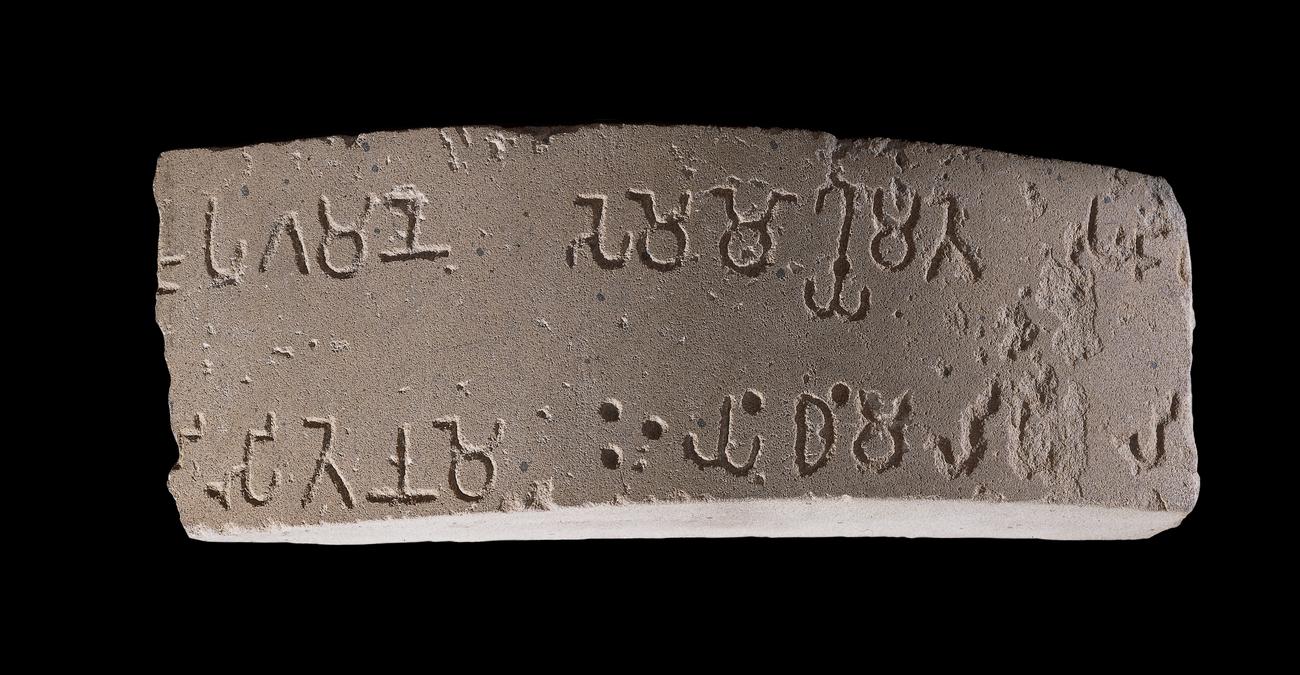
- Audio guide stop: 614
- Gallery: Room 33
- Culture: Mauryan
- Date: 3rdC BC (mid)
- Object type: pillar
- Materials: sandstone
- Museum number: 1880.21
- Museum: The British Museum
- Collection record: British Museum website
- Image © The Trustees of the British Museum, shared under a CC BY-NC-SA 4.0 licence.
Listen to the free audio guide
About this object
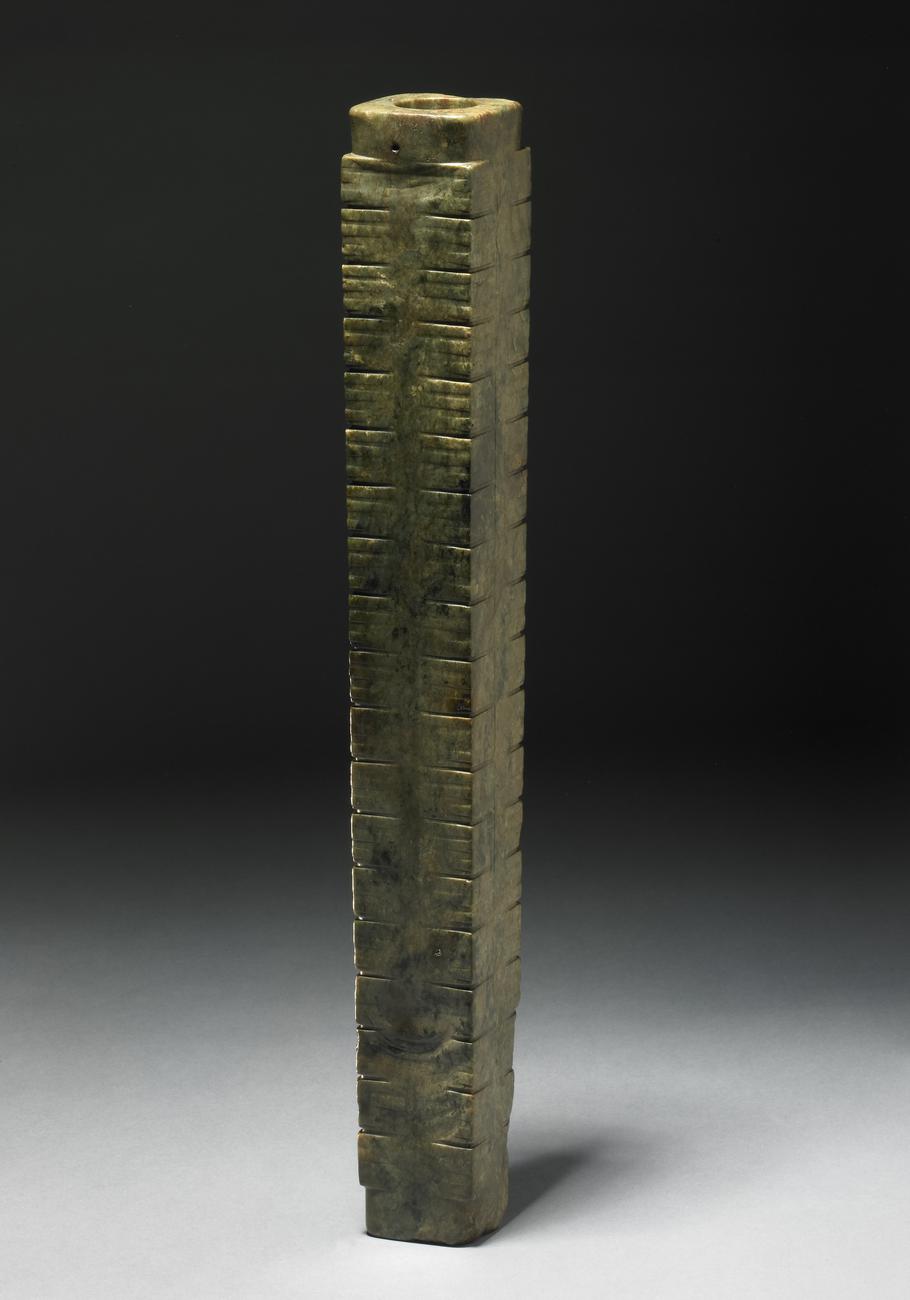
This is a carved and burnished sandstone fragment from an ancient inscribed pillar of King Aśoka, dating to the mid-3rd century BCE. The piece you see was part of a larger pillar that once stood in Meerut but was later moved to Delhi. Much of the pillar was destroyed in an explosion in the early 1700s, and the surviving inscribed sections were divided and sent to different institutions.
You can spot the curved shape and smooth surface, signs of the careful craftsmanship typical of the Mauryan period. On the outer face, you’ll find a historical inscription in Brahmi script, composed in Prakrit. It reads: "All sects are honoured by me in many ways, but I regard that to be my principal duty...". This is part of Edict VI, a message promoting religious tolerance and moral conduct across Aśoka’s empire.
The fragment came to the British Museum in 1880, having previously been held in London’s India Museum. It’s a rare and valuable witness to one of ancient India’s most significant rulers and thinkers.
See it in person
Inscribed pillar of King Asoka is on display in Room 33 at the British Museum on Great Russell Street, Bloomsbury, London — free to enter. Choose British Museum on audioguide.london and type its audio guide stop number, 614, from the gallery label, or take a photo of it, to hear this free audio guide in six languages — no app download needed.
New, in beta. British Museum support has just launched and is still improving: over 1,000 objects so far, with more added all the time.