The Greenfield Papyrus
- Gallery: Room 63
- Culture: 21st Dynasty; 22nd Dynasty
- Date: 950 BC - 930 BC (circa)
- Object type: papyrus
- Materials: papyrus
- Museum number: EA10554,17
- Museum: The British Museum
- Collection record: British Museum website
- Image © The Trustees of the British Museum, shared under a CC BY-NC-SA 4.0 licence.
Listen to the free audio guide
About this object
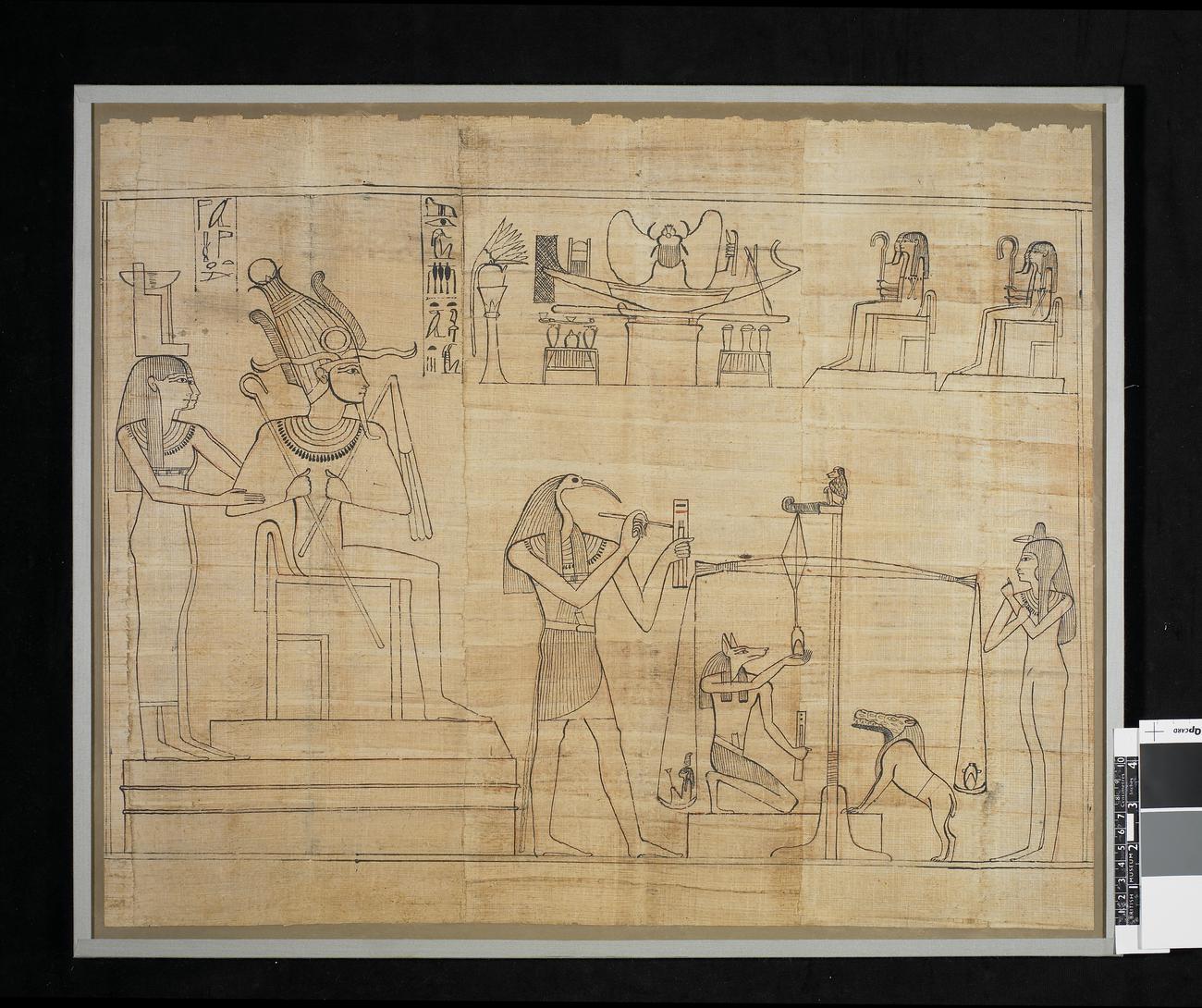
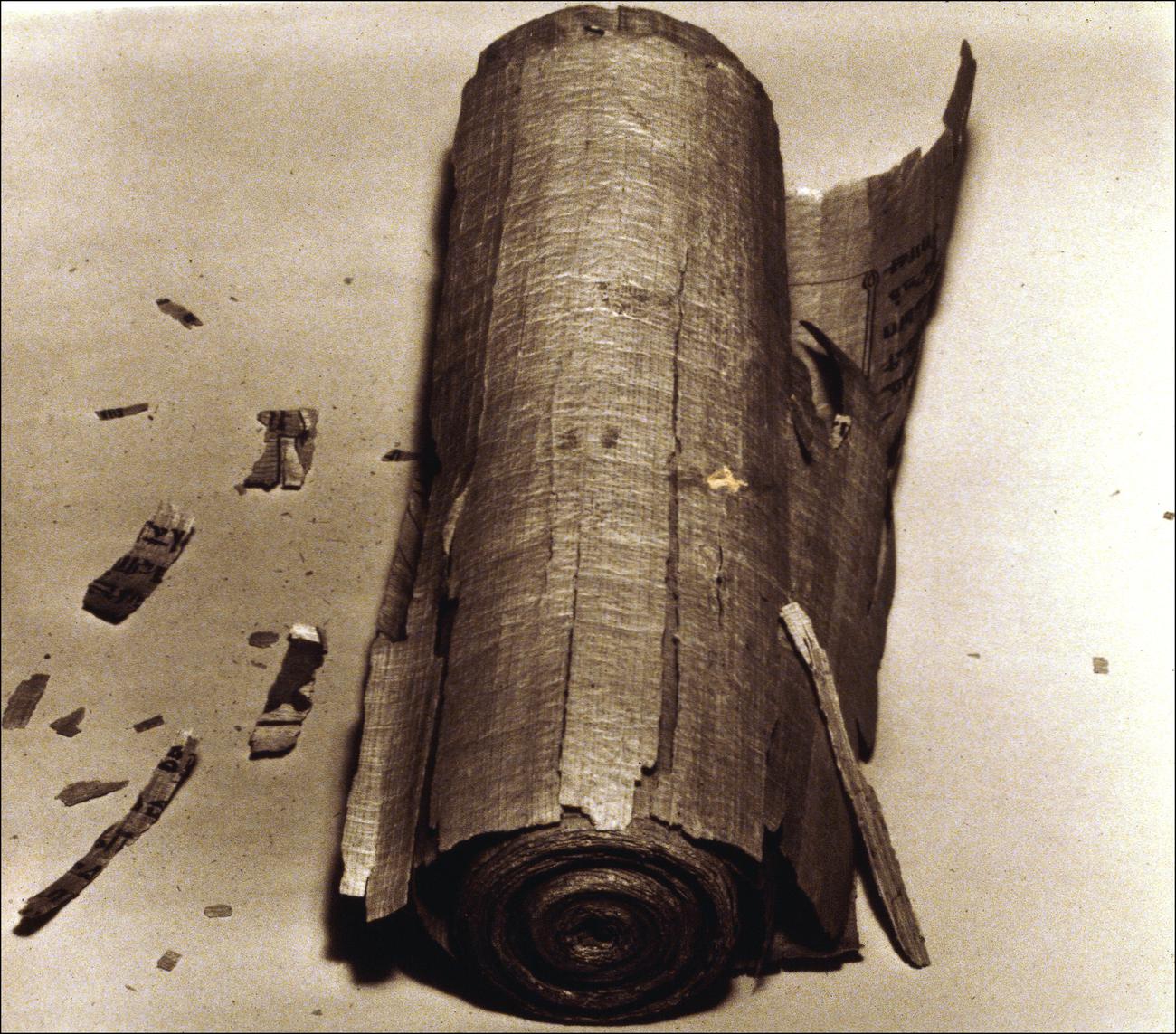
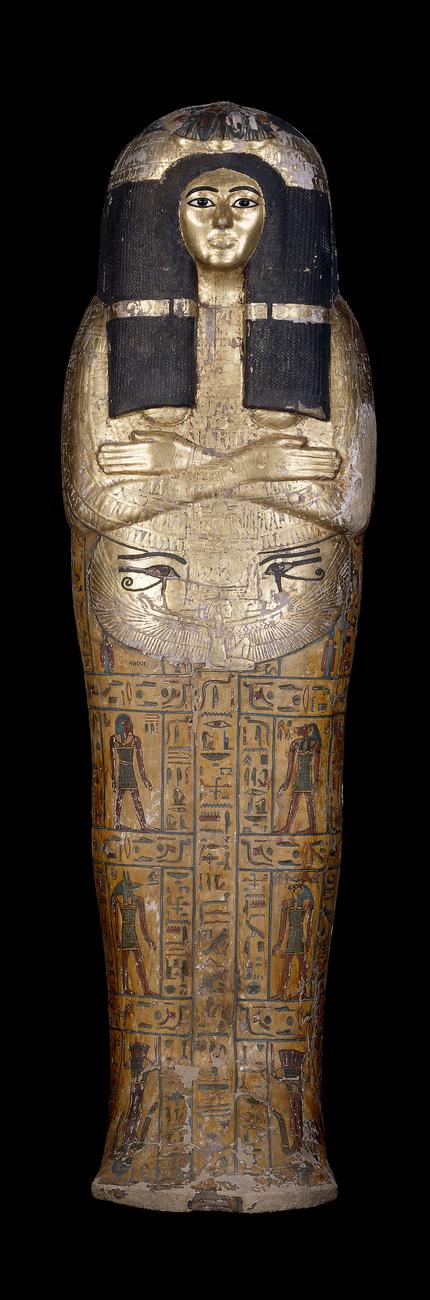
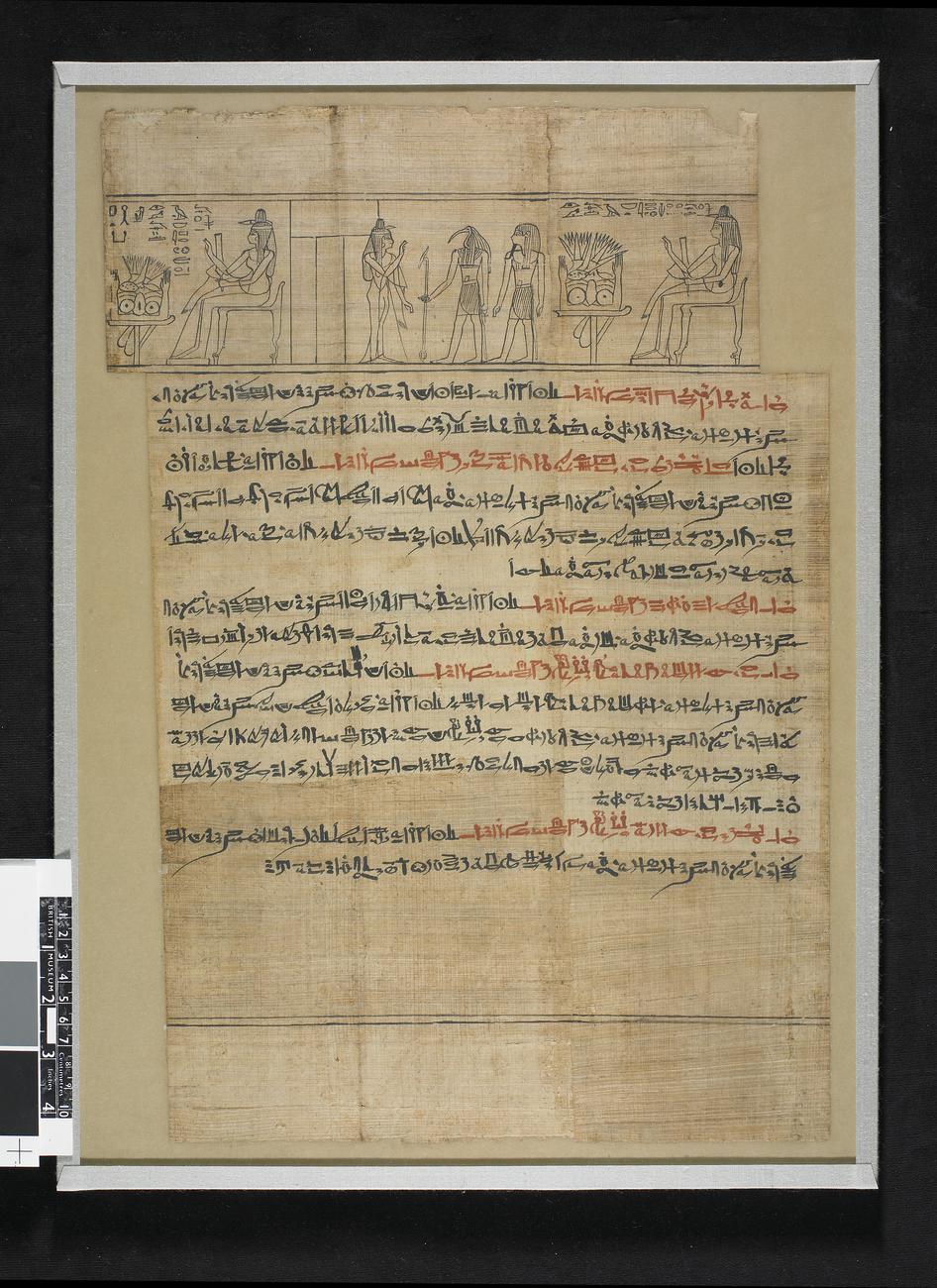
Before you is "The Greenfield Papyrus," a beautiful funerary document from ancient Egypt, created during the 21st Dynasty around 950 to 930 BC. Originally belonging to Nestanebetisheru, a priestess of Amun-Ra, this papyrus depicts scenes from the Book of the Dead.
In the illustration, the deceased woman sits on a chair, holding a sekhem-sceptre before an offering table. Thoth, the god of wisdom, and another figure face her as she stands by a gate. Small but precise hieroglyphic labels identify Nestanebetisheru in black ink.
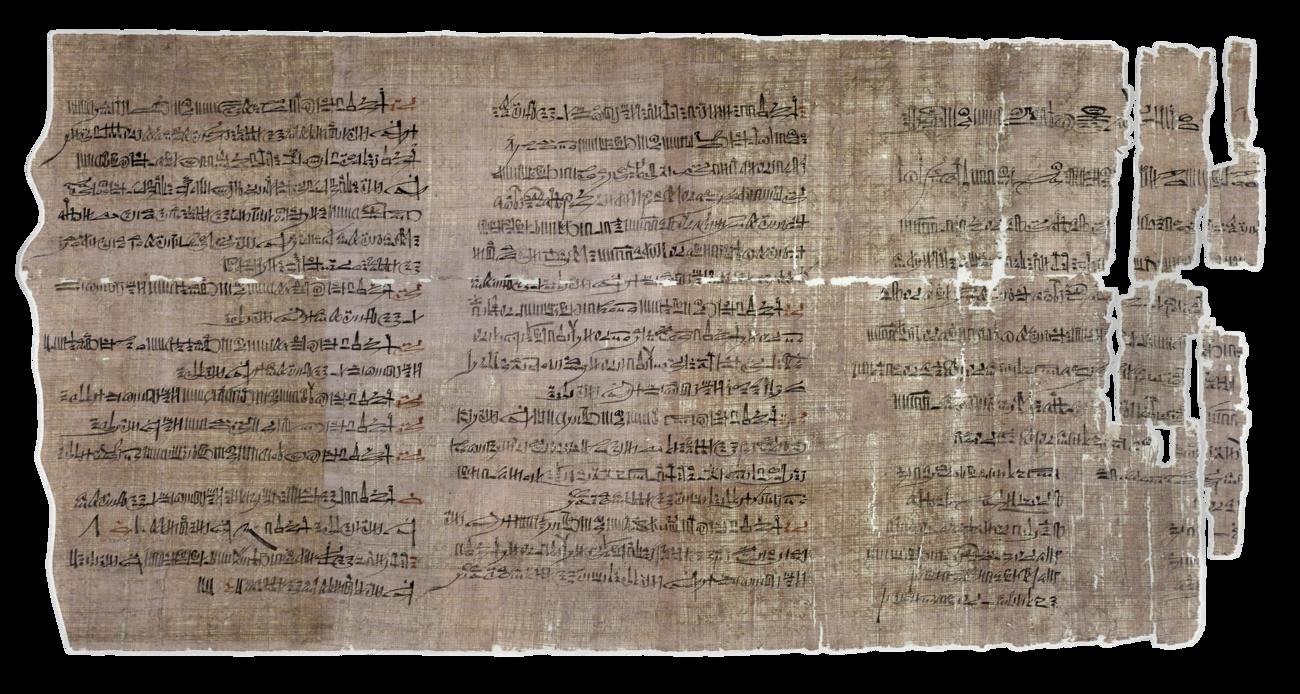
Beneath this scene runs a column of hieratic script in black and red ink, forming a set of spells that guide the soul in the afterlife. The elegant style and spiritual content reflect the religious traditions of the time.
Made of papyrus and filled with vivid imagery and prayers, this document was meant to protect and honor Nestanebetisheru in the next life. This papyrus is both a prayer and a window into an ancient worldview.
See it in person
The Greenfield Papyrus is on display in Room 63 at the British Museum on Great Russell Street, Bloomsbury, London — free to enter. Choose British Museum on audioguide.london and take a photo of it to hear this free audio guide in six languages — no app download needed.
New, in beta. British Museum support has just launched and is still improving: over 1,000 objects so far, with more added all the time.