The Abbott Papyrus
- Gallery: Room 63
- Culture: 20th Dynasty
- Object type: papyrus
- Materials: papyrus
- Museum number: EA10221,1
- Museum: The British Museum
- Collection record: British Museum website
- Image © The Trustees of the British Museum, shared under a CC BY-NC-SA 4.0 licence.
Listen to the free audio guide
About this object
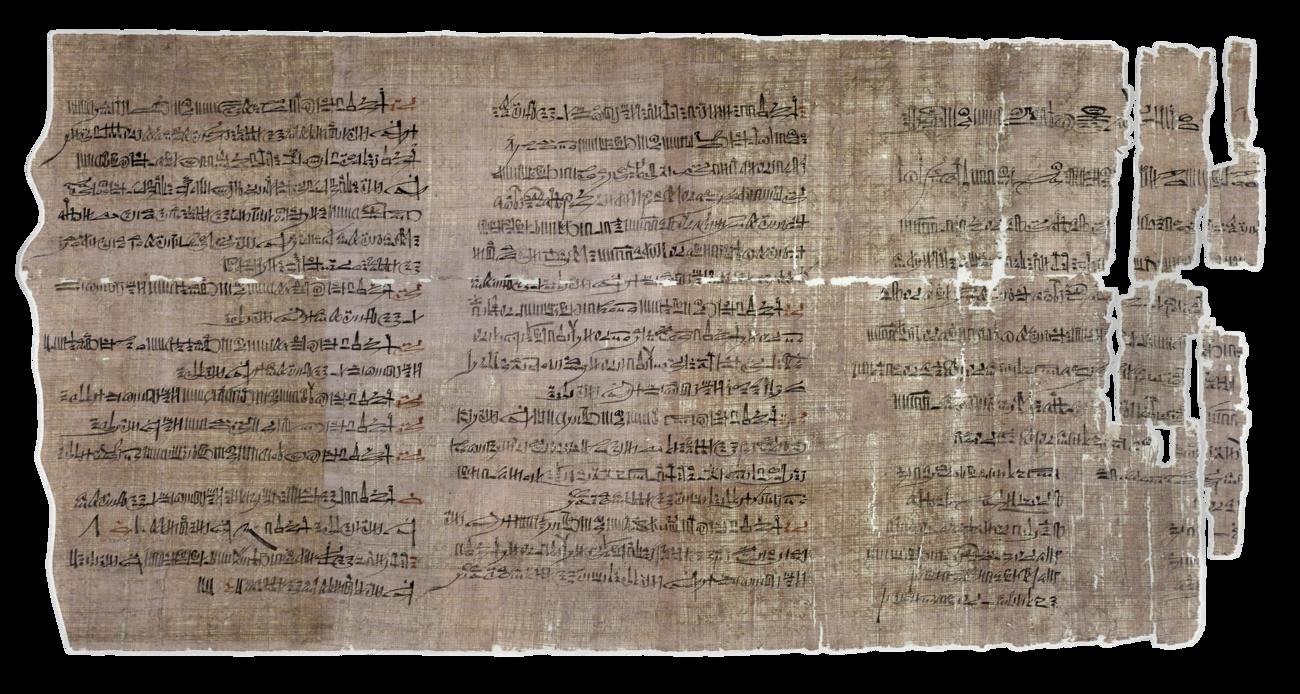
Before you is "The Abbott Papyrus," an ancient Egyptian document from the 20th Dynasty. This papyrus sheet carries a hieratic legal text dealing with the serious crime of tomb-robbery. The elegant script fills the surface, written in the cursive hieratic style that was commonly used for administrative and legal documents of the time.
Hieratic script was a faster and more simplified form of Egyptian writing, often used on papyrus for everyday records and texts. This piece was excavated from Thebes, in Upper Egypt, and later purchased from Henry William Charles Abbott. The text was published along with its translation in 1930 by the Egyptologist T.G.H. Peet in a book titled Great Tomb Robberies, which helped bring attention to this significant document.
Notice the careful arrangement of the text and consider the importance of such documents in maintaining law and order in ancient Egypt.
See it in person
The Abbott Papyrus is on display in Room 63 at the British Museum on Great Russell Street, Bloomsbury, London — free to enter. Choose British Museum on audioguide.london and take a photo of it to hear this free audio guide in six languages — no app download needed.
New, in beta. British Museum support has just launched and is still improving: over 1,000 objects so far, with more added all the time.