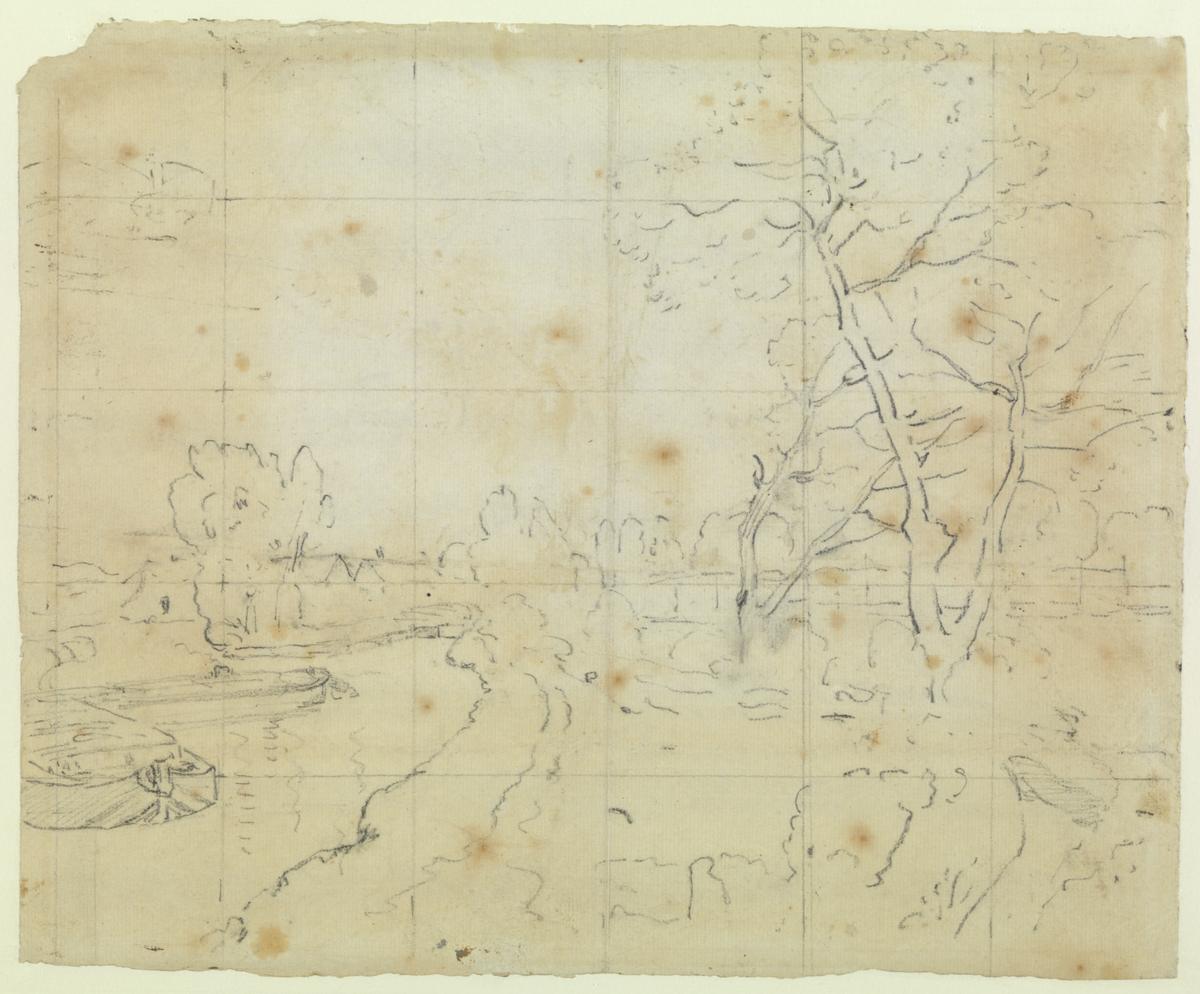
Study for Heraldic Glass
- Artist: Philip Webb
- Date: 1893
- Medium: Graphite on paper
- Dimensions: support: 267 x 279 mm
- Museum: Tate Britain
- Collection record: Tate Britain website
Listen to the free audio guide
In the museum now? Point your phone at the next artwork and hear its guide.
About this artwork
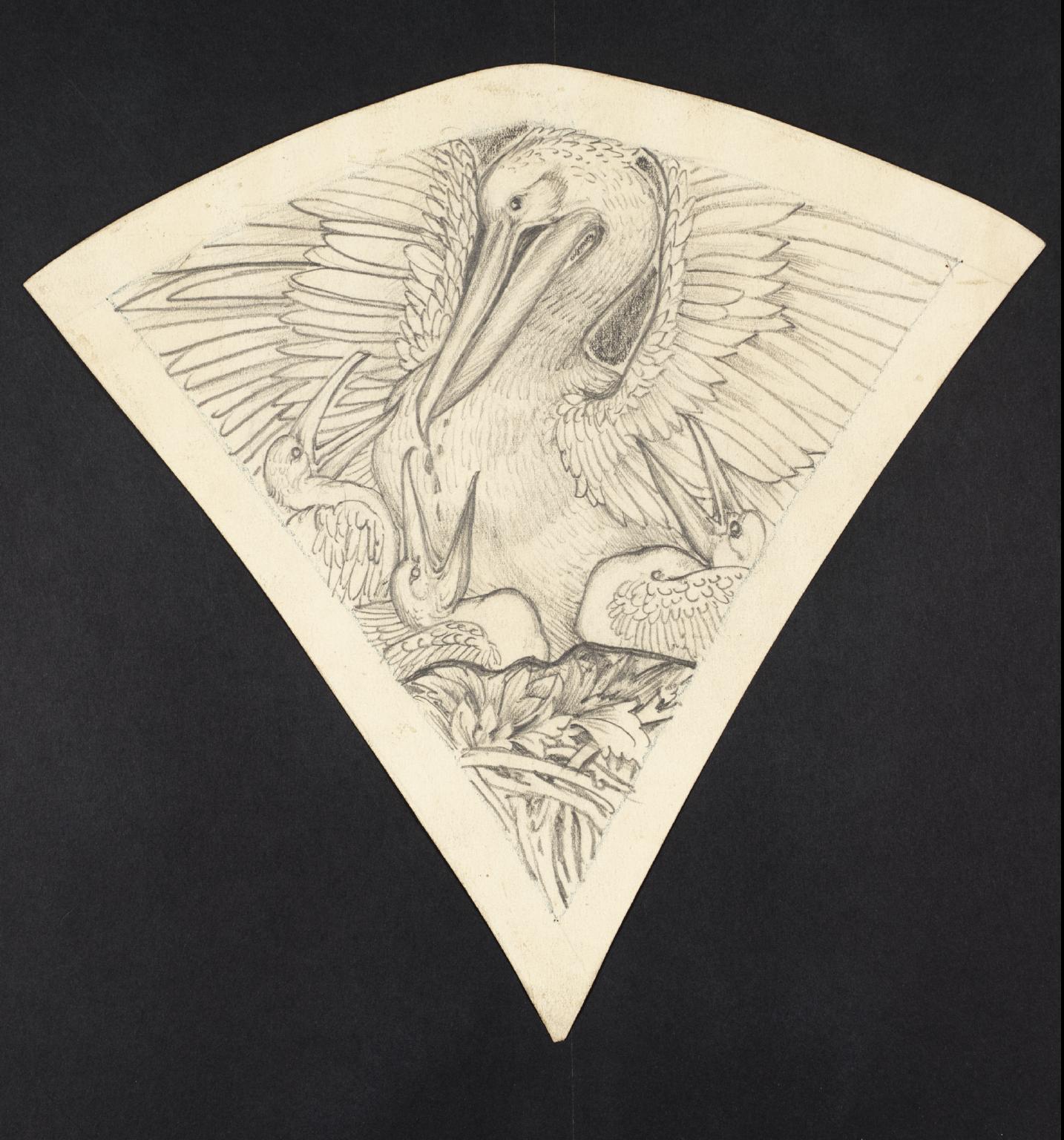
This is “Study for Heraldic Glass” by Philip Webb, created in 1893. The piece is a small, graphite‑on‑paper sketch measuring just over 26 cm by 28 cm, a meticulous preparatory study for a larger heraldic glass window. The drawing features a pelican in mid‑action, its beak extended as it feeds on a cluster of foliage. Webb’s line work captures the bird’s feathers with delicate precision, while the surrounding plants add a subtle sense of movement and texture. The subject matter—birds in action and the interaction with plant life—fits neatly into the broader theme of nature that Webb explored throughout his career.
Webb, known primarily as an architect, also pursued decorative art, and this study showcases his skill in translating architectural ideas into detailed natural motifs. The graphite medium allows for a high level of detail and subtle shading, giving the pelican a three‑dimensional quality despite the flatness of the paper. This work was bequeathed to the collection in 1927 and now sits among other studies and prints that highlight the early modern British fascination with birds.
See it in person
Study for Heraldic Glass is in the collection of Tate Britain on Millbank, London — free to enter. Point your phone at any artwork there and audioguide.london plays a free audio guide in six languages — no app download needed.