Middle Babylonian kudurru
- Gallery: Room 55
- Culture: Middle Babylonian
- Date: 11thC BC
- Object type: kudurru
- Materials: limestone
- Museum number: 90841
- Museum: The British Museum
- Collection record: British Museum website
- Image © The Trustees of the British Museum, shared under a CC BY-NC-SA 4.0 licence.
Listen to the free audio guide
About this object
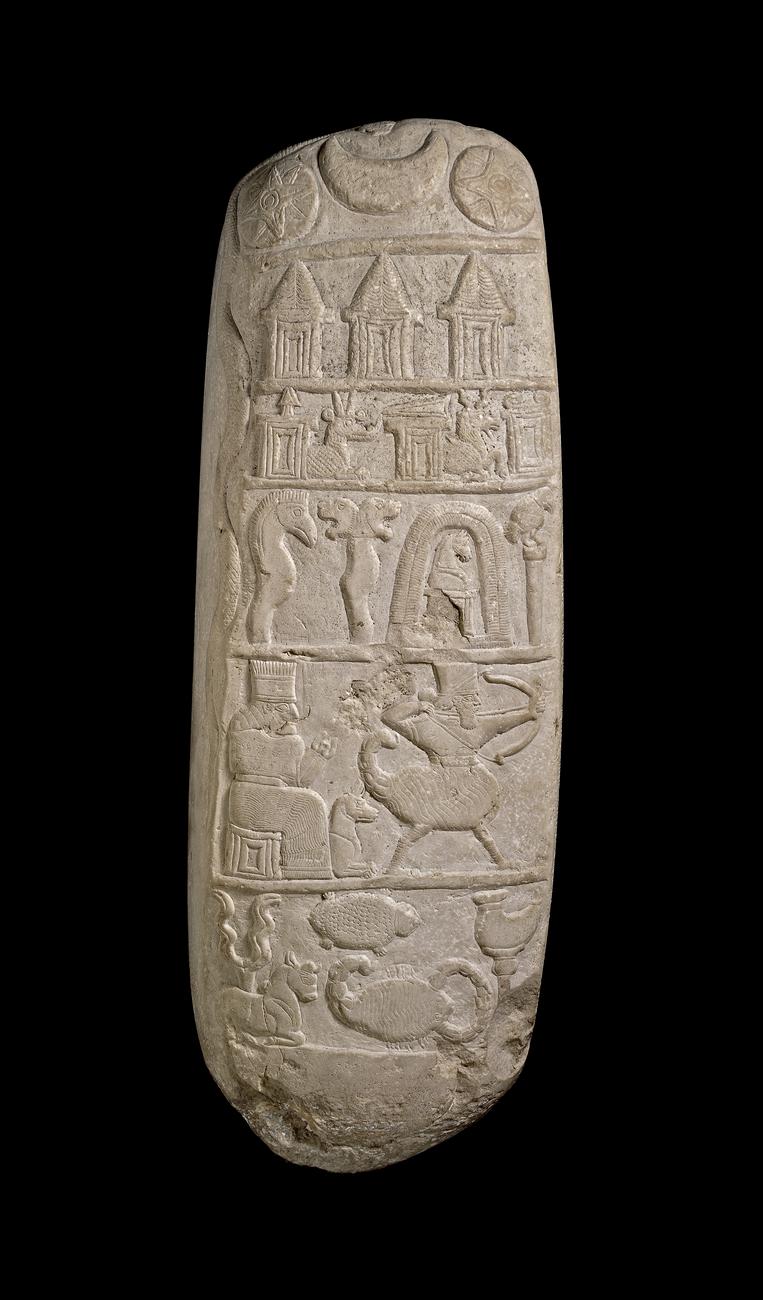
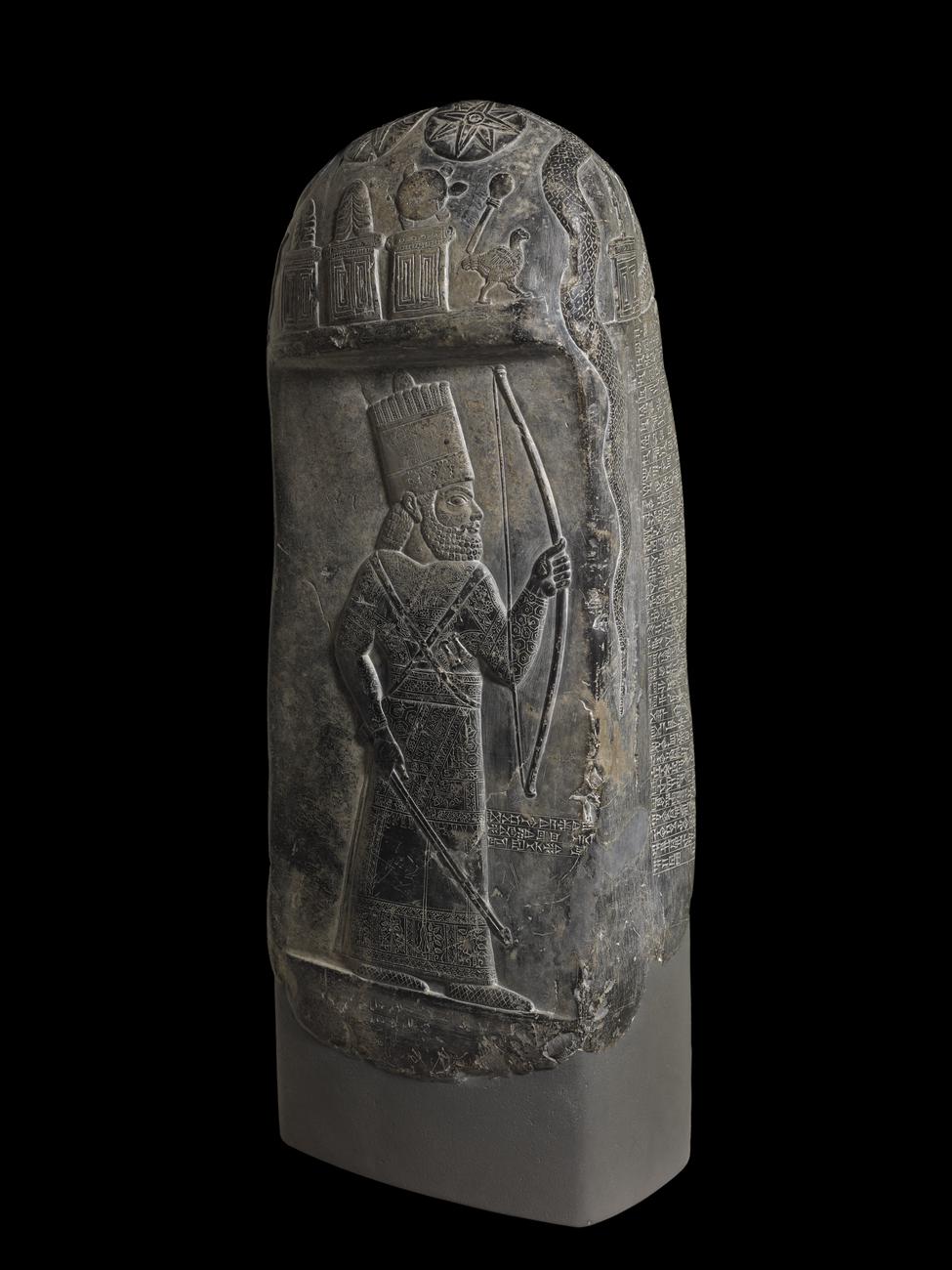
Before you stands a kudurru, a boundary stone from ancient Babylon, carved in black limestone around the 11th century BC. This striking object is covered with intricate carvings and cuneiform inscriptions. The top and sides feature a series of symbols like a solar disc, lunar disc, eight-pointed star, a horned headdress, a turtle, a dragon, a lion-headed mace, and a serpent.
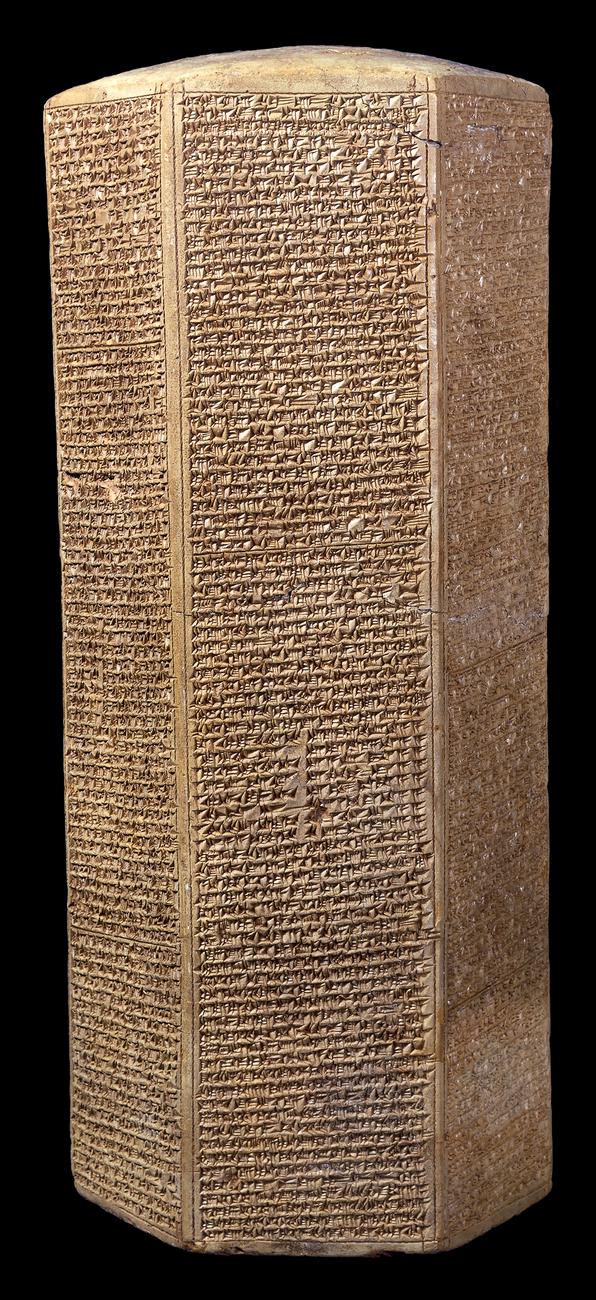
On the main face, a Babylonian king is depicted in a richly embroidered robe, carrying a bow and arrows. The inscriptions below detail a land sale made by a royal officer named Marduk-nasir. The price is listed in goods and silver, and the stone includes powerful curses against anyone who would tamper with the boundary it marks.
The artistry and detailed craftsmanship of this kudurru reflect its function as both a legal document and a sacred protector of land rights. The stone’s inscriptions provide a fascinating glimpse into the legal and religious life of ancient Mesopotamia.
See it in person
Middle Babylonian kudurru is on display in Room 55 at the British Museum on Great Russell Street, Bloomsbury, London — free to enter. Choose British Museum on audioguide.london and take a photo of it to hear this free audio guide in six languages — no app download needed.
New, in beta. British Museum support has just launched and is still improving: over 1,000 objects so far, with more added all the time.