Luristan bronzes
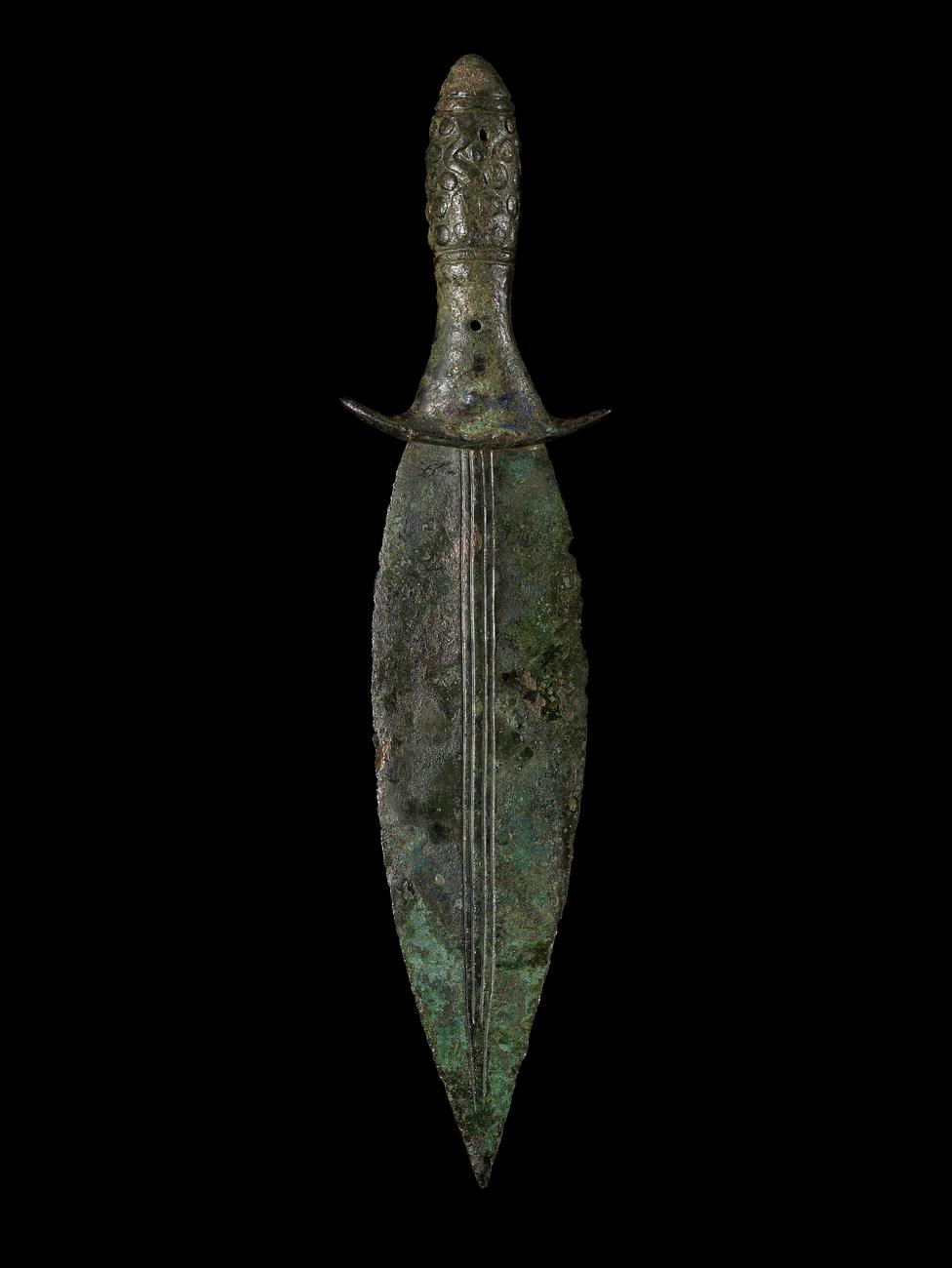
- Audio guide stop: 426
- Gallery: Room 52
- Audio guide: one commentary for a group of objects shown together
- Museum: The British Museum
- Image © The Trustees of the British Museum, shared under a CC BY-NC-SA 4.0 licence.
Listen to the free audio guide
About these objects
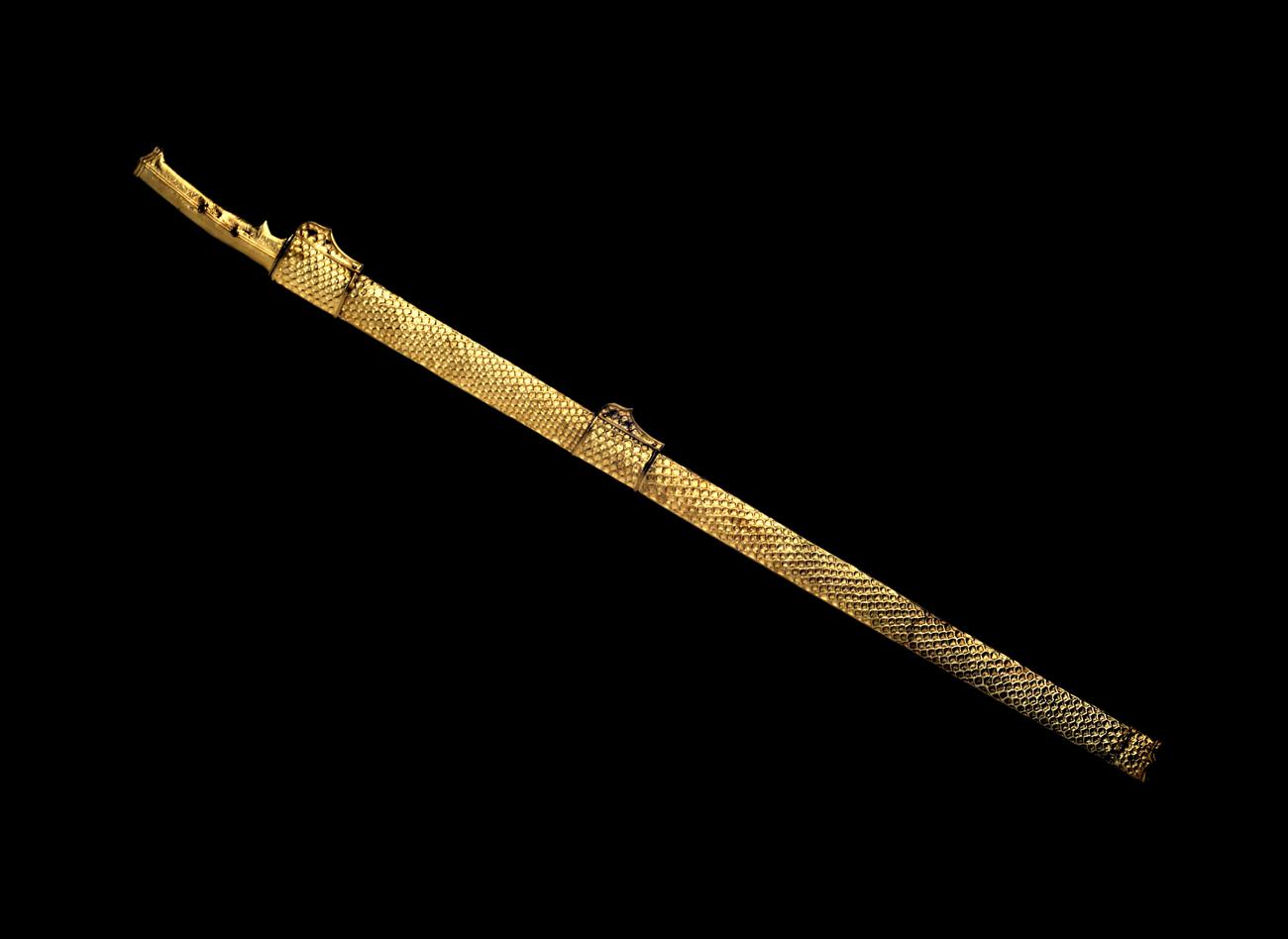
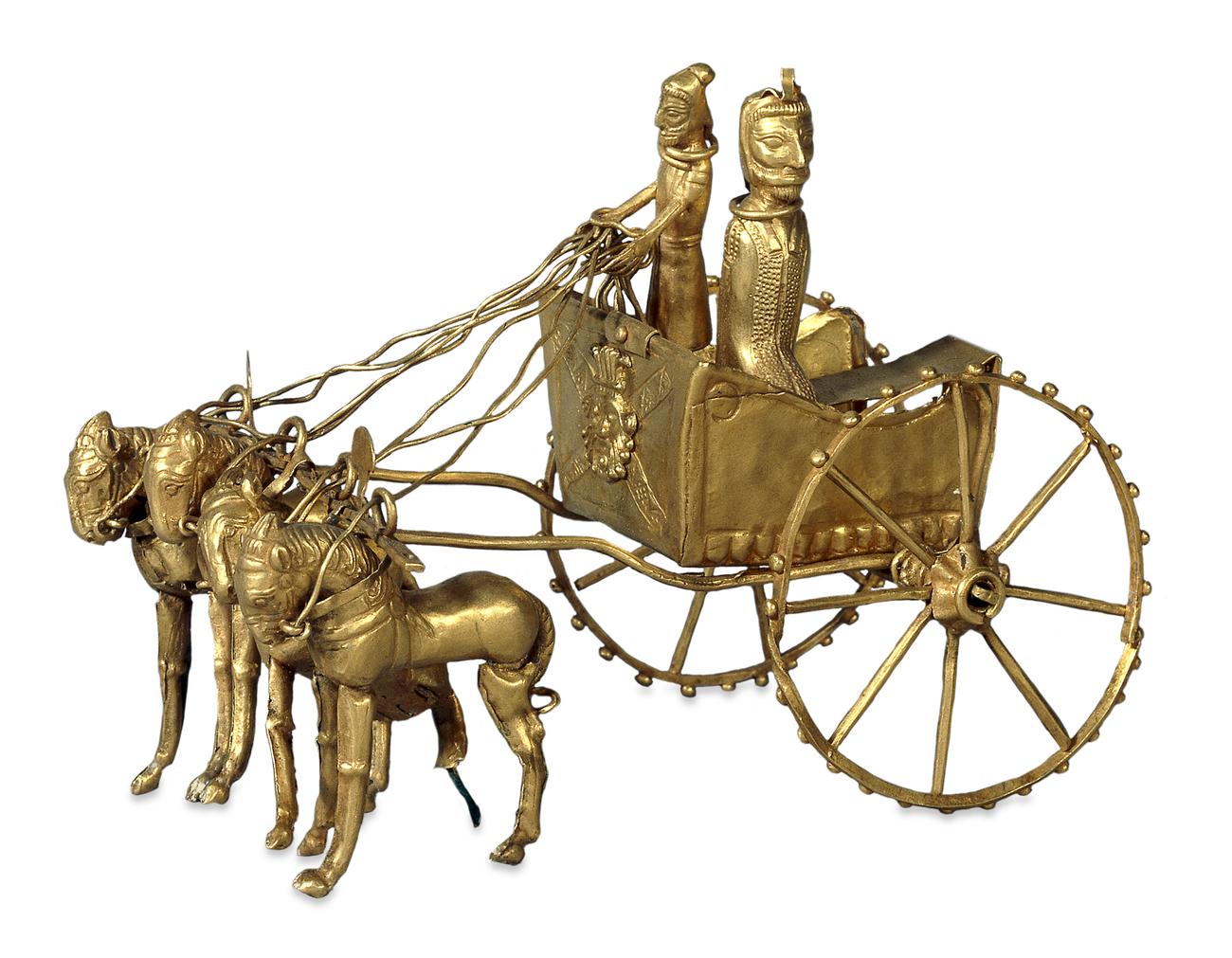
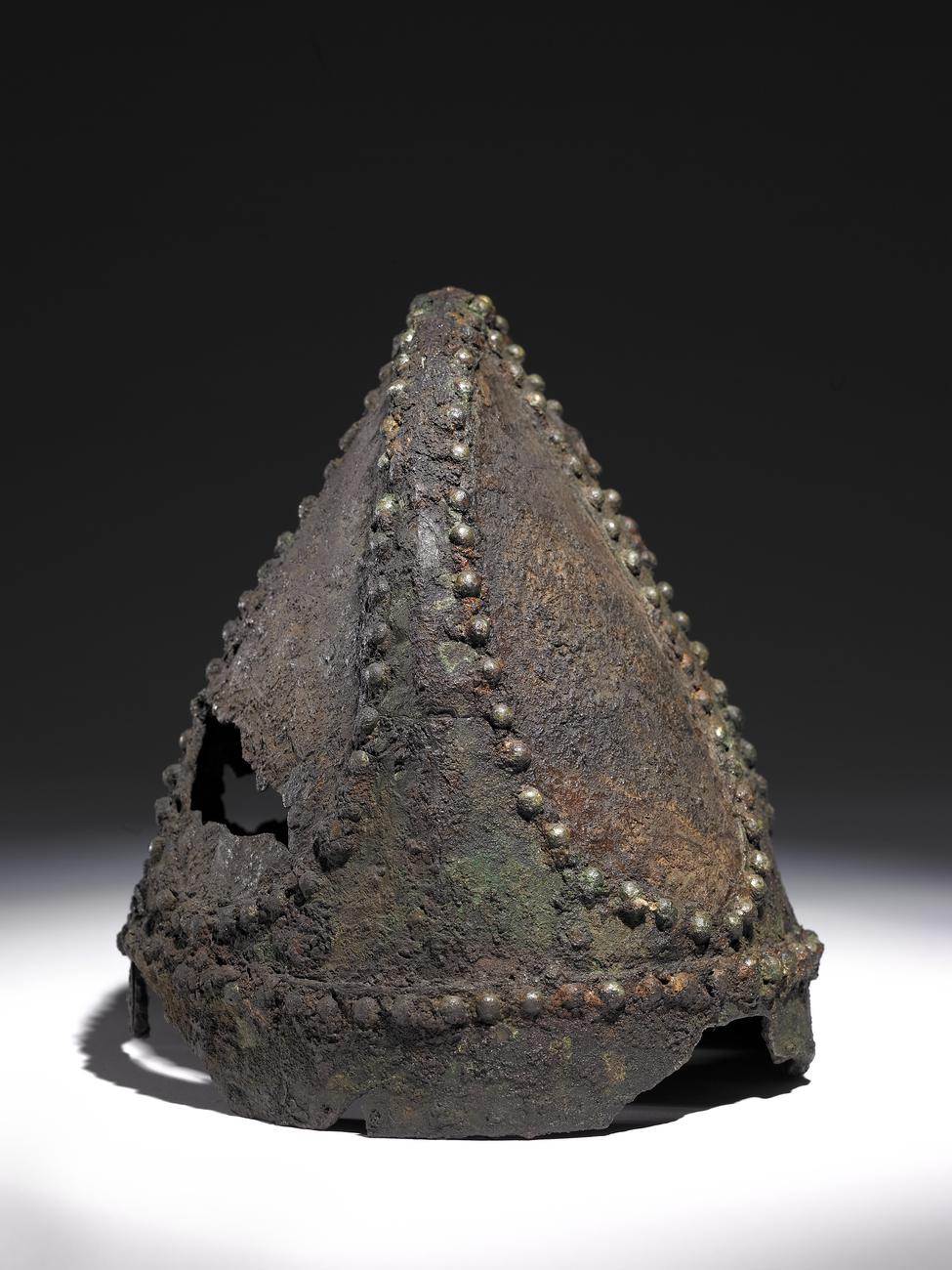
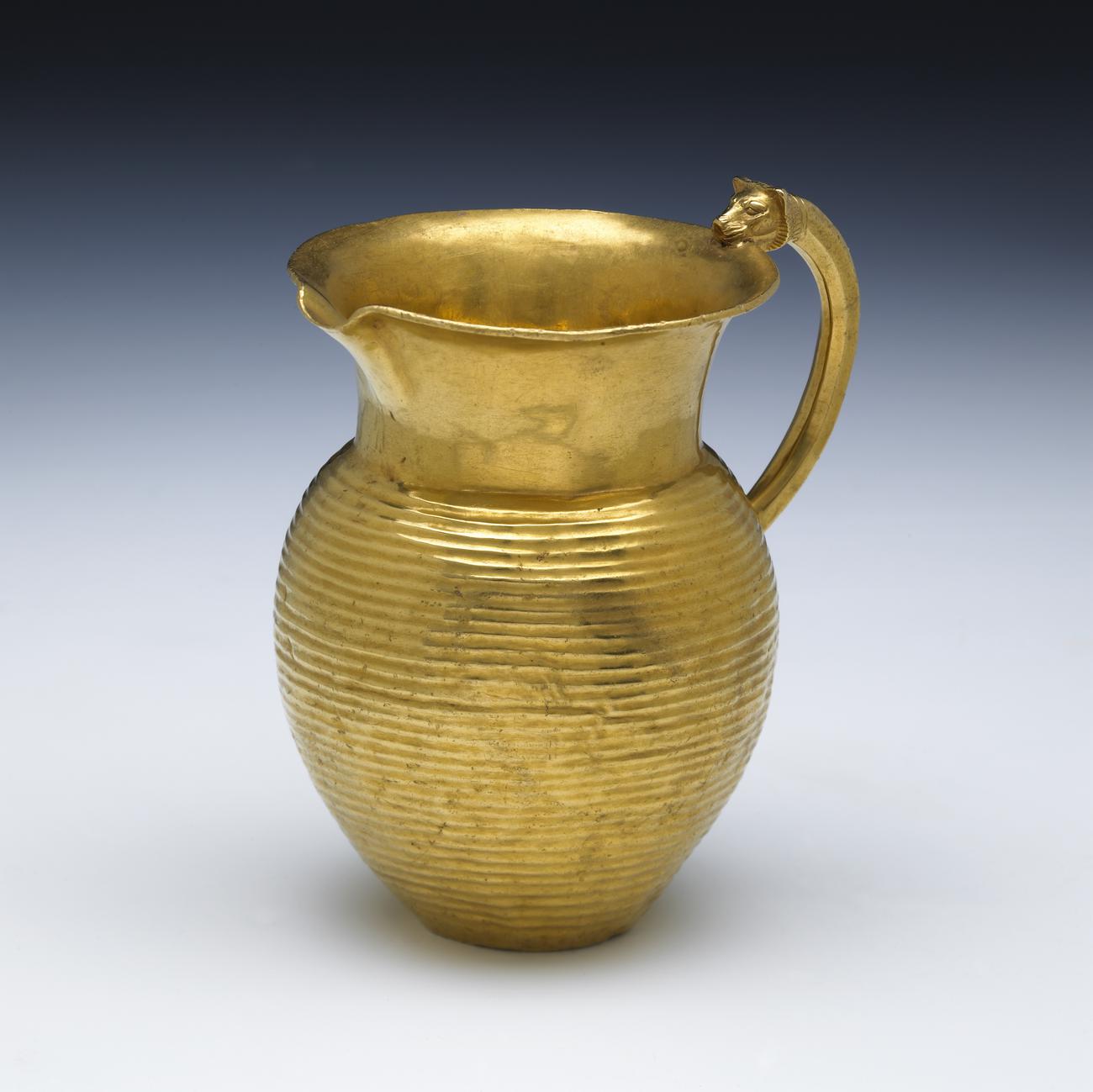
In front of you is a group of ancient bronze and iron objects known as the "Luristan bronzes," named after the region in western Iran where many of them were reportedly found. These items span several centuries, from the early Bronze Age to the Iron Age, and include weapons, tools, decorations, and domestic objects. They offer a rare glimpse into the metalworking traditions and artistic sensibilities of ancient Luristan.
Among these pieces, you might notice a dagger with striking serpent motifs on its hilt, a symbol of craftsmanship from this region. This design echoes styles found in ancient Elamite art. Nearby is a beautifully shaped copper pin decorated with a crouching lion—a common motif in Luristan metalwork. Another standout is a spouted vessel, engraved with intricate patterns that suggest its use in daily life or ritual.
The group reflects a shared artistic language and function, often involving animals as central themes. These objects may have served practical purposes, but they are also rich in visual symbolism. Their survival over millennia allows us to appreciate the creativity and skill of ancient Iranian artisans.
See it in person
Luristan bronzes is on display in Room 52 at the British Museum on Great Russell Street, Bloomsbury, London — free to enter. Choose British Museum on audioguide.london and type its audio guide stop number, 426, from the gallery label, or take a photo of it, to hear this free audio guide in six languages — no app download needed.
New, in beta. British Museum support has just launched and is still improving: over 1,000 objects so far, with more added all the time.