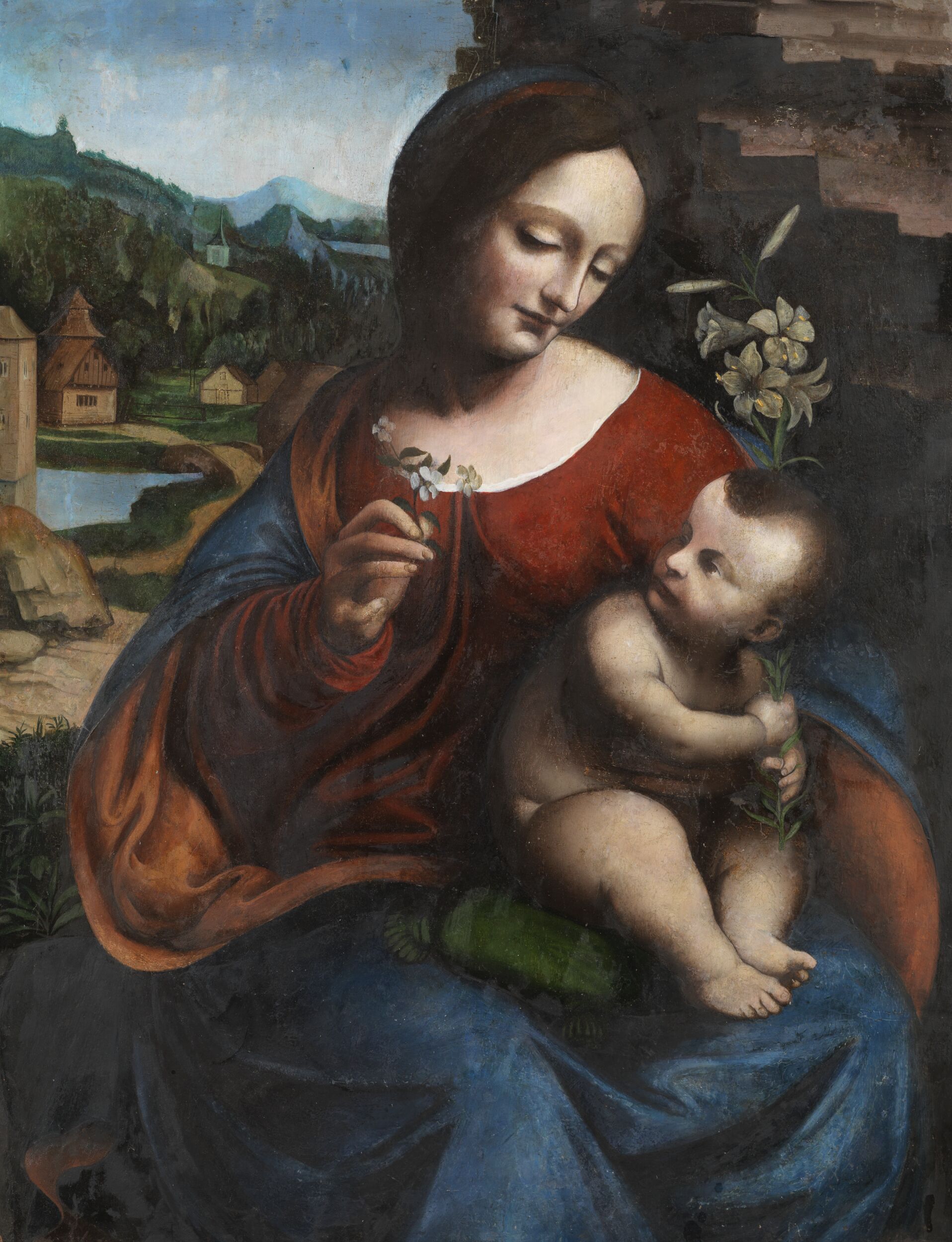
Virgin and Child with a Lily
- Artist: Giampietrino
- Date: (circa) 1510 - 1520
- Medium: oil on panel
- Museum: The Courtauld Gallery
- Collection record: The Courtauld Gallery website
Listen to the free audio guide
In the museum now? Point your phone at the next artwork and hear its guide.
About this artwork
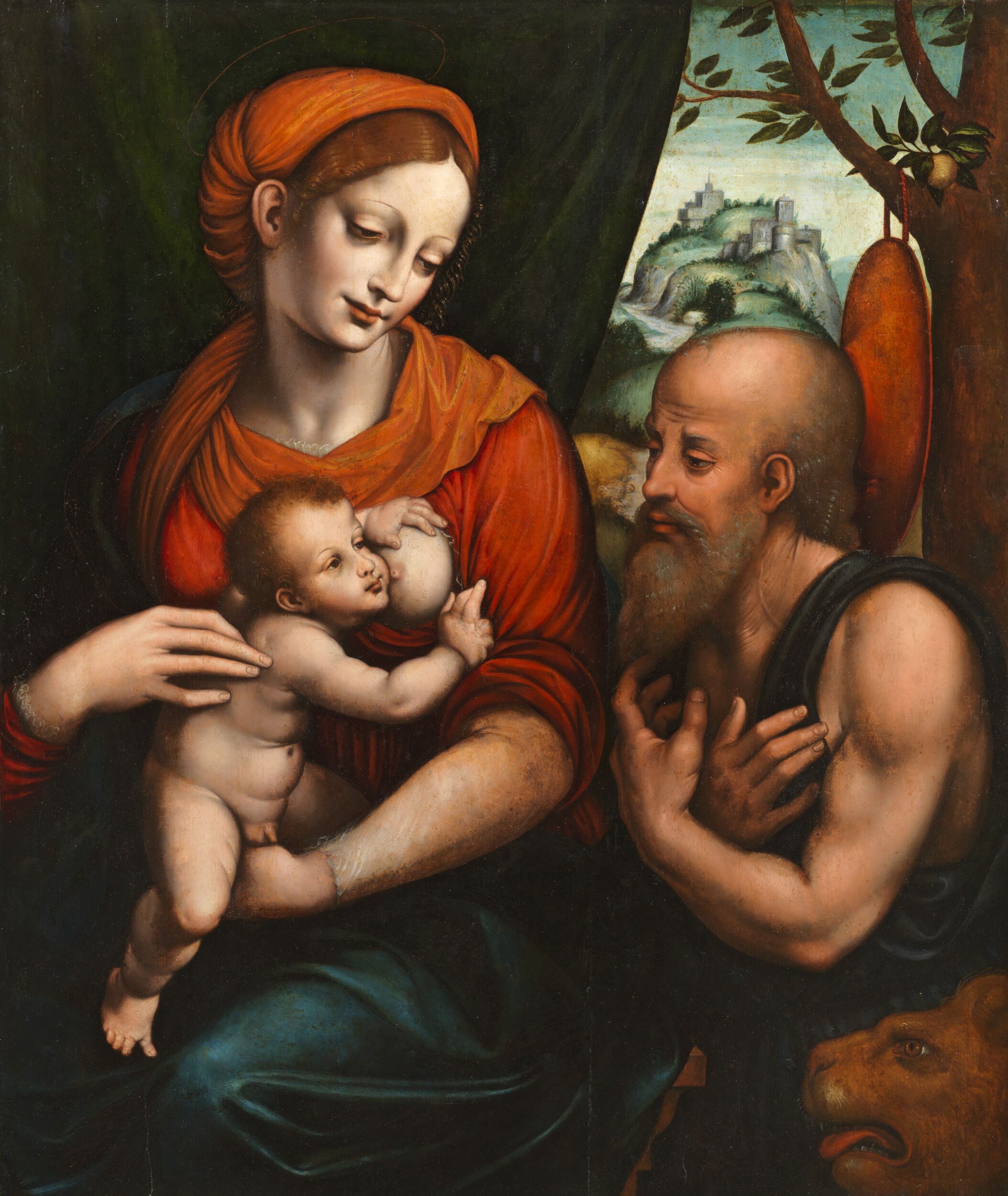
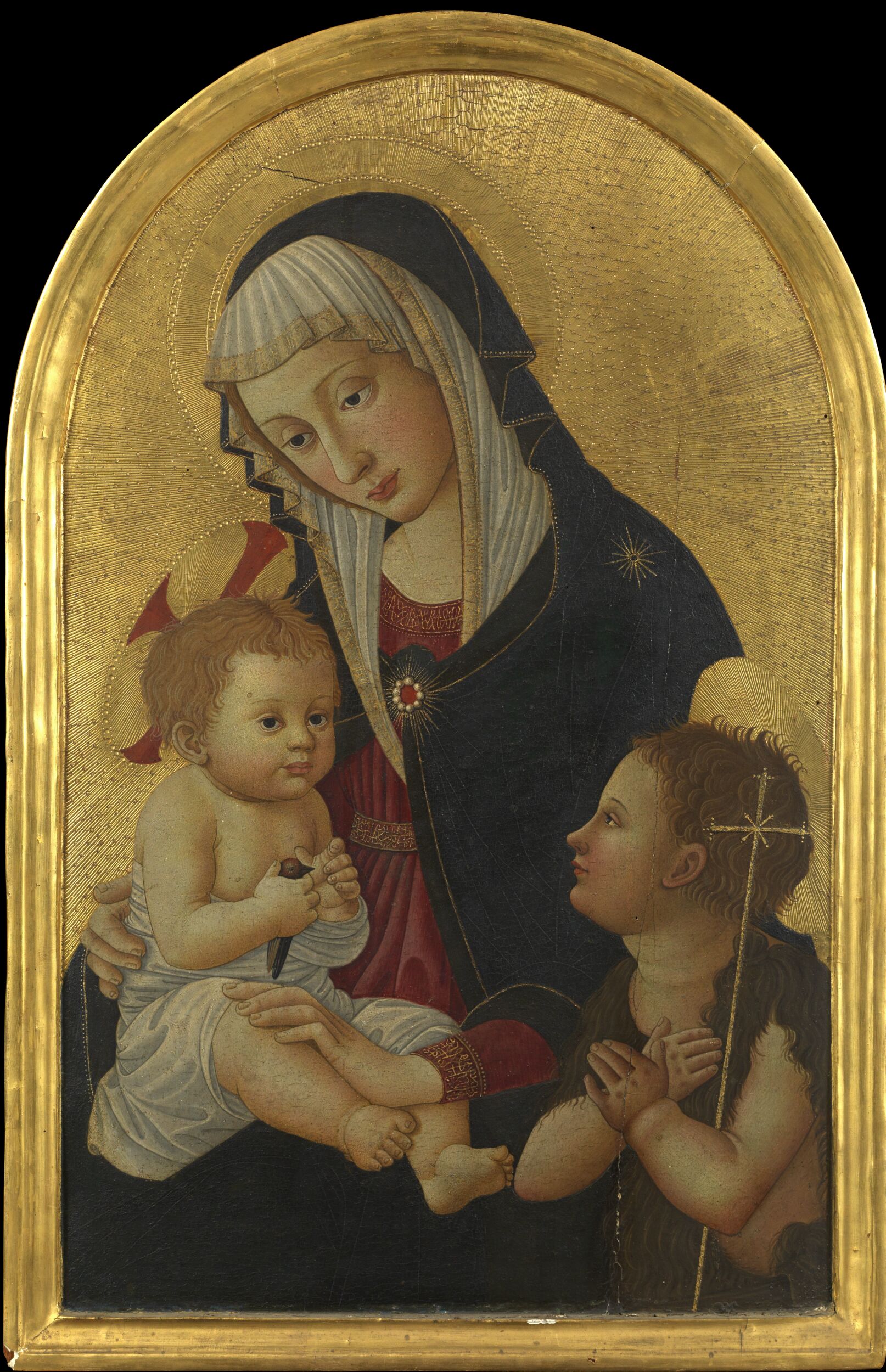
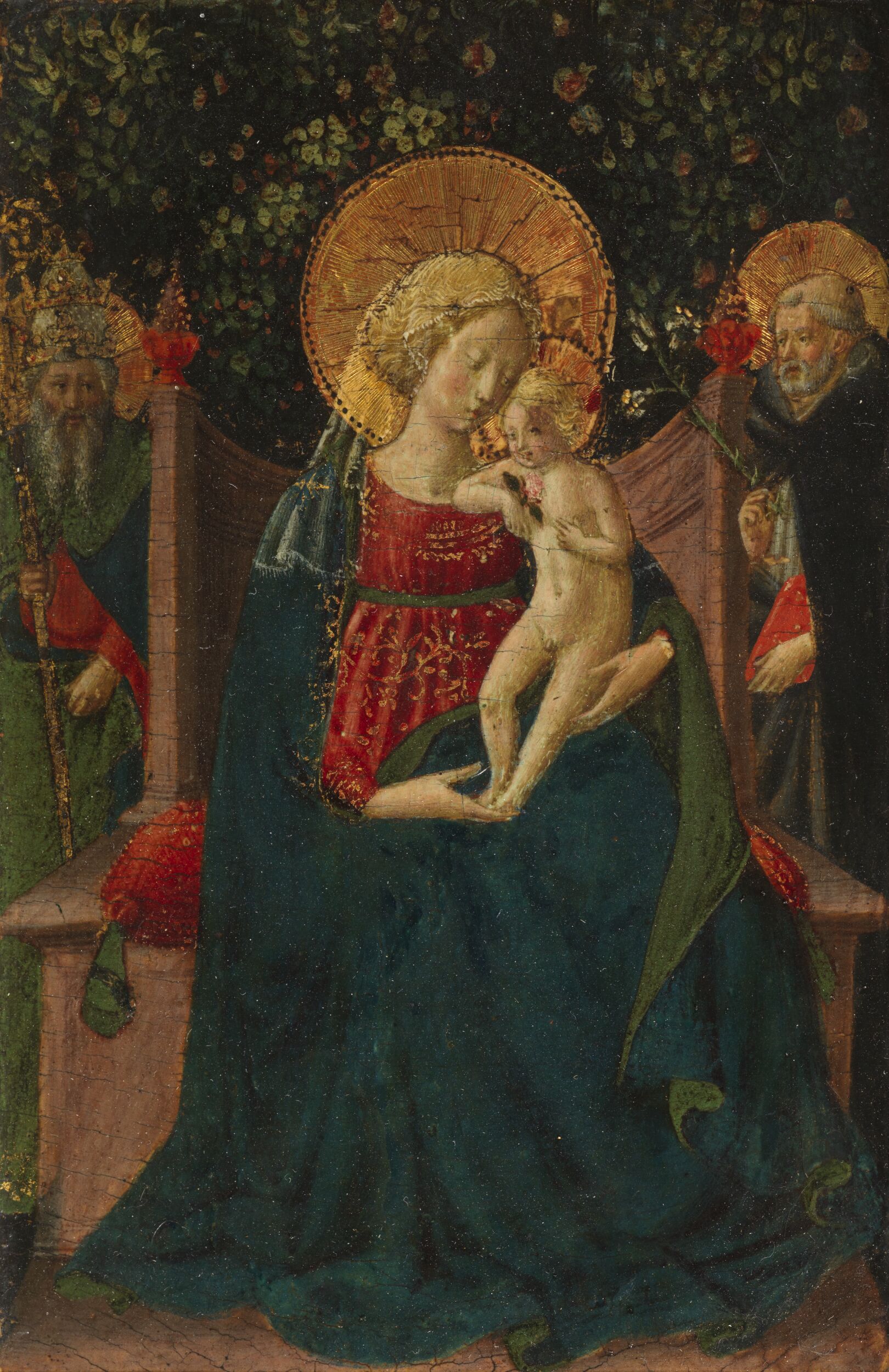
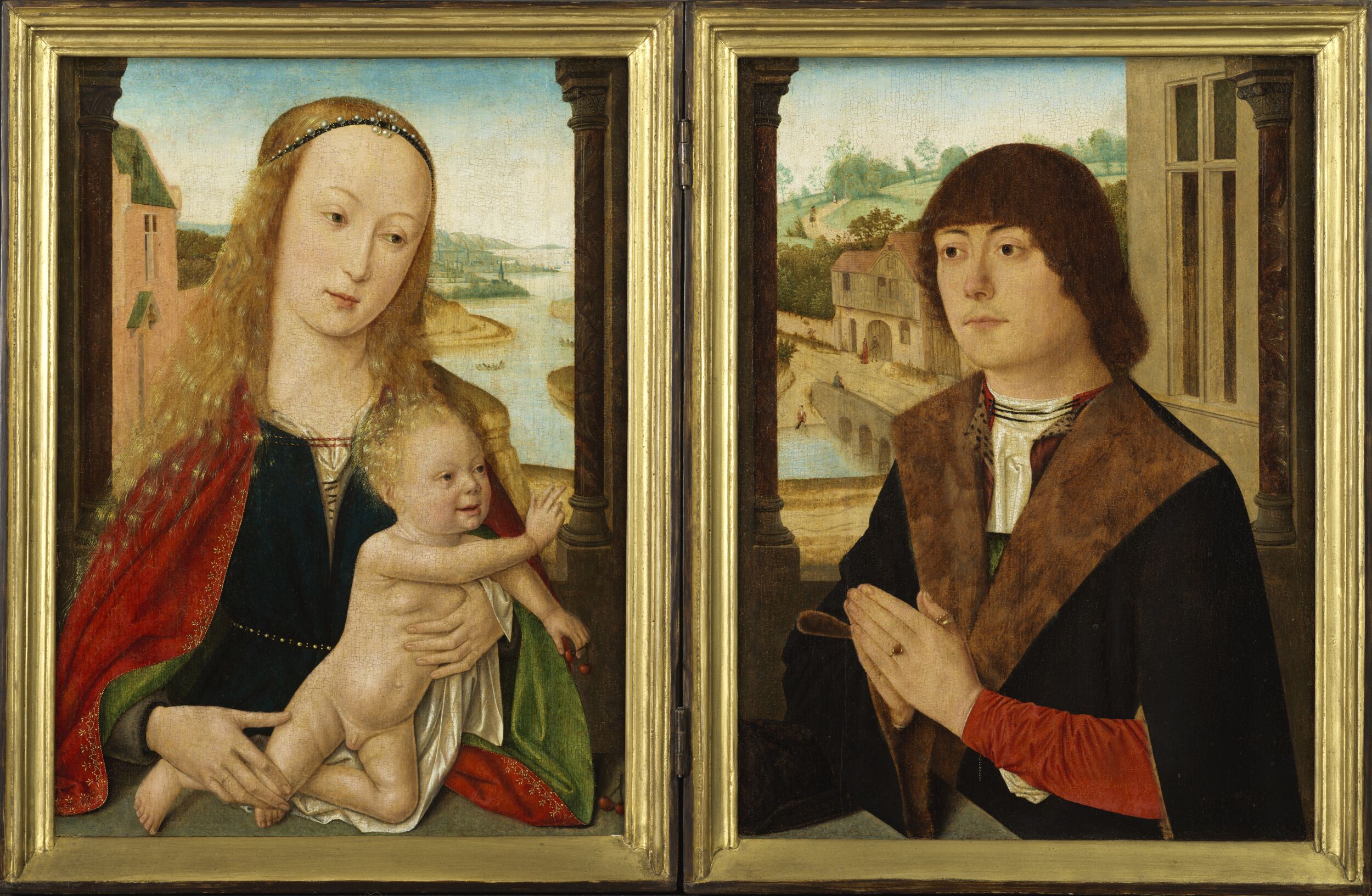
This is the Virgin and Child with a Lily by Giampietrino. The painting dates to around 1510‑1520, a period when the High Renaissance was reaching its zenith in Italy. Giampietrino, a pupil of Raphael, brings a softer, more intimate touch to the scene than his master’s often grander compositions.
The Virgin sits in a serene, almost ethereal setting, her gaze directed gently toward the infant. The child holds a lily, a classic symbol of purity and divine grace, and its white petals contrast beautifully against the muted blues and greens that frame them. The oil on panel technique gives the surface a subtle sheen, enhancing the delicate play of light across the figures’ robes and skin.
Notice the delicate folds in the drapery, rendered with precise, almost lace‑like brushwork—a hallmark of Giampietrino’s style. The background is intentionally vague, drawing focus entirely to the tender interaction between mother and child. The use of color is restrained yet purposeful: cool tones for the Virgin’s mantle, warm earth tones for the child, and the white lily as a bright focal point.
Overall, this work exemplifies the gentle, devotional mood that characterized many northern Italian paintings of the early 16th century. It invites viewers into a quiet moment of reflection, reminding us of the timeless themes of motherhood and purity that have resonated across centuries.
See it in person
Virgin and Child with a Lily hangs in The Courtauld Gallery at Somerset House, London. Point your phone at any artwork there and audioguide.london plays a free audio guide in six languages — no app download needed.