Virgin and Child (after Leonardo da Vinci)
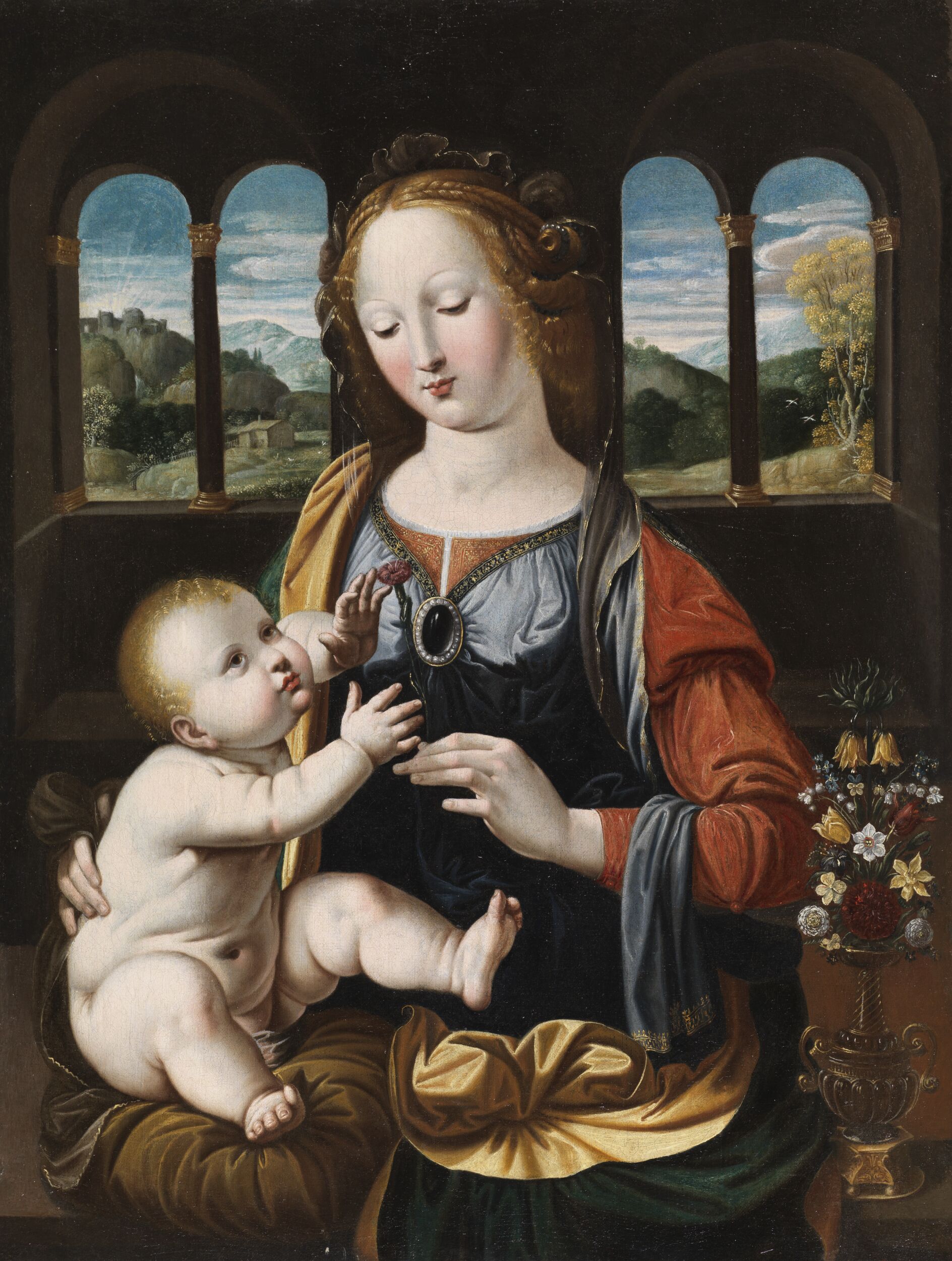
- Artist: Johann König
- Date: (before) 1614
- Medium: oil on canvas stuck down on poplar panel
- Museum: The Courtauld Gallery
- Collection record: The Courtauld Gallery website
Listen to the free audio guide
In the museum now? Point your phone at the next artwork and hear its guide.
About this artwork
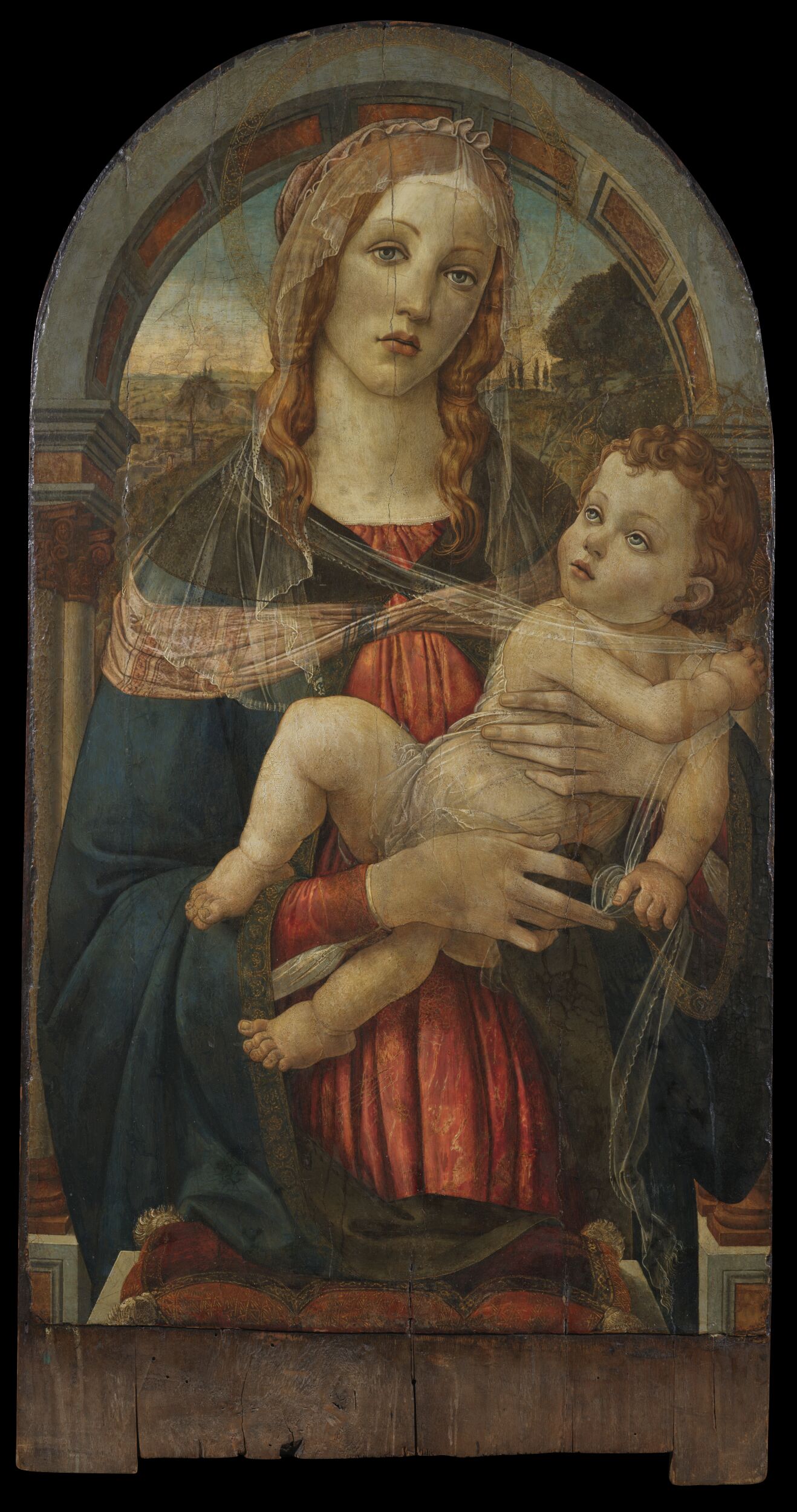
This is the Virgin and Child (after Leonardo da Vinci) by Johann König. The piece dates to before 1614, placing it firmly in the early 17th‑century German school. König worked in oil on canvas, but he affixed the painted surface to a poplar panel, a technique that gives the painting a subtle depth and a slightly warm, almost translucent quality.
The composition mirrors Leonardo’s classic depiction: the infant Jesus rests gently in the Virgin’s lap, a serene expression on both faces. König’s brushwork is meticulous, yet he injects his own touch of softness, especially in the flowing folds of Mary’s robe. The light comes from the left, illuminating the tender interaction and casting gentle shadows that add a three‑dimensional feel to the scene.
What’s remarkable is how König balances fidelity to Leonardo’s iconography with his own regional flair. The color palette is restrained—earthy browns, muted greens, and a subtle splash of gold in the Virgin’s veil—creating a harmonious, almost meditative atmosphere. The painting’s small scale invites a close, personal observation, letting you appreciate the fine details of the hands, the subtle play of light, and the delicate textures of the fabric.
Overall, König’s work is a thoughtful homage to Leonardo, filtered through the sensibilities of a German artist of the Baroque era, making it both familiar and distinctly unique.
See it in person
Virgin and Child (after Leonardo da Vinci) hangs in The Courtauld Gallery at Somerset House, London. Point your phone at any artwork there and audioguide.london plays a free audio guide in six languages — no app download needed.