Virgin and Child
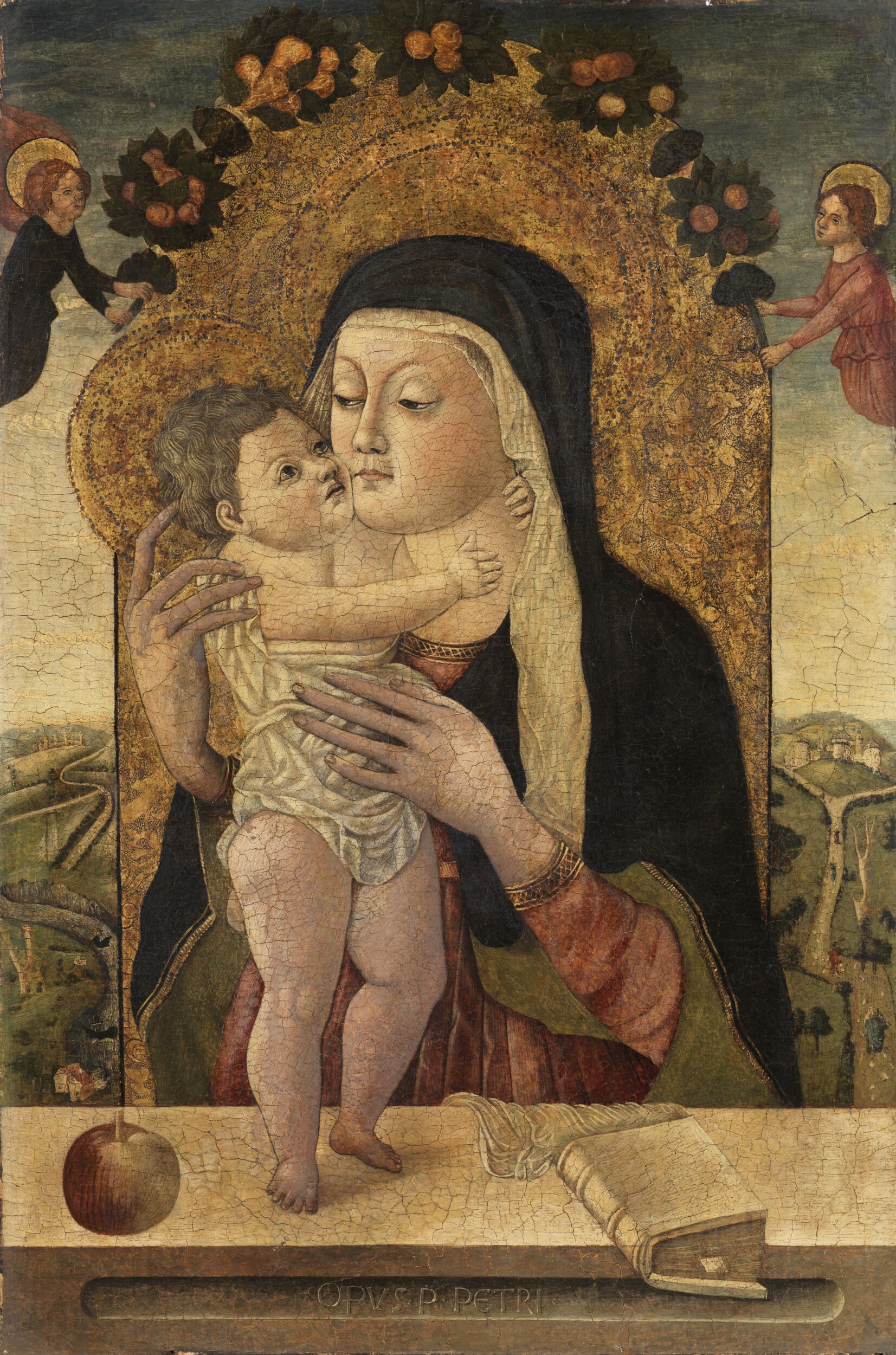
- Artist: Master P. Petrus (Artists)act. late 15th century (Life dates)
- Date: (circa) 1470 - 1500
- Medium: tempera on panel
- Museum: The Courtauld Gallery
- Collection record: The Courtauld Gallery website
Listen to the free audio guide
In the museum now? Point your phone at the next artwork and hear its guide.
About this artwork
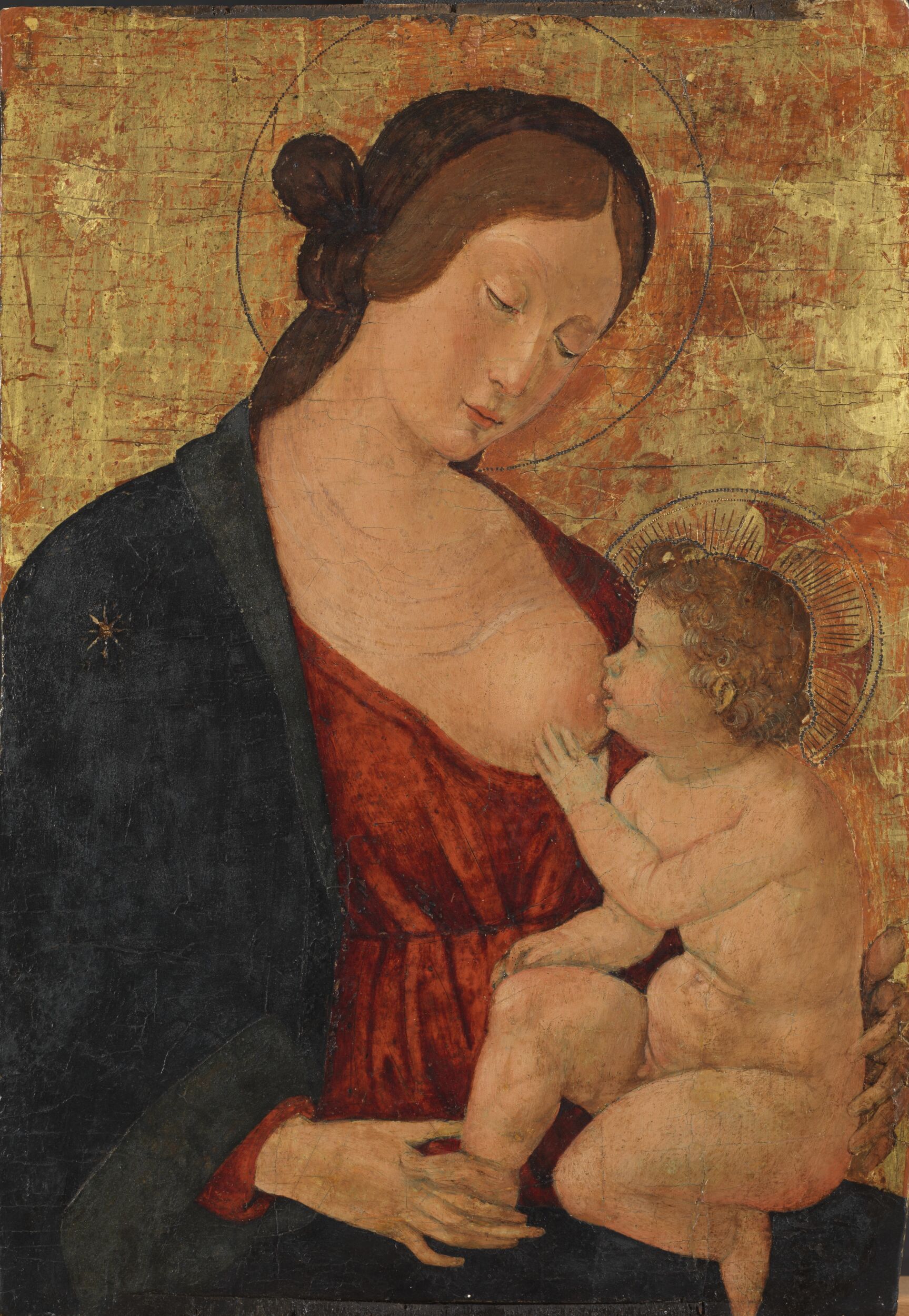
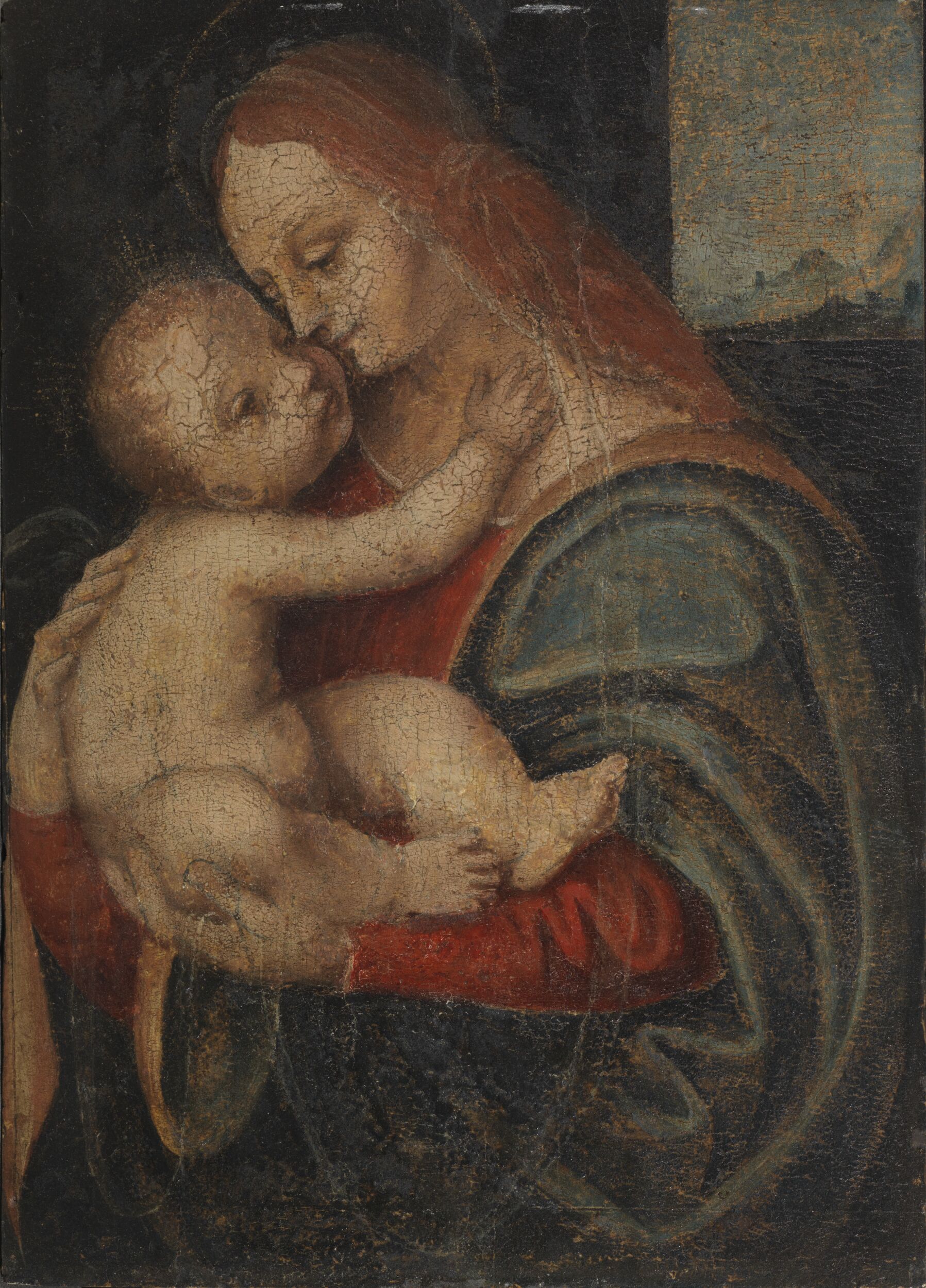
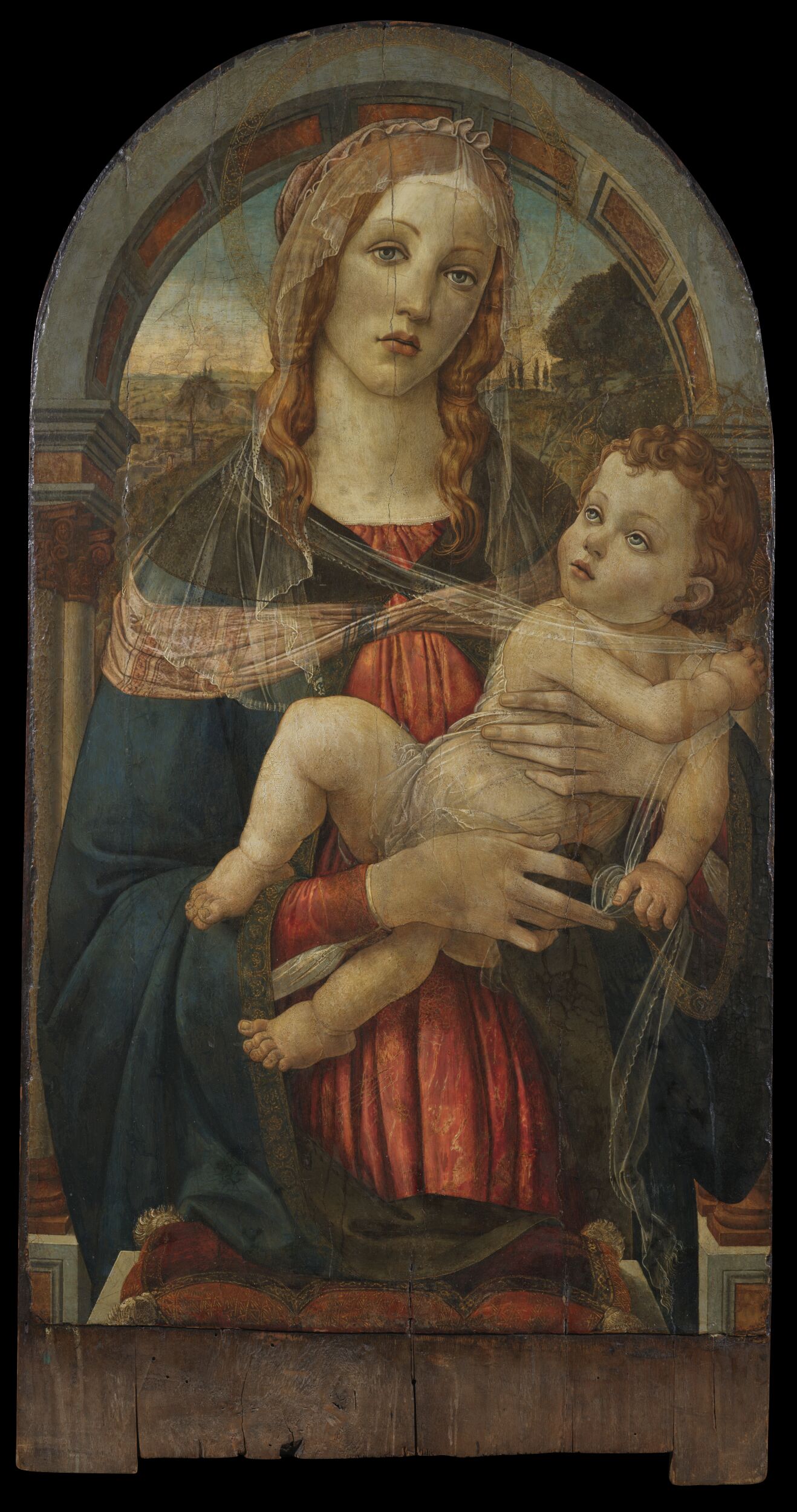
This is the Virgin and Child by Master P. Petrus, a hand that flourished in the late fifteenth century, around 1470‑1500. The work is executed in tempera on panel, a medium that lends a luminous, almost glassy quality to the figures. The artist has chosen a serene composition: Mary reclines in a humble domestic setting, her gaze meeting the infant’s in a moment of tender intimacy. The soft, almost translucent flesh tones of the child are balanced by the gentle, cool palette of the Virgin’s dress, which echoes the restrained elegance typical of Northern European panel paintings of the era.
Notice how Petrus uses delicate brushwork to render the folds of fabric, creating a subtle play of light and shadow that gives depth to the scene without overwhelming it. The background is intentionally sparse, focusing attention on the central figures and reinforcing the devotional mood. Even without lavish ornamentation, the painting conveys a quiet devotion that would have resonated with contemporary viewers.
In terms of iconography, the Virgin’s gesture of offering the child to the viewer invites participation, while the infant’s small hands gesture at a sense of promise and hope. Master P. Petrus successfully captures the spiritual and human qualities of this classic subject, making the Virgin and Child a compelling example of late‑Renaissance tempera painting.
See it in person
Virgin and Child hangs in The Courtauld Gallery at Somerset House, London. Point your phone at any artwork there and audioguide.london plays a free audio guide in six languages — no app download needed.