Virgin and Child
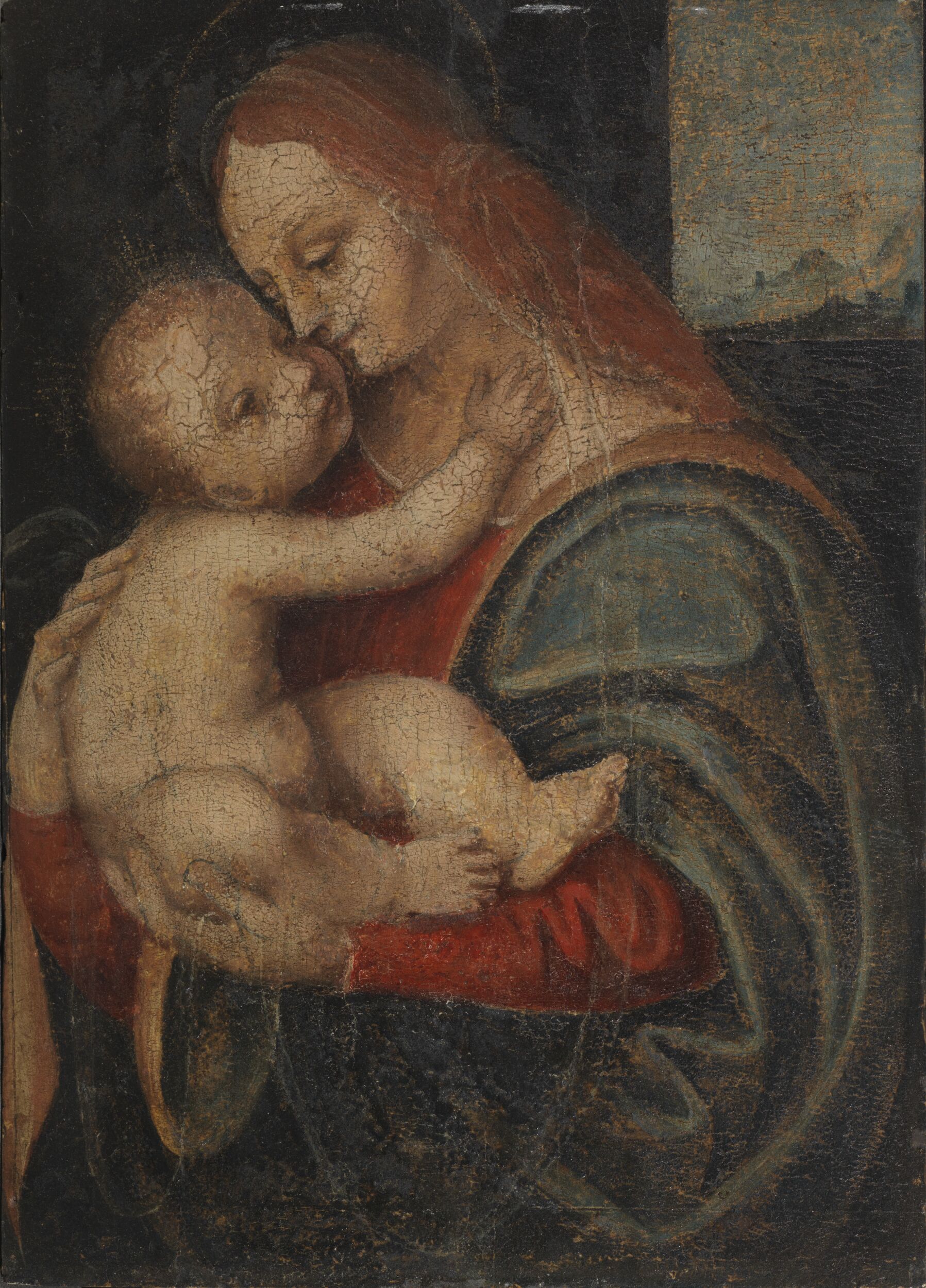
- Artist: Italy 15th century
- Date: (15th century) 1400 - 1499
- Medium: unidentified paint surface on panel
- Museum: The Courtauld Gallery
- Collection record: The Courtauld Gallery website
Listen to the free audio guide
In the museum now? Point your phone at the next artwork and hear its guide.
About this artwork
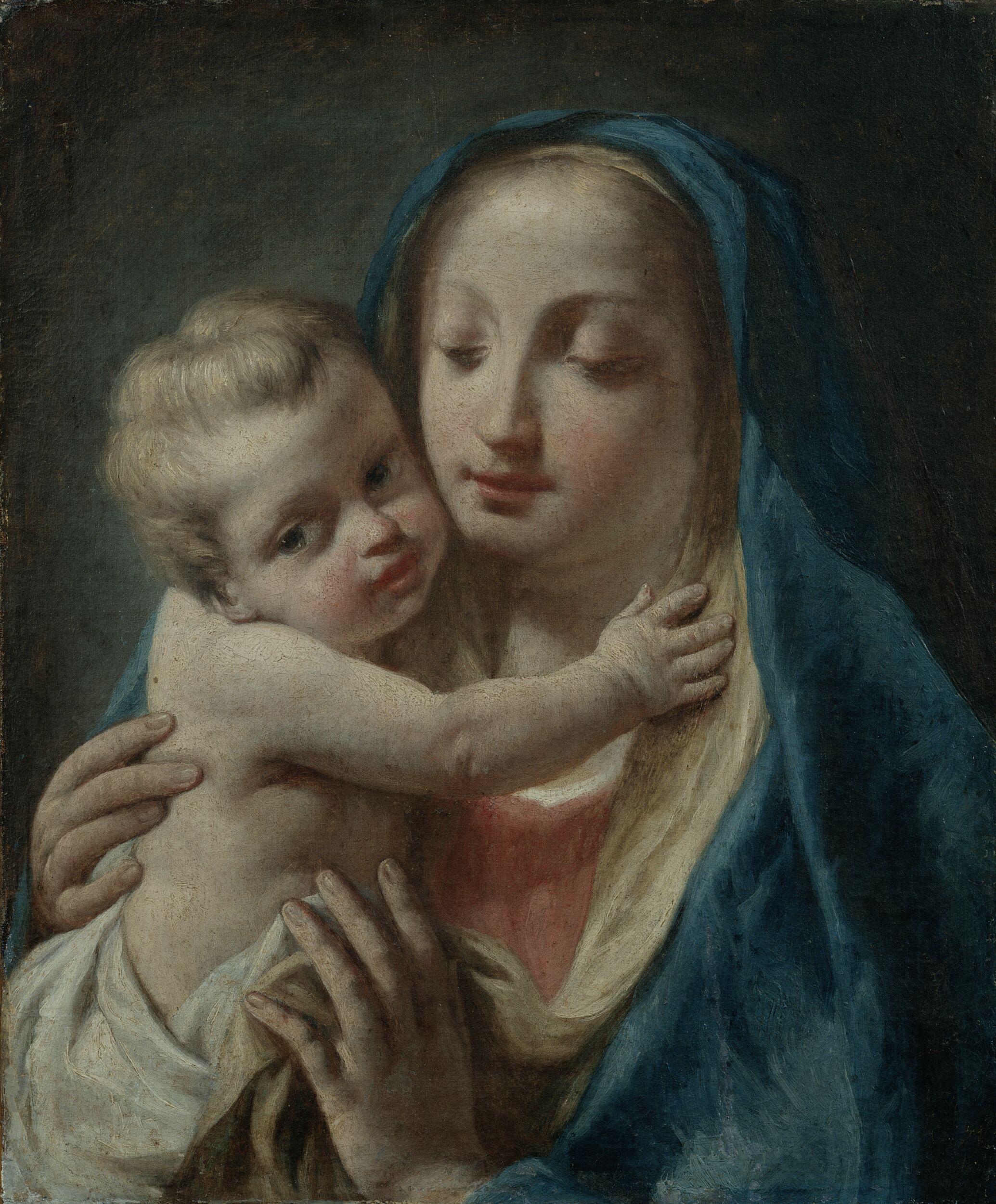
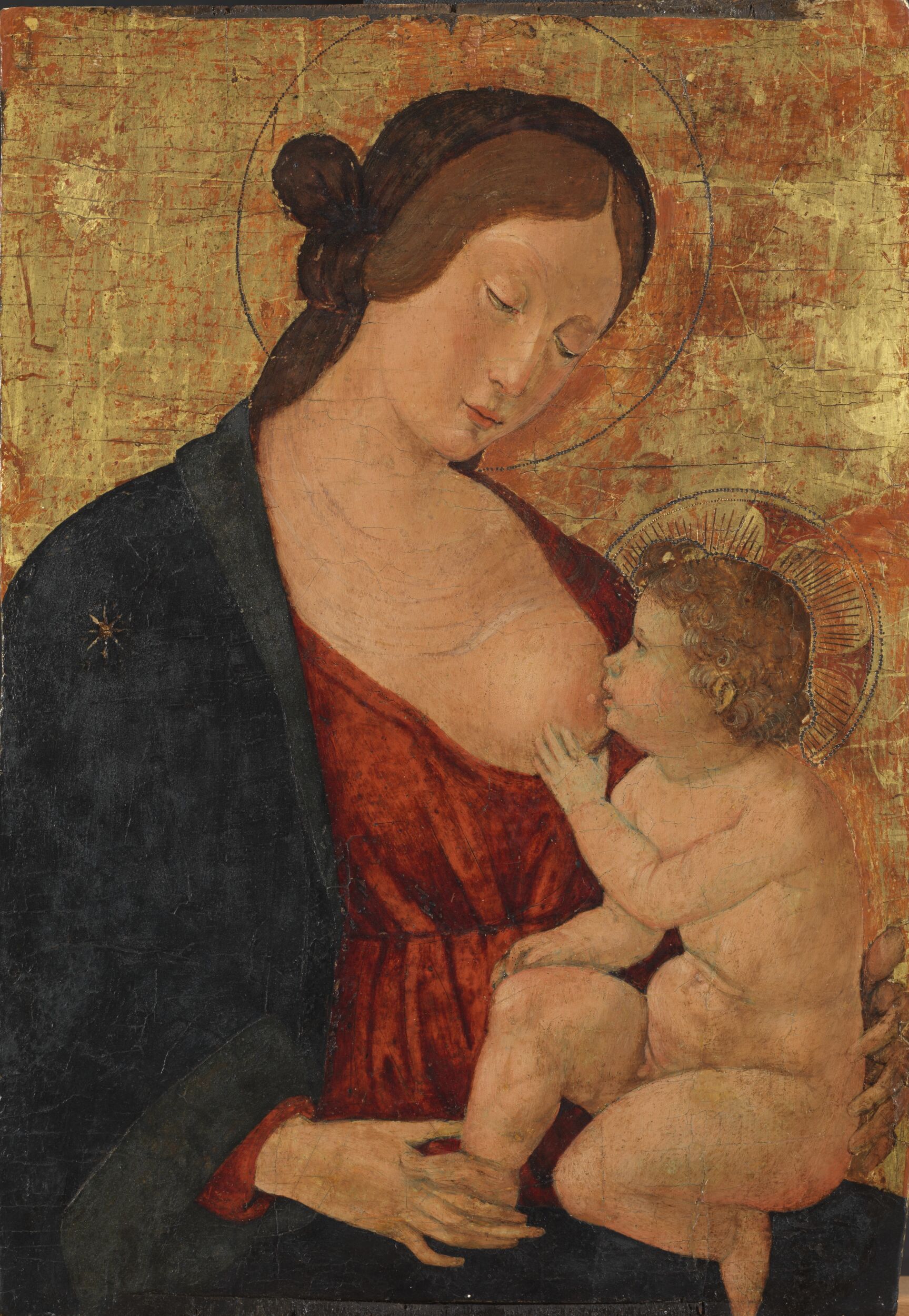
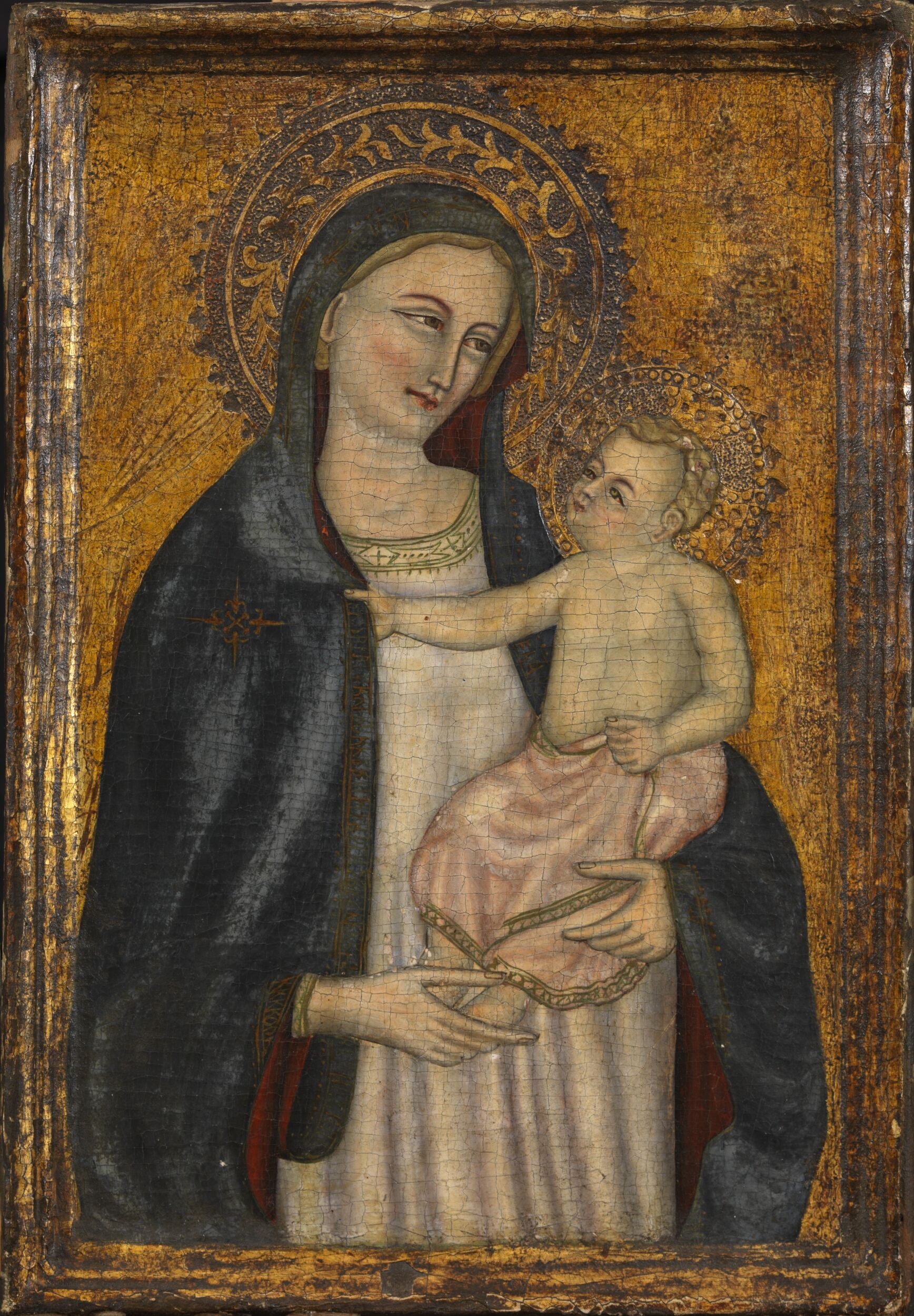
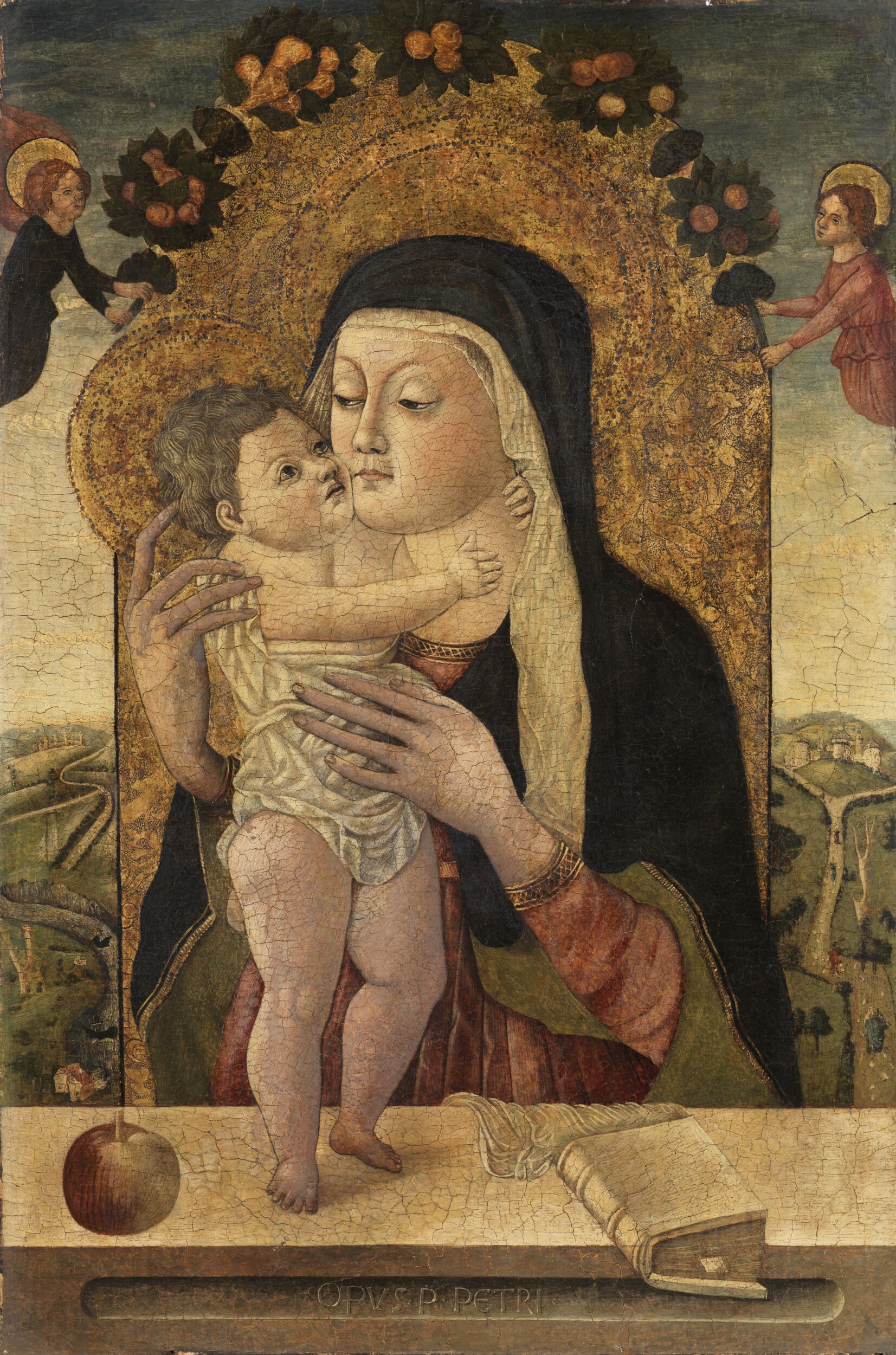
This is the “Virgin and Child,” a 15th‑century Italian panel painting that captures the tender intimacy between mother and son. Even though the exact artist isn’t known, the work shows the early Renaissance shift toward more realistic, humanized figures. The Virgin is seated, her robes softly draped, her gaze gently fixed on the infant who rests against her chest, a small gesture of closeness that speaks to devotional warmth.
The painting uses paint on an unidentified panel surface, a common medium in 1400‑1499 Italy. The brushwork is delicate, with subtle tonal shifts that give depth to the fabrics and flesh. Light falls from a higher angle, creating a quiet glow that highlights the Virgin’s face and the Christ child’s gentle expression. The background is minimal—often a dark or monochrome wash—allowing the viewer to focus entirely on the central figures.
Iconographically, this scene is a staple in Italian religious art. It serves both as a personal meditation and a communal symbol of divine love. The composition, with its balanced proportions and serene mood, reflects the period’s growing interest in naturalism and human emotion. This piece invites viewers to pause and reflect on the timeless bond it portrays, making it a quintessential example of early Renaissance devotional art.
See it in person
Virgin and Child hangs in The Courtauld Gallery at Somerset House, London. Point your phone at any artwork there and audioguide.london plays a free audio guide in six languages — no app download needed.