Self-Portrait
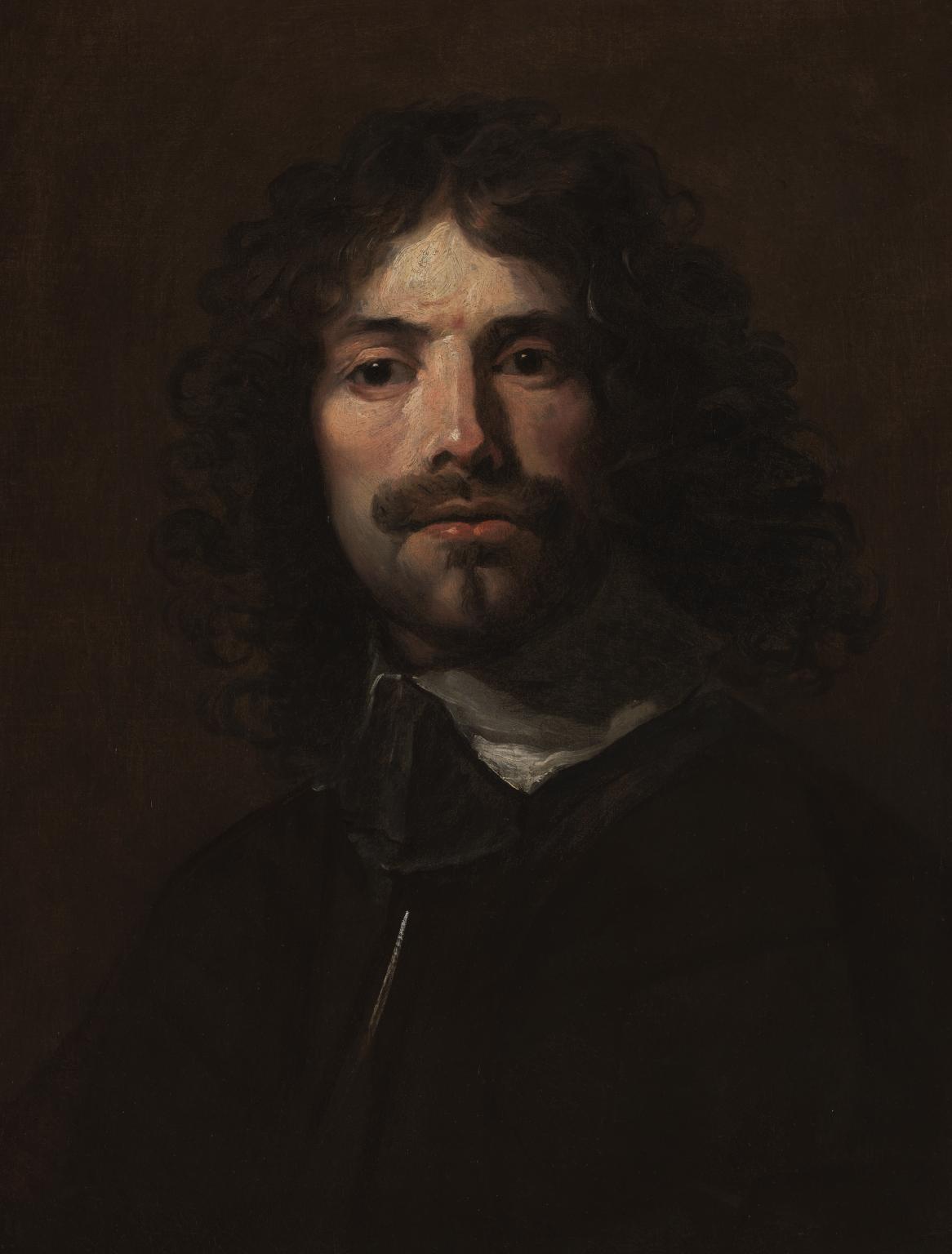
- Artist: William Dobson
- Date: c.1639
- Medium: Oil paint on canvas
- Dimensions: support: 623 × 474 mm
- Museum: Tate Britain
- Collection record: Tate Britain website
Listen to the free audio guide
About this artwork
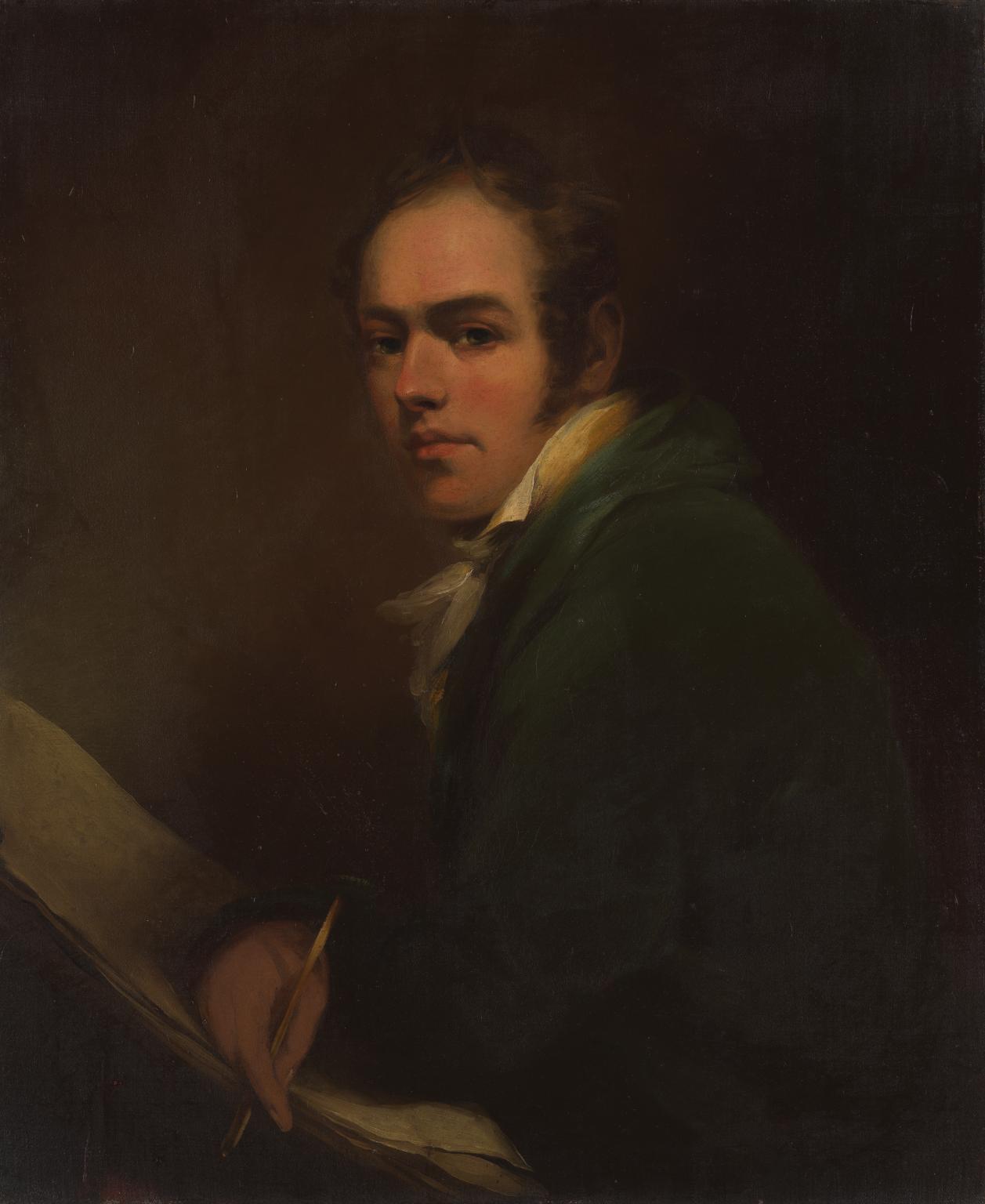
This is the “Self‑Portrait” by William Dobson, painted around 1639. It’s a small oil on canvas that gives us a glimpse into a young artist’s world before he became a court painter. Notice the thick impasto and the rapid shifts from light to dark—Dobson was working quickly, almost like a sketch on a canvas. The texture is rough, giving the portrait a raw, almost unfiltered feel.
Dobson’s hair is messy and unruly, a deliberate break from the polished, self‑assured poses of Anthony van Dyck, whom he was often compared to. Here, the boy‑ish face and the honest, almost self‑conscious gaze suggest a private commission, perhaps a personal study rather than a public display.
The dramatic lighting hints at Caravaggio’s influence, while the rawness of the brushwork shows a willingness to experiment. It’s one of Dobson’s earliest attributable works, so you’re seeing the beginnings of a style that would later evolve into more refined portraits. The painting was acquired in 2025, bringing this early British masterpiece into the collection. It’s on display in the Historic and Modern British Art wing, right where you can trace the shift from courtly portraiture to the more candid, introspective approaches that followed.
See it in person
Self-Portrait is in the collection of Tate Britain on Millbank, London — free to enter. Point your phone at any artwork there and audioguide.london plays a free audio guide in six languages — no app download needed.