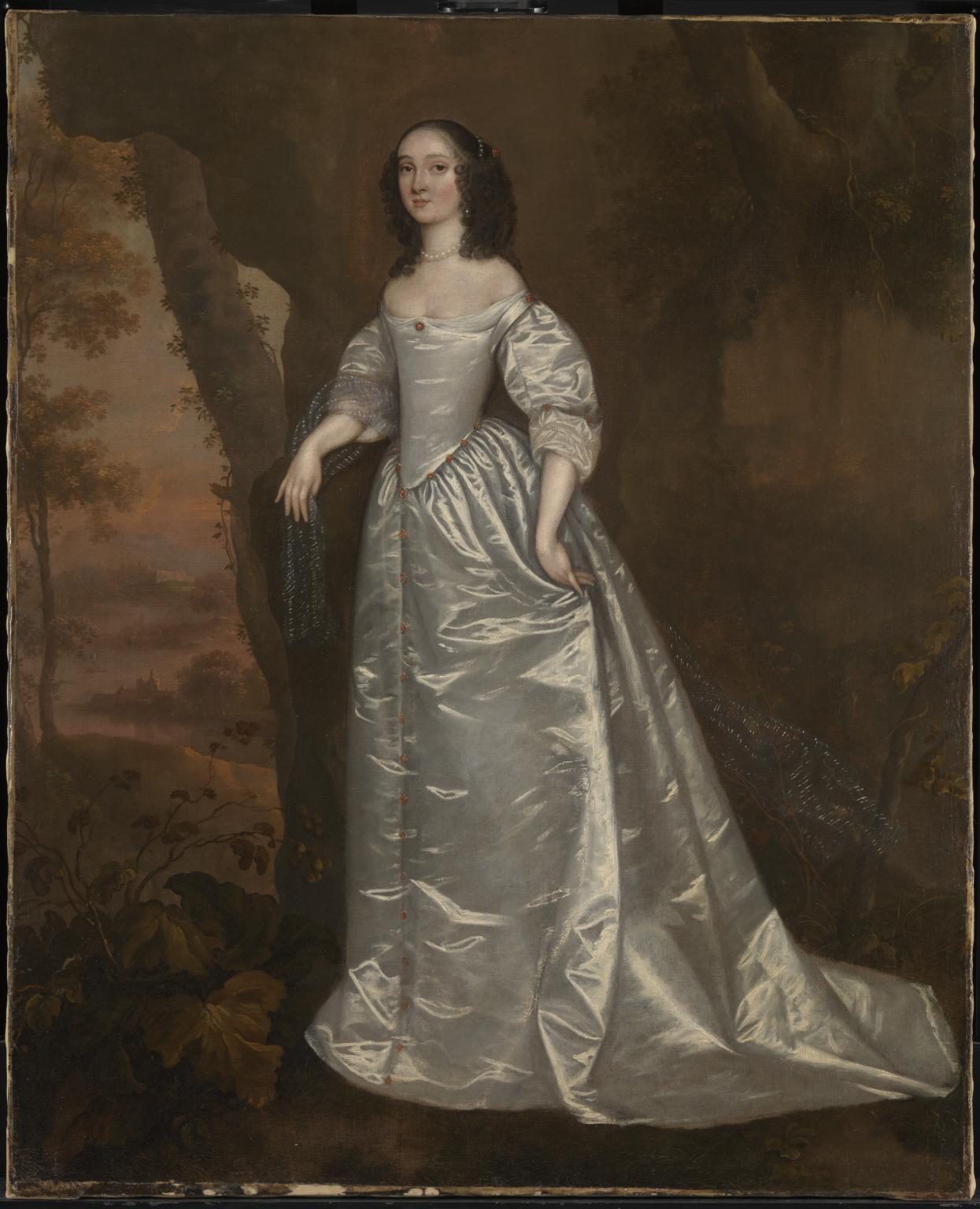
Portrait of an Unknown Lady
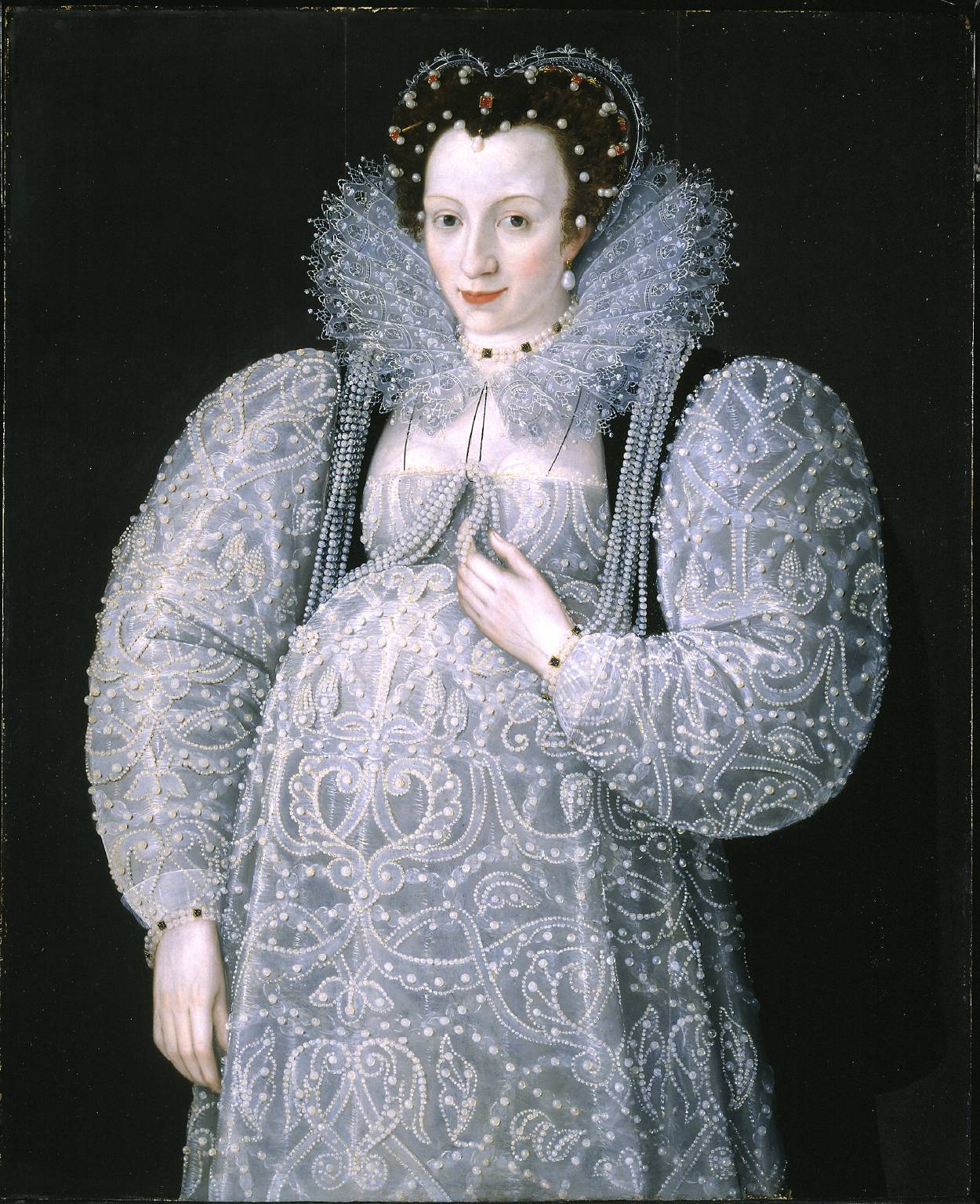
- Artist: attributed to Marcus Gheeraerts II
- Date: c.1595
- Medium: Oil paint on wood
- Dimensions: support: 927 x 760 x 10 mm
- Museum: Tate Britain
- Collection record: Tate Britain website
Listen to the free audio guide
About this artwork
This is the "Portrait of an Unknown Lady" by Marcus Gheeraerts II, painted around 1595. It is an oil on wood panel that captures a pregnant woman in the final stages of her pregnancy, a subject that was surprisingly common in England from the 1560s to about 1630 but is rarely seen in surviving portraits. Gheeraerts, a Flemish‑born artist who made his career in England, was famous for portraiture of the Tudor and Stuart courts; his most celebrated work is the “Ditchley” portrait of Queen Elizabeth I. In this painting the sitter smiles – an unusual choice for the time, when most portraits show a neutral, dignified expression – perhaps to celebrate her role as a bearer of heirs to an elite family.
Her clothing is richly detailed and heavily embroidered with pearls, which at the time symbolised moral purity and monogamy – virtues that were prized in a wife. The pearls also suggest that she belonged to a wealthy, high‑status family. We do not know her name, but the portrait’s lavish attire and the sitter’s confident posture indicate her importance within her social circle. The work is a fascinating glimpse into the cultural expectations surrounding pregnancy, motherhood and purity in late‑sixteenth‑century England.
See it in person
Portrait of an Unknown Lady is in the collection of Tate Britain on Millbank, London — free to enter. Point your phone at any artwork there and audioguide.london plays a free audio guide in six languages — no app download needed.