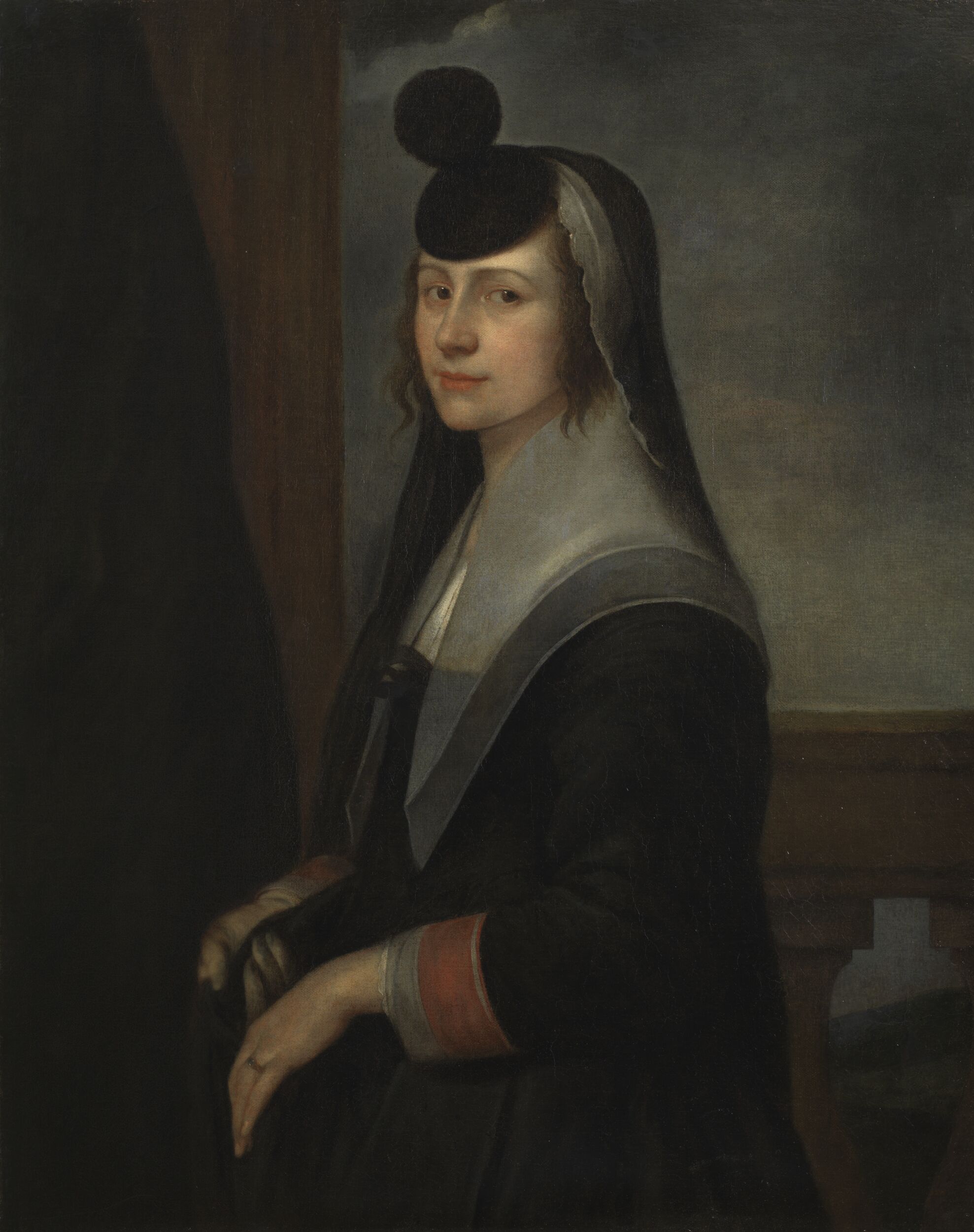
Portrait of a Young Woman
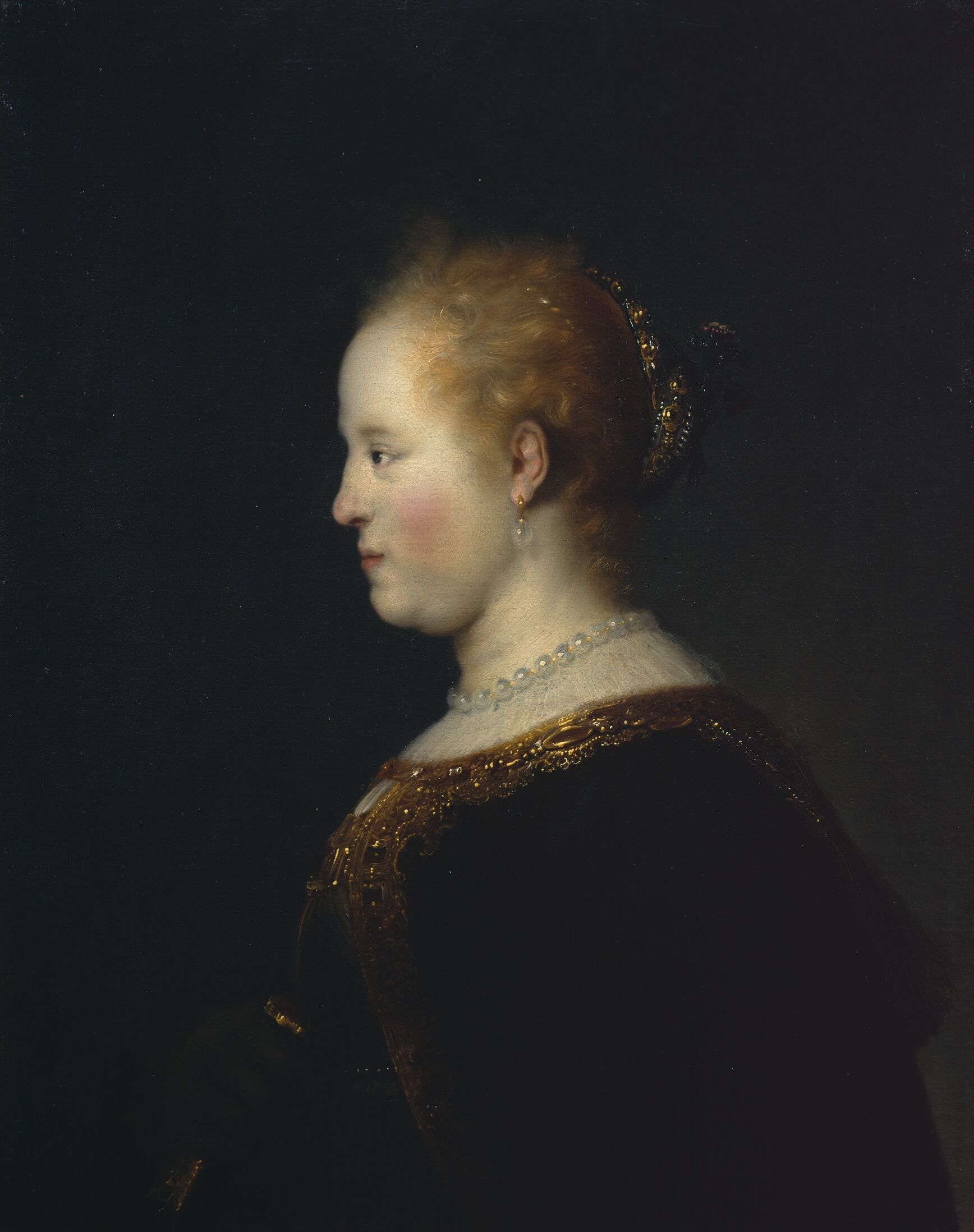
- Artist: Rembrandt Harmensz van Rijn
- Date: (after) 1632
- Medium: oil on canvas
- Museum: The Courtauld Gallery
- Collection record: The Courtauld Gallery website
Listen to the free audio guide
About this artwork
This is the Portrait of a Young Woman by Rembrandt Harmensz van Rijn. Painted after 1632, this oil on canvas exemplifies Rembrandt’s early mastery of light and texture. The sitter’s face is illuminated from a subtle side source, casting gentle shadows that give depth to the soft, almost translucent skin. Rembrandt’s hand is evident in the delicate rendering of the folds of her dress and the faint, almost imperceptible movement in the hair.
What makes this work stand out is how the artist balances realism with an intimate portraiture. The young woman’s eyes are slightly turned, drawing the viewer into a quiet, contemplative moment. The background remains deliberately muted, a subtle graying that lets the subject command the composition. Rembrandt’s use of chiaroscuro—his signature contrast between light and dark—creates a three‑dimensional effect that feels almost tactile, despite the canvas’s flatness.
This painting also showcases Rembrandt’s evolving brushwork. Notice the softer, more fluid strokes around the face and the sharper, more deliberate touches in the fabric. These contrasting techniques highlight his experimentation with texture and light, which would later define his mature style. Overall, the Portrait of a Young Woman offers a glimpse into the early genius of Rembrandt, where technical skill meets subtle human emotion.
See it in person
Portrait of a Young Woman hangs in The Courtauld Gallery at Somerset House, London. Point your phone at any artwork there and audioguide.london plays a free audio guide in six languages — no app download needed.