Moses
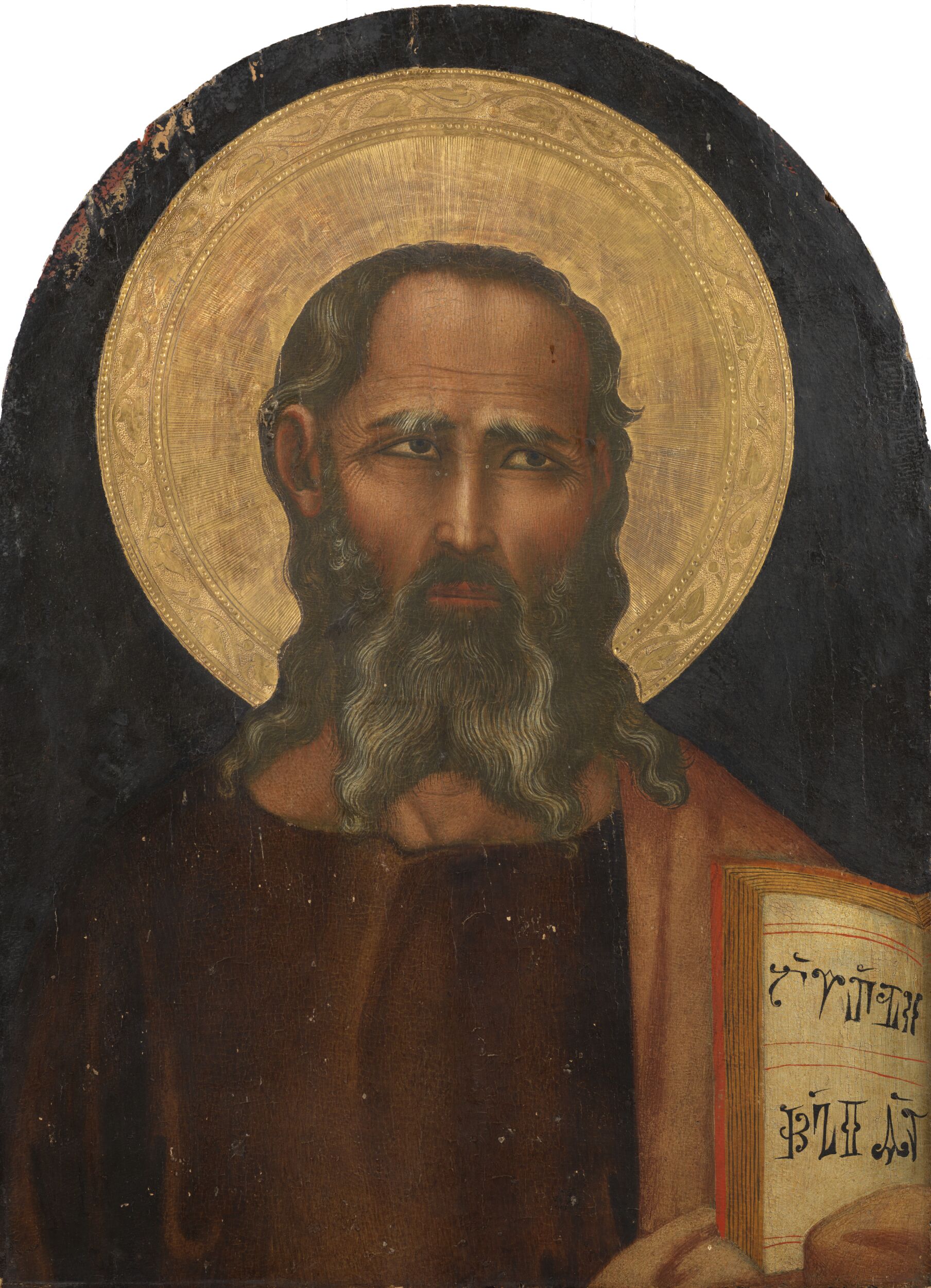
- Artist: Attributed toItaly (Siena) mid-14th century (Artists)
- Date: (circa) 1340 - 1360
- Medium: tempera on panel
- Museum: The Courtauld Gallery
- Collection record: The Courtauld Gallery website
Listen to the free audio guide
About this artwork
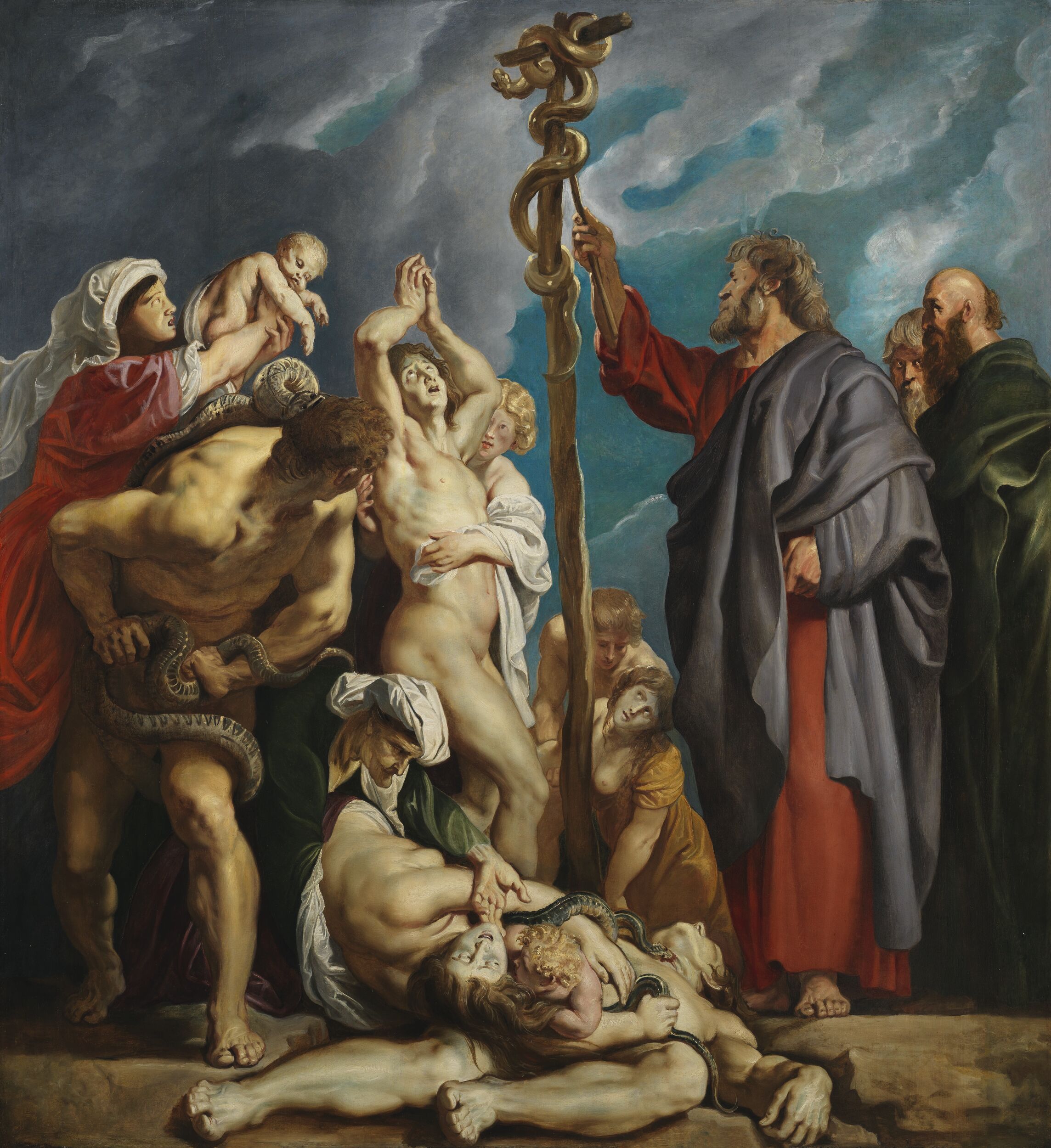
This is “Moses,” a tempera on panel painted in Siena, Italy, around 1340‑1360. The piece reflects the late Gothic style that was flourishing in the Italian city‑states at that time. You’ll notice the delicate use of tempera—a fast‑drying, pigment‑laden medium—that gives the figure a luminous, almost ethereal quality. The panel surface is carefully finished, allowing the pigments to sit in a subtle, translucent glaze.
Moses is depicted in a moment of calm authority. His profile is rendered with a gentle, measured grace that hints at both the weight of his biblical role and the human sensitivity of the artist. The background is relatively simple, avoiding distraction and keeping the focus on the figure’s face and hands. The composition balances a sense of solemnity with a touch of tenderness—notice how the folds of his robes fall naturally, suggesting movement without breaking the overall symmetry.
The dating places it in the transition between the early and late medieval periods, where artists began experimenting with more naturalistic proportions and expressions. In Siena, this was part of a broader shift toward the more realistic styles that would later influence the Renaissance. The painting offers a fascinating glimpse into how a central religious figure was visually negotiated during a pivotal era in Italian art.
See it in person
Moses hangs in The Courtauld Gallery at Somerset House, London. Point your phone at any artwork there and audioguide.london plays a free audio guide in six languages — no app download needed.