Lady Kytson
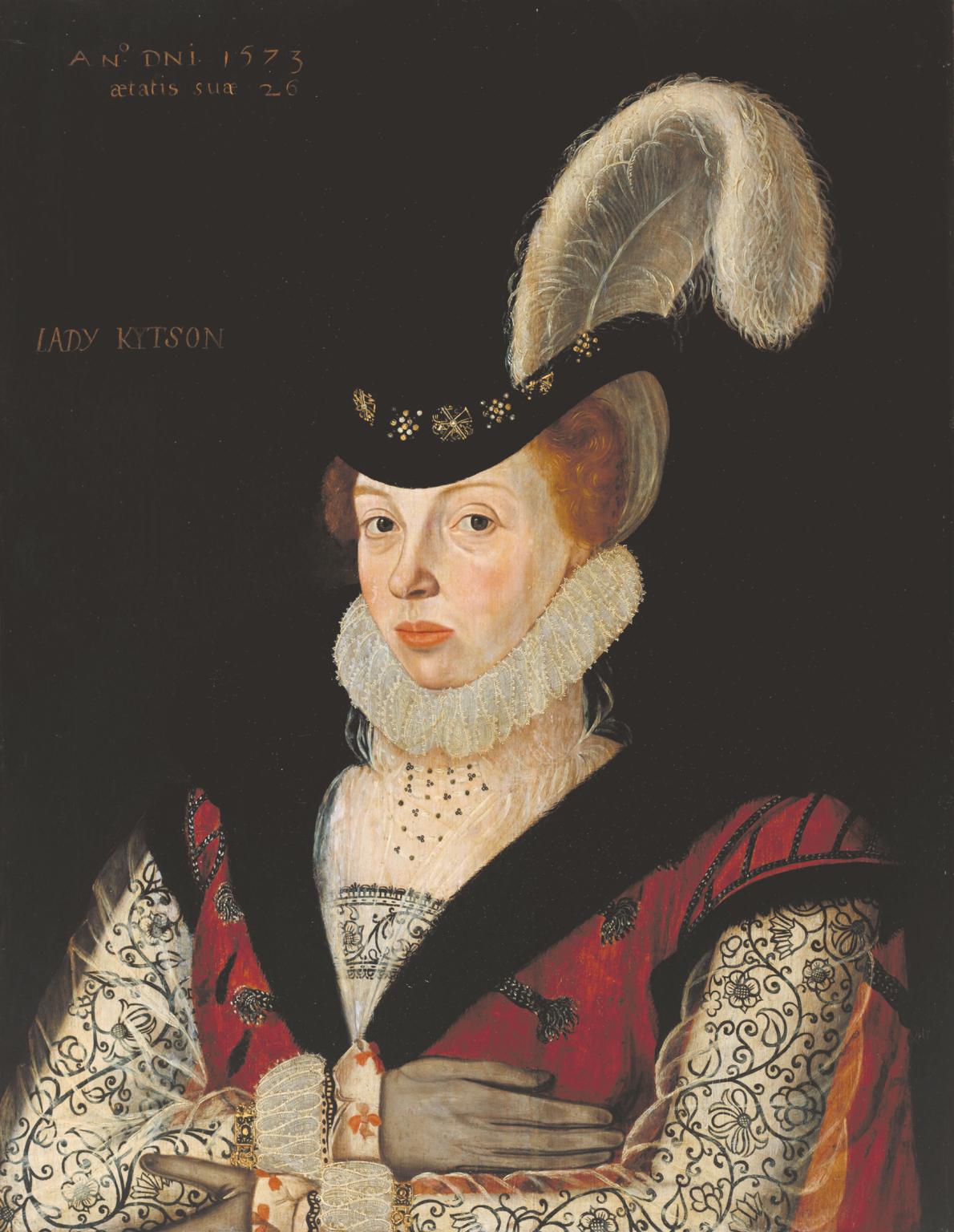
- Artist: George Gower
- Date: 1573
- Medium: Oil paint on wood
- Dimensions: support: 685 x 522 mm
- Museum: Tate Britain
- Collection record: Tate Britain website
Listen to the free audio guide
About this artwork
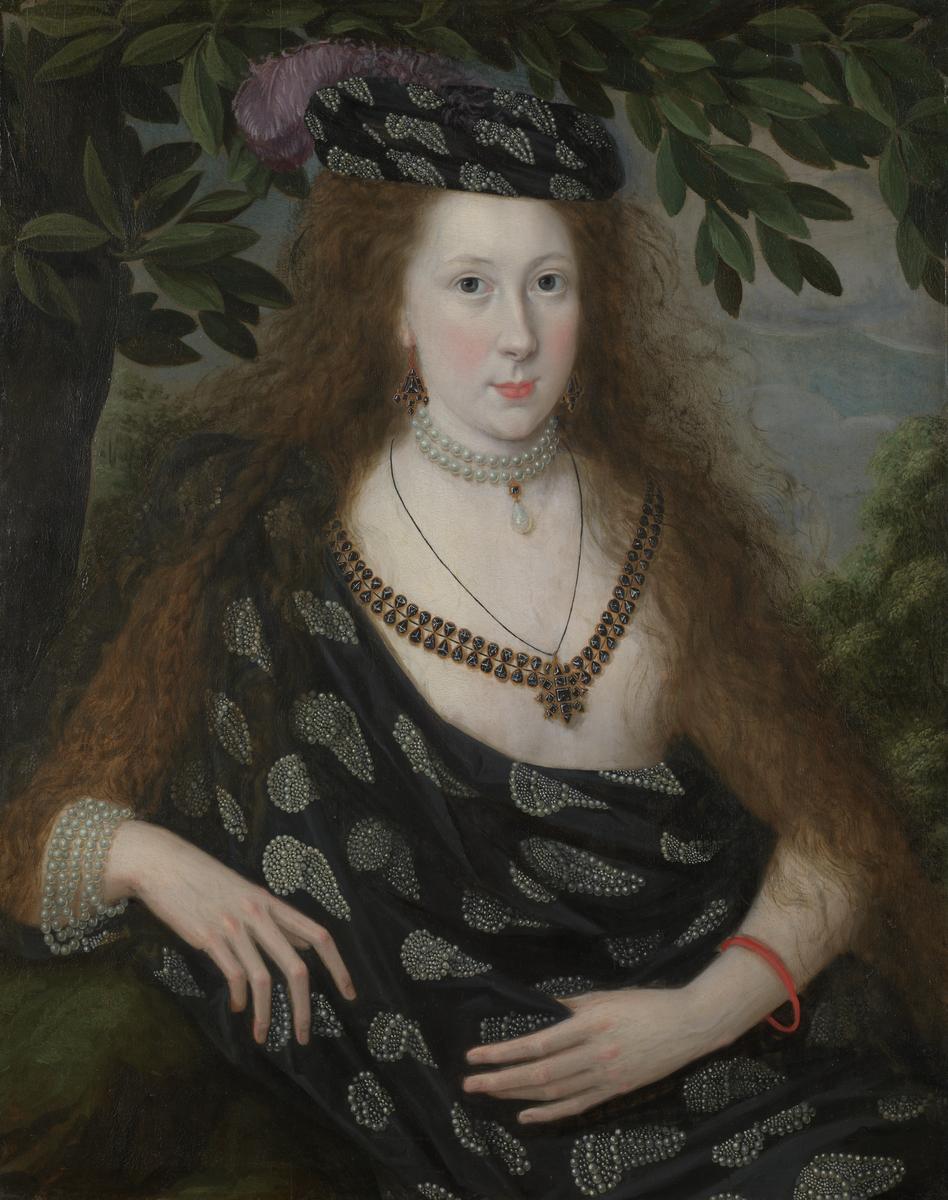
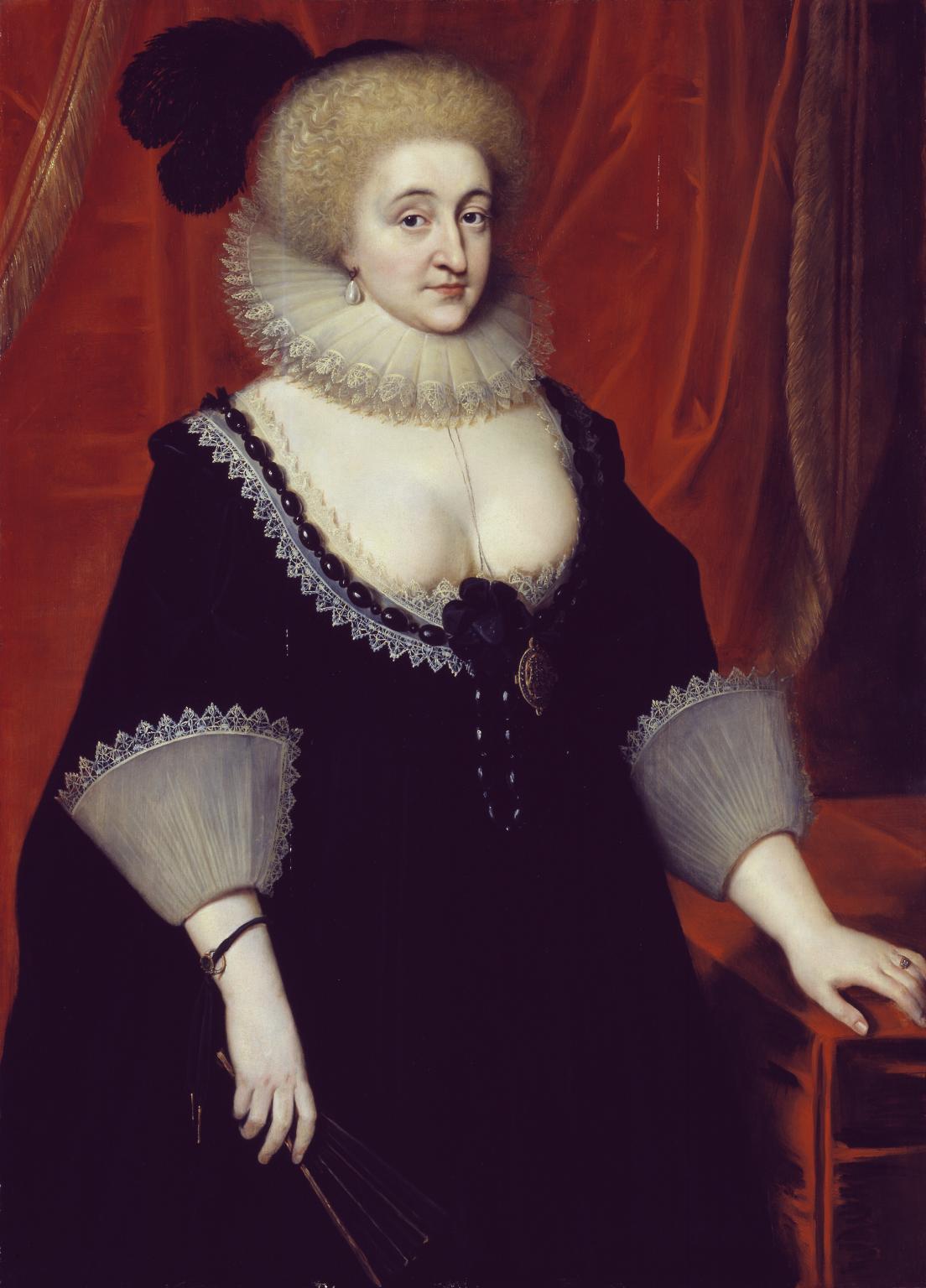
This is the “Lady Kytson” by George Gower. It was painted in London in 1573, the same year it was commissioned by Elizabeth Cornwallis, later Lady Kytson, and her husband Sir Thomas Kytson. Gower was a Yorkshire‑born artist who rose to become Serjeant Painter to Queen Elizabeth in 1581, and he was known for a linear, shadowless style that matched the monarch’s taste.
Notice the bright red gown she wears – the early Tudor fashion for rich hues – complete with a fur collar that signals status. Her sleeves, beneath gauzy oversleeves, are embroidered with black thread roses, honeysuckle and carnations, a detail that shows the level of skill and luxury at the time. The tall hat she wears, finished with a jeweled band and linen undercap, is not just a fashion statement; it was revealed only after the canvas was cleaned in 1995, giving us a clearer view of its shape.
The portrait sits in a tight frame, but what’s more interesting is the compositional choice: her arms folded, a calm posture that conveys dignity without dramatic flourish. It’s one of the earliest surviving works by Gower, and it pairs with a companion portrait of Sir Thomas Kytson. Together they give us a snapshot of a London townhouse family in the 1570s, caught in the very fashion and social nuances that defined the Tudor era.
See it in person
Lady Kytson is in the collection of Tate Britain on Millbank, London — free to enter. Point your phone at any artwork there and audioguide.london plays a free audio guide in six languages — no app download needed.