Death of Hippolytus
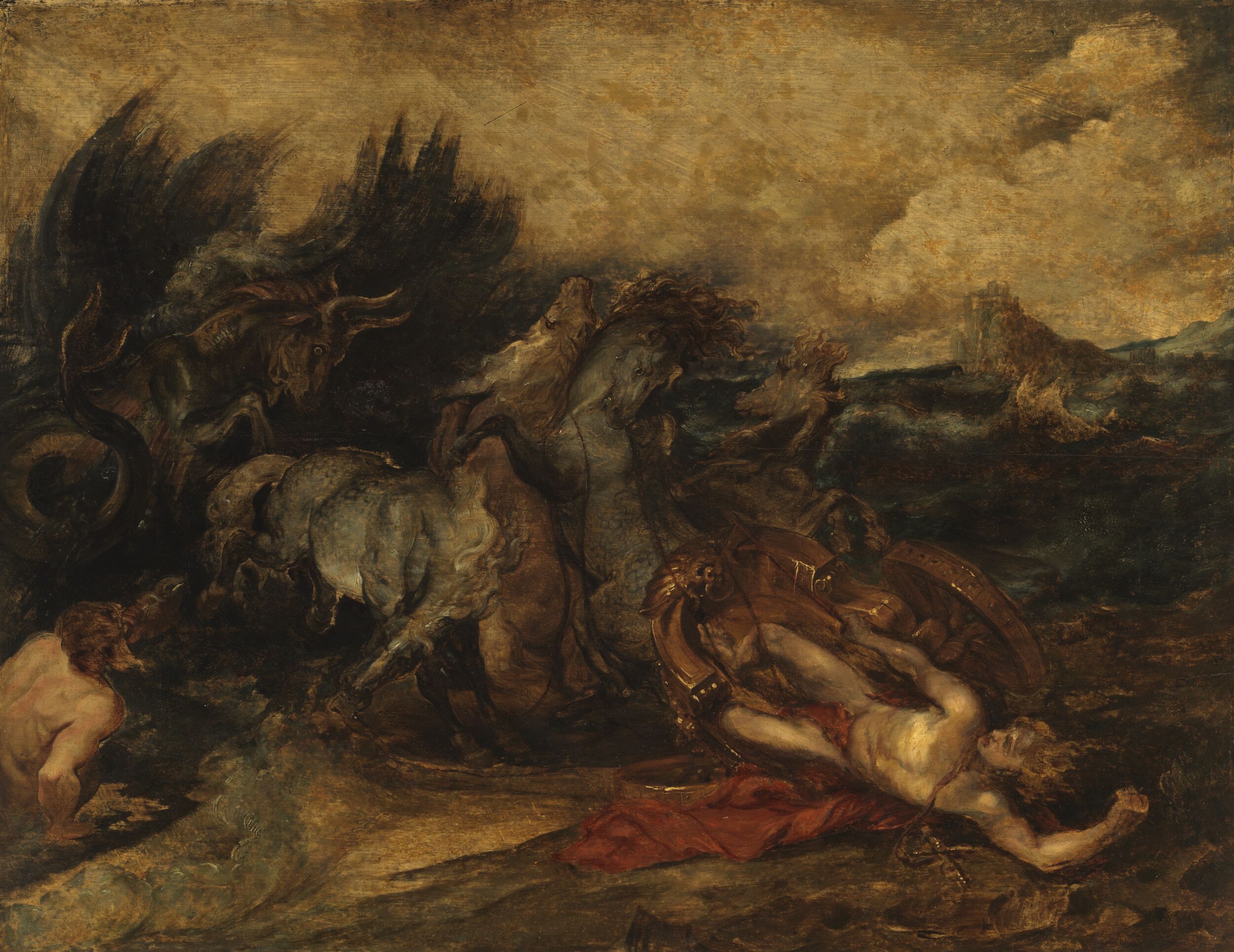
- Artist: Peter Paul Rubens
- Date: 1610 - 1612
- Medium: oil on panel
- Museum: The Courtauld Gallery
- Collection record: The Courtauld Gallery website
Listen to the free audio guide
About this artwork
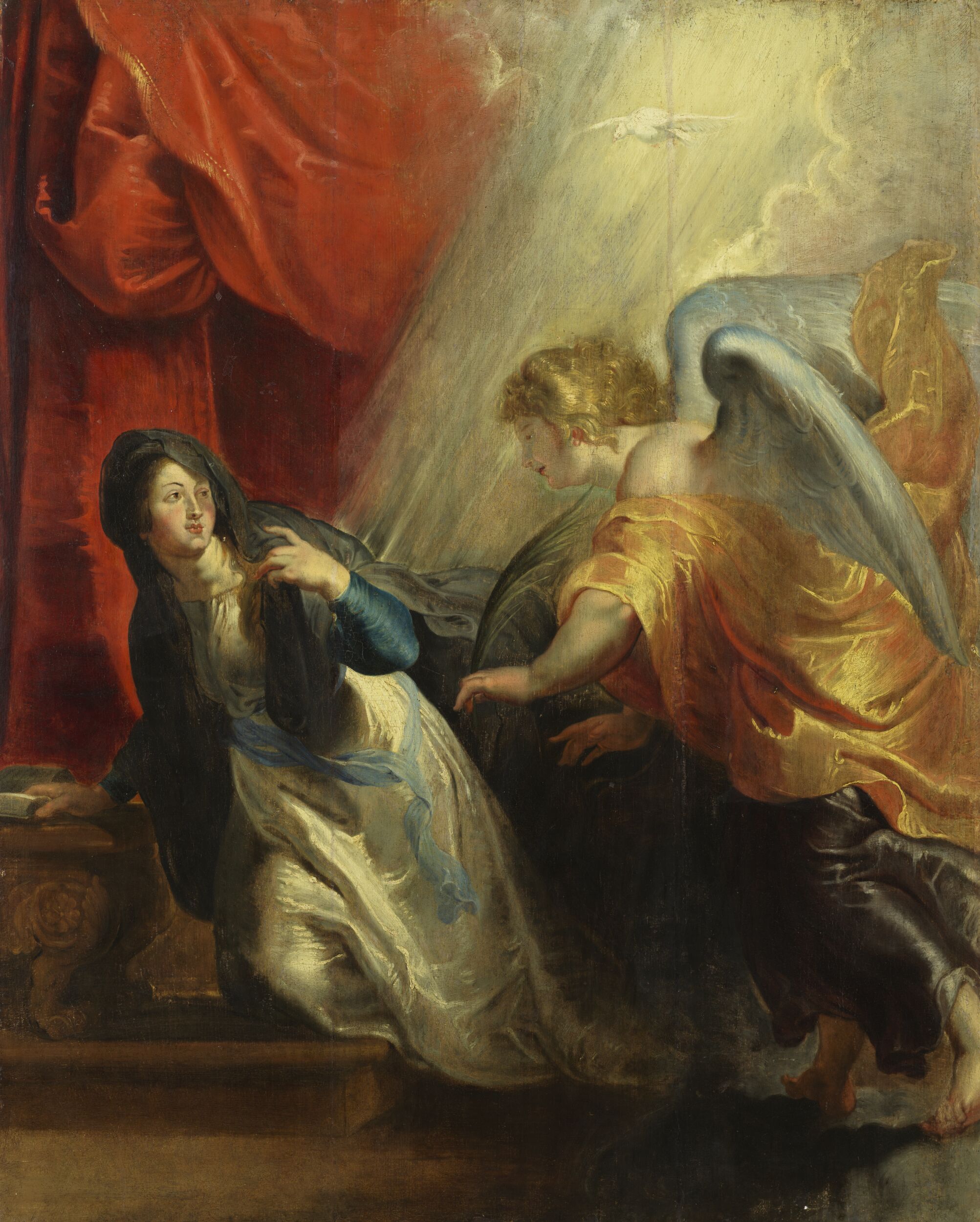
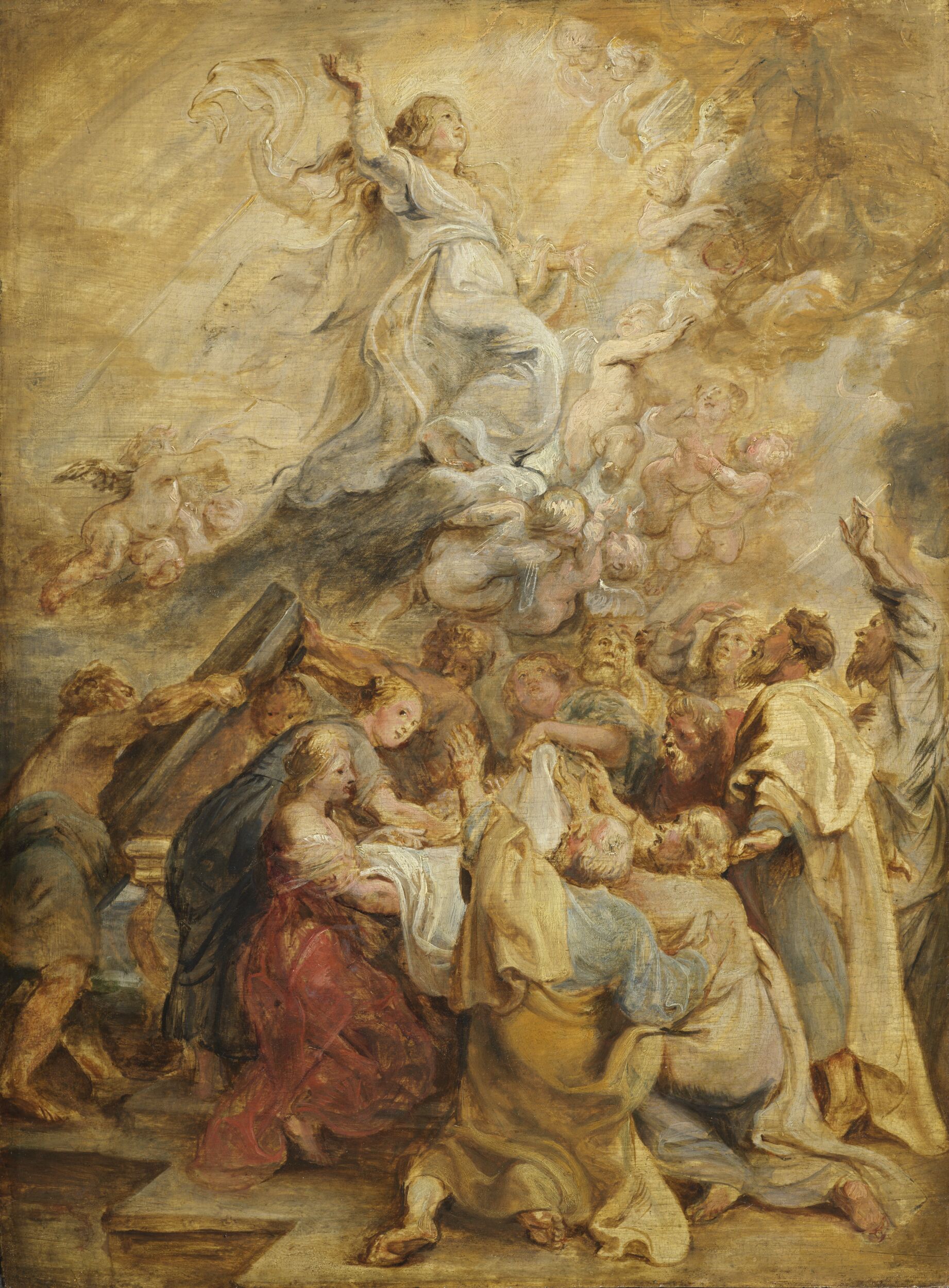
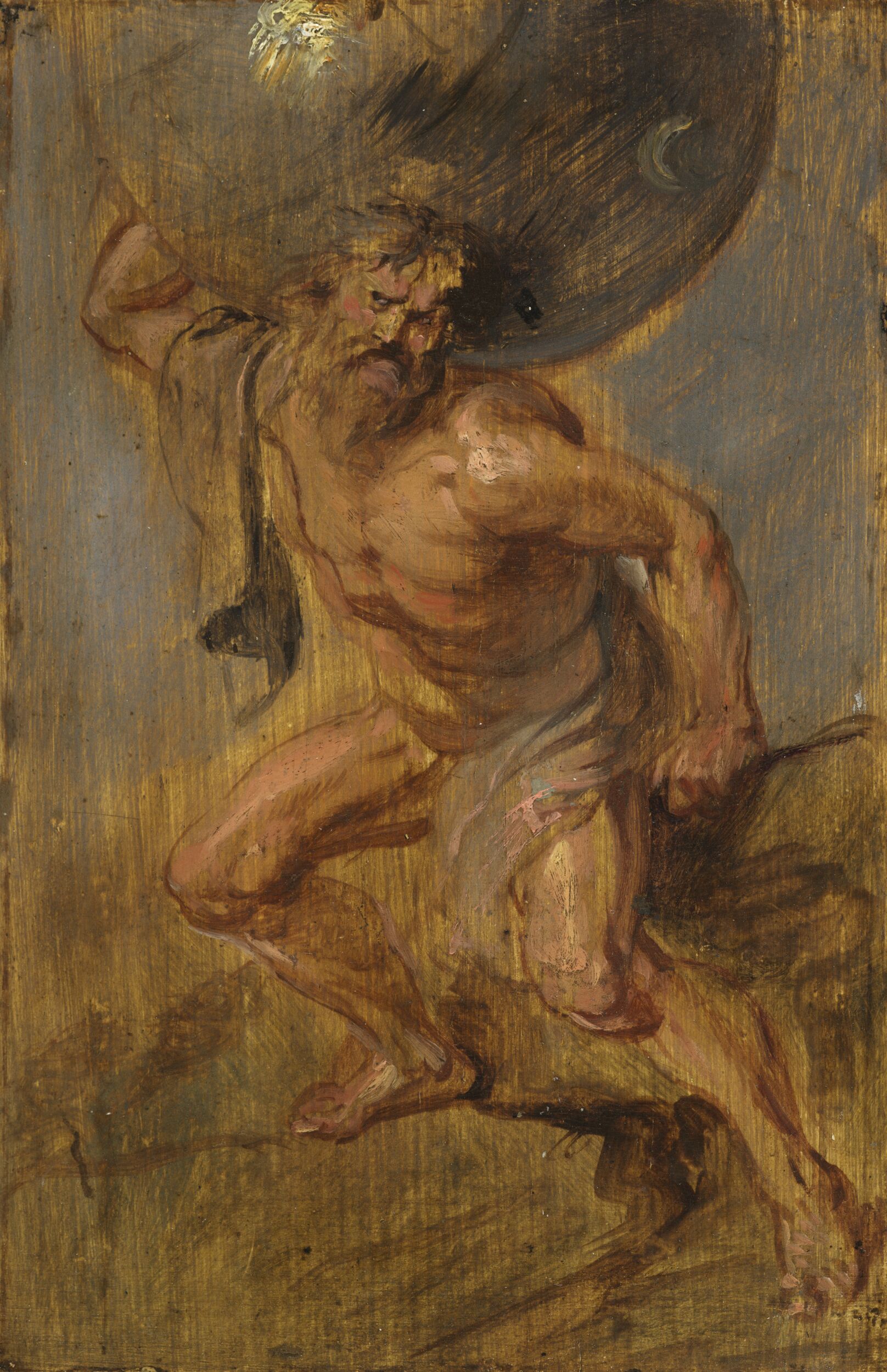
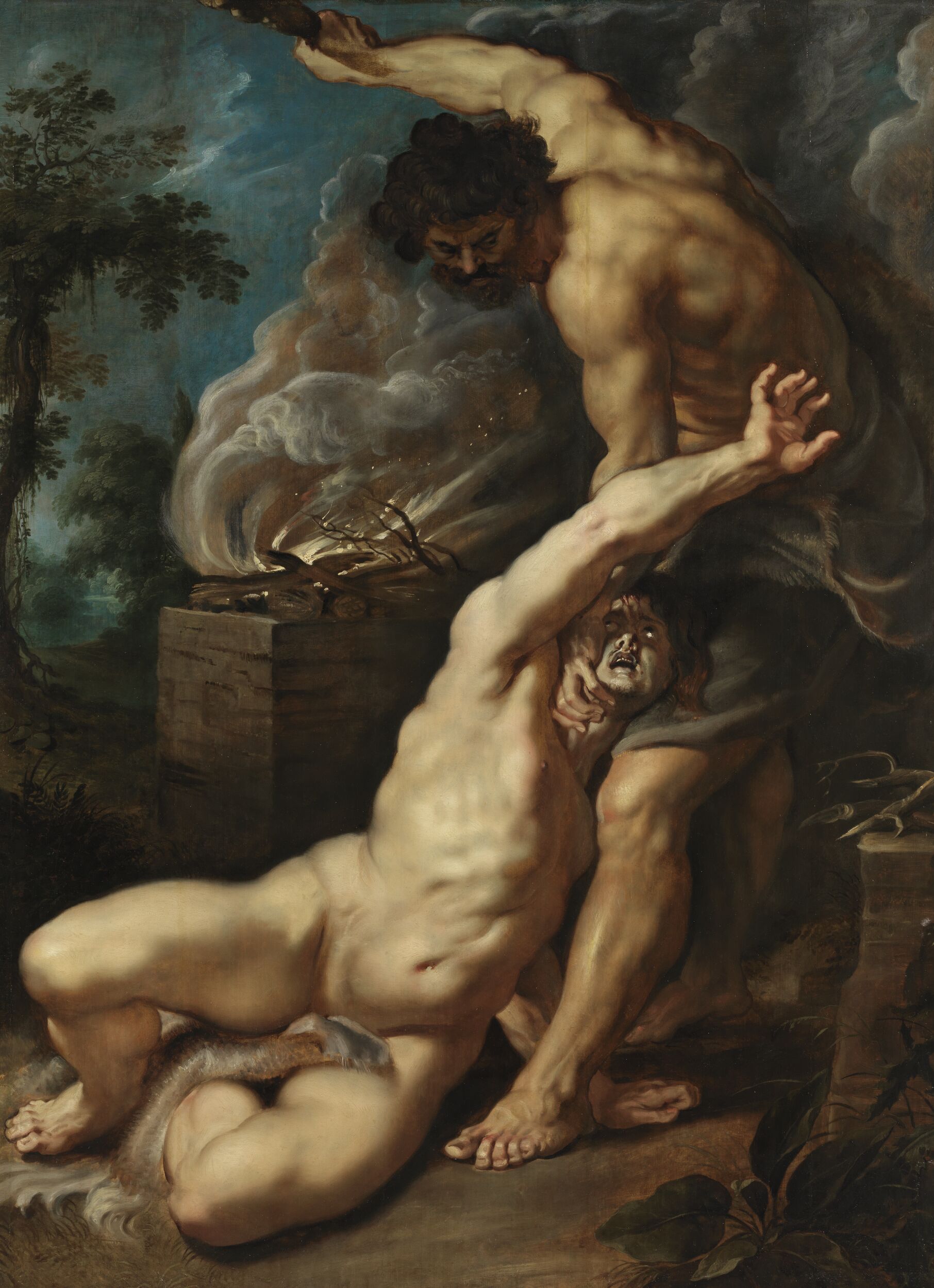
This is the “Death of Hippolytus” by Peter Paul Rubens, painted between 1610 and 1612 in oil on panel. In this Baroque masterpiece Rubens brings the tragic Greek myth to life with a rush of motion and raw emotion. The foreground is dominated by the fallen figure of Hippolytus, his body sprawled as a chariot’s wheels catch him, while the divine presence of Artemis looms in the background, her form half-shadowed and ethereal. Rubens’ mastery of light is evident: a dramatic chiaroscuro highlights the wet, trembling skin and the ripple of the surrounding water, contrasting with the muted, earthy tones of the landscape.
The composition is dynamic, a hallmark of Rubens’ style. He uses diagonal lines to lead the eye from the rider’s blade to the victim’s body, creating a sense of inevitable fate. The palette is rich yet controlled—deep reds and ochres that evoke blood and grief, set against cool blues that suggest the night air. The brushwork is energetic, especially in the swirling hair and flowing drapery, giving the scene a sense of movement that feels almost cinematic.
Rubens also plays with mythological symbolism. The broken spear points upward, perhaps a sign of divine intervention, while the surrounding sea, often a motif for mortality, swallows the lifeless body. This painting is not only a visual triumph but also a narrative device that captures the fleeting nature of life and the harshness of divine will.
See it in person
Death of Hippolytus hangs in The Courtauld Gallery at Somerset House, London. Point your phone at any artwork there and audioguide.london plays a free audio guide in six languages — no app download needed.