Clock movement and pamphlet
- Audio guide stop: 113
- Gallery: Room 2
- Audio guide: one commentary for a group of objects shown together
- Museum: The British Museum
- Image © The Trustees of the British Museum, shared under a CC BY-NC-SA 4.0 licence.
Listen to the free audio guide
About these objects
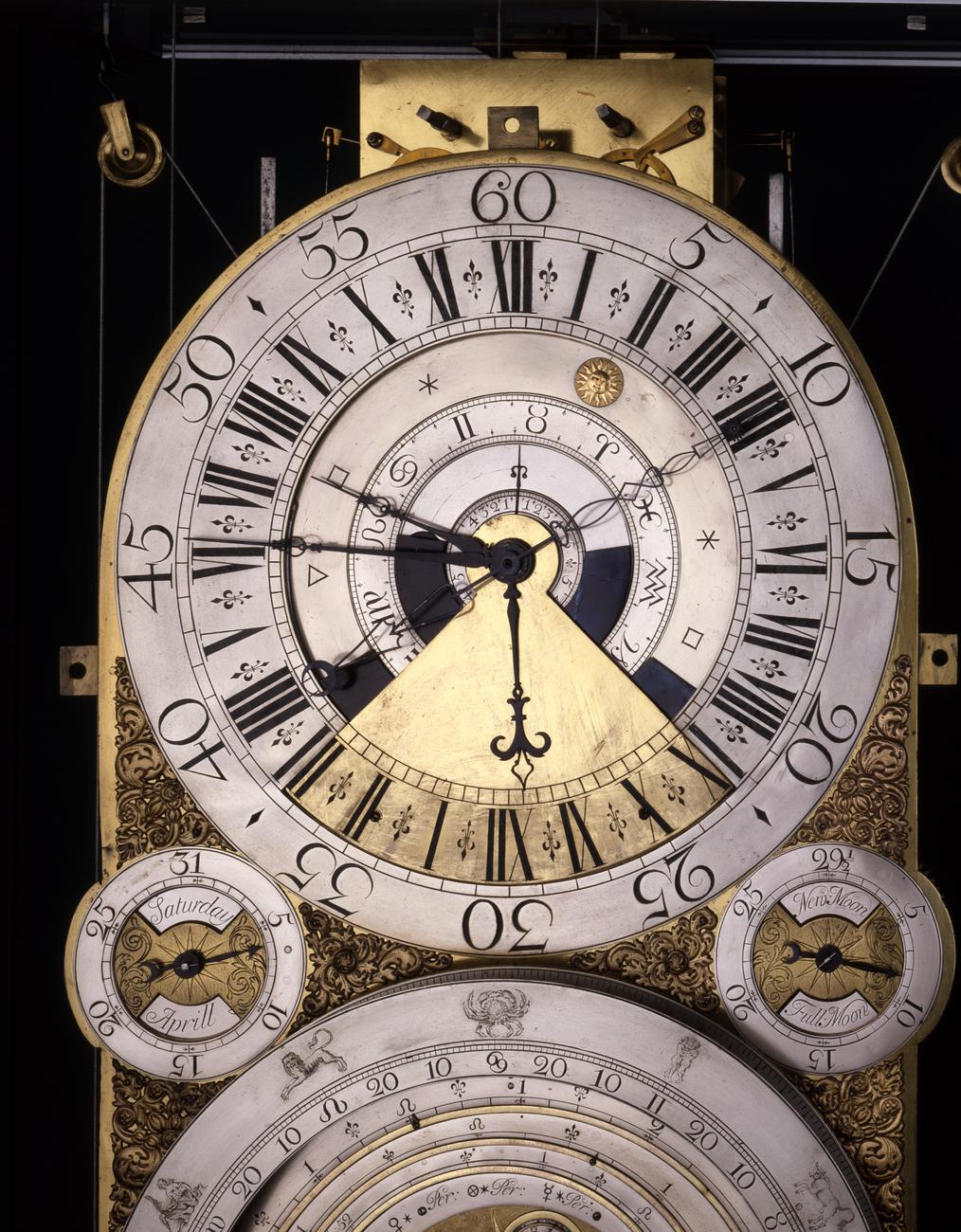
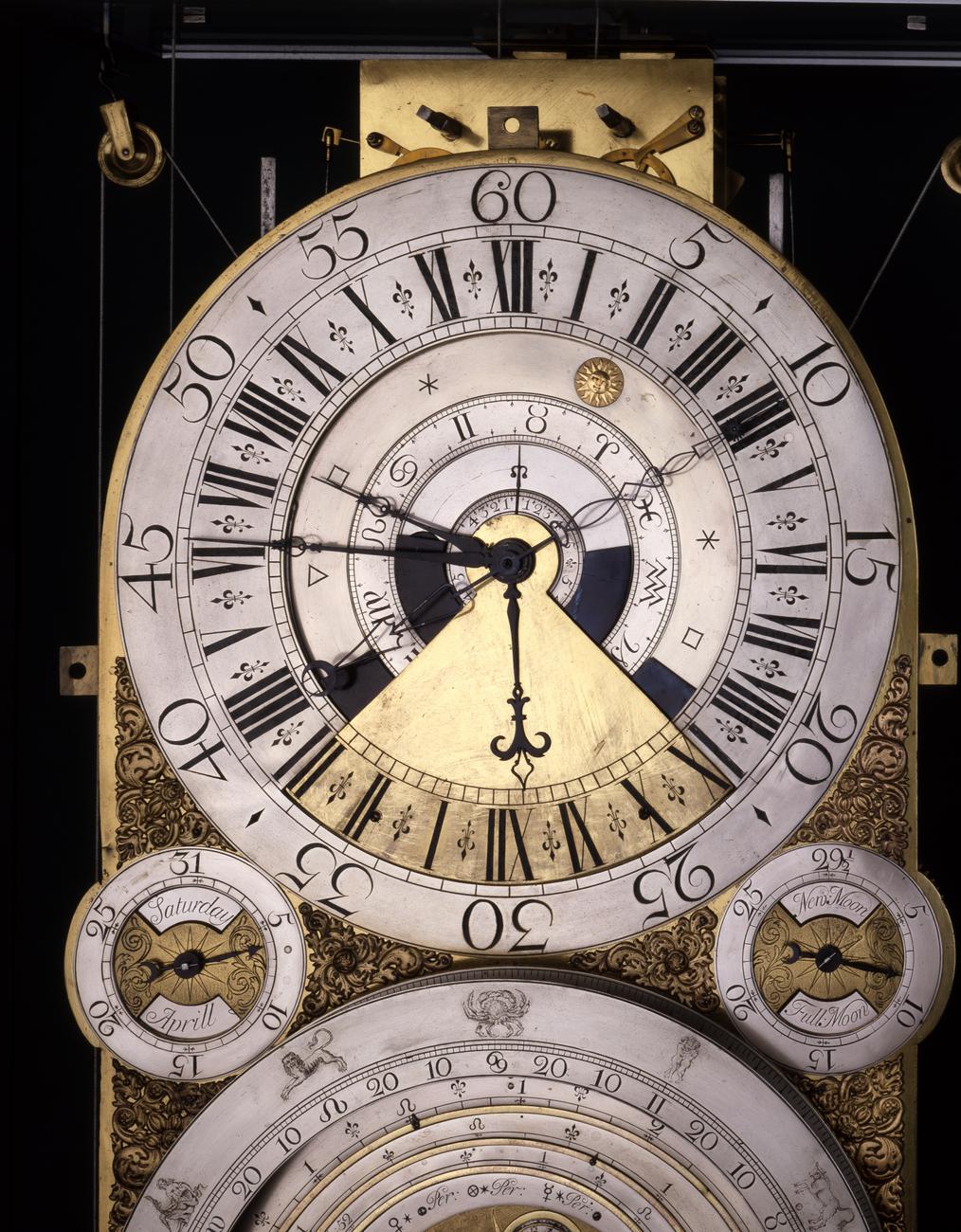
In front of you are two remarkable items that tell a story of ingenuity, craftsmanship, and public fascination in the 18th century. One is a stunning astronomical clock known as "Bridges' Microcosm," and the other is a pamphlet describing it. Together, they offer a glimpse into the world of scientific artistry during the Georgian era.
"Bridges' Microcosm" is a large and intricate clock with multiple dials that reflect both Ptolemaic and Copernican astronomical systems. It was created by Henry Bridges in Waltham Abbey around 1733. This masterpiece was not just a timekeeping device—it was an elaborate work of architecture, sculpture, and music, drawing admiration from the Royal Society and the nobility alike. While some elements like automata and musical features are now lost, the clock’s dials and movement remain, showcasing an extraordinary blend of art and science.
Beside it, you’ll see a pamphlet published in Glasgow around 1763. This printed work aimed to guide viewers in understanding the clock’s celestial displays, offering poetic descriptions of the solar system alongside scientific explanations. It was meant to elevate the clock from a gadget to a wonder of Enlightenment thought.
Both pieces reveal how science and art came together to inspire and educate the public, making them a fascinating pair to explore.
See it in person
Clock movement and pamphlet is on display in Room 2 at the British Museum on Great Russell Street, Bloomsbury, London — free to enter. Choose British Museum on audioguide.london and type its audio guide stop number, 113, from the gallery label, or take a photo of it, to hear this free audio guide in six languages — no app download needed.
New, in beta. British Museum support has just launched and is still improving: over 1,000 objects so far, with more added all the time.