Altar
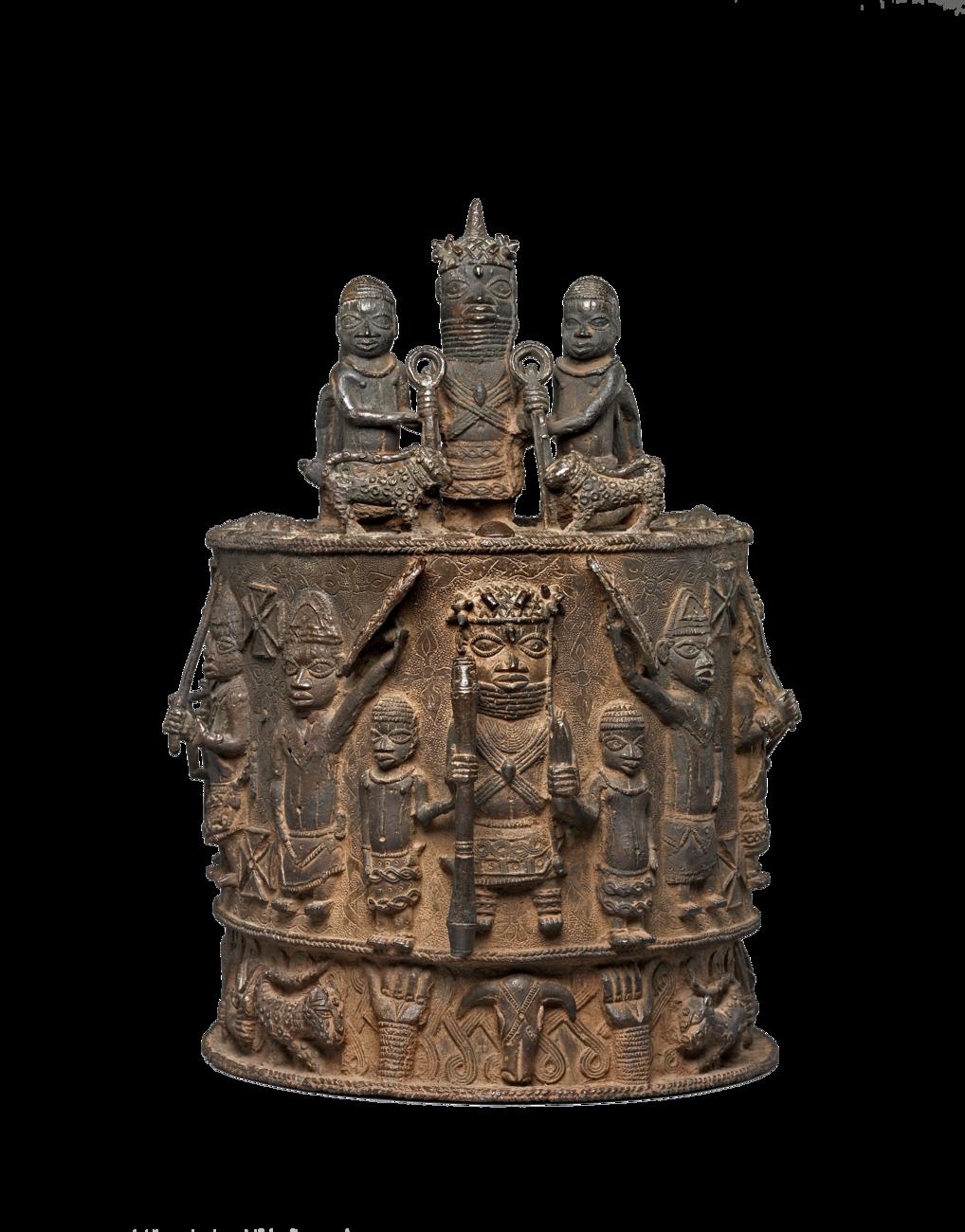
- Gallery: Room 25
- Made in: Benin City
- Date: 18thC (circa)
- Object type: altar, religious/ritual equipment
- Materials: brass
- Museum number: Af1897,1011.2
- Museum: The British Museum
- Collection record: British Museum website
- Image © The Trustees of the British Museum, shared under a CC BY-NC-SA 4.0 licence.
Listen to the free audio guide
About this object
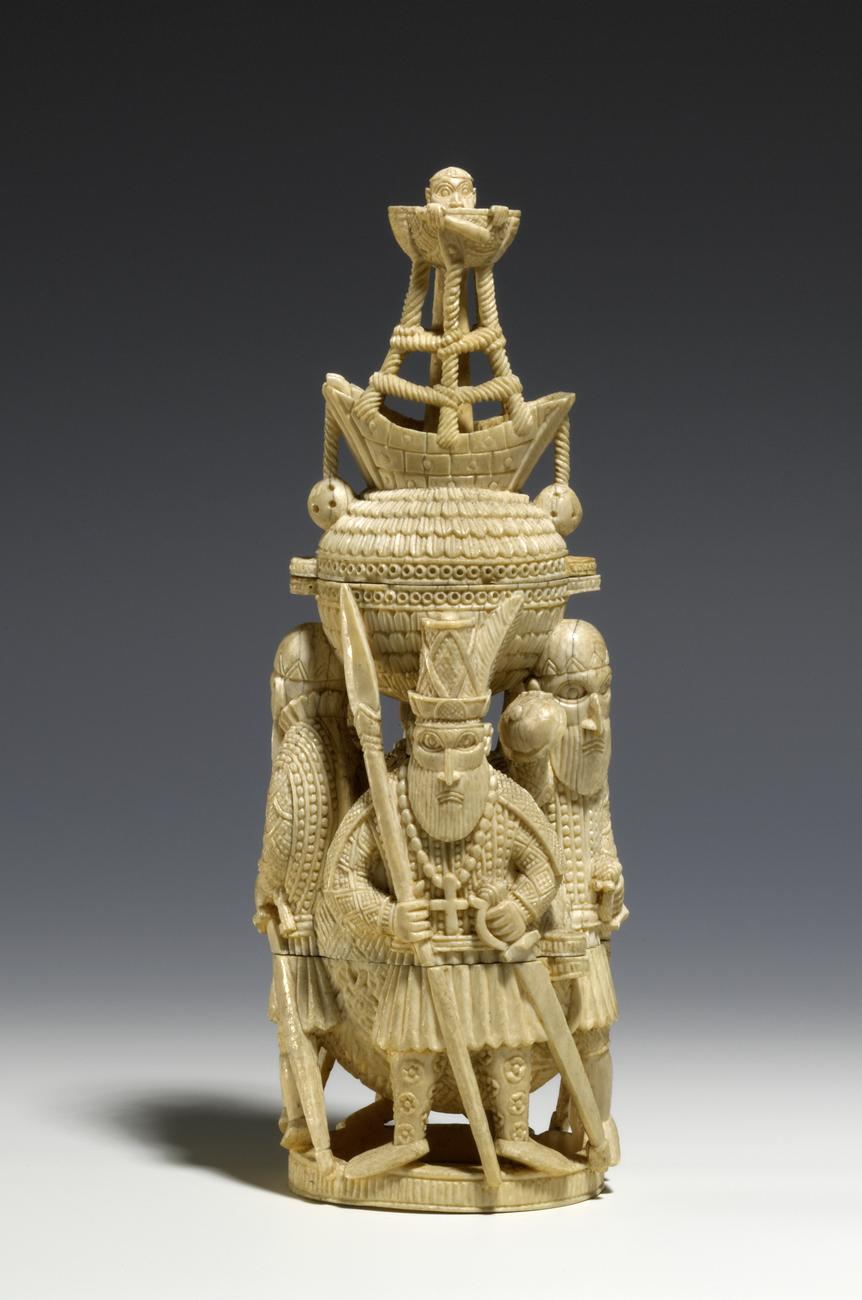
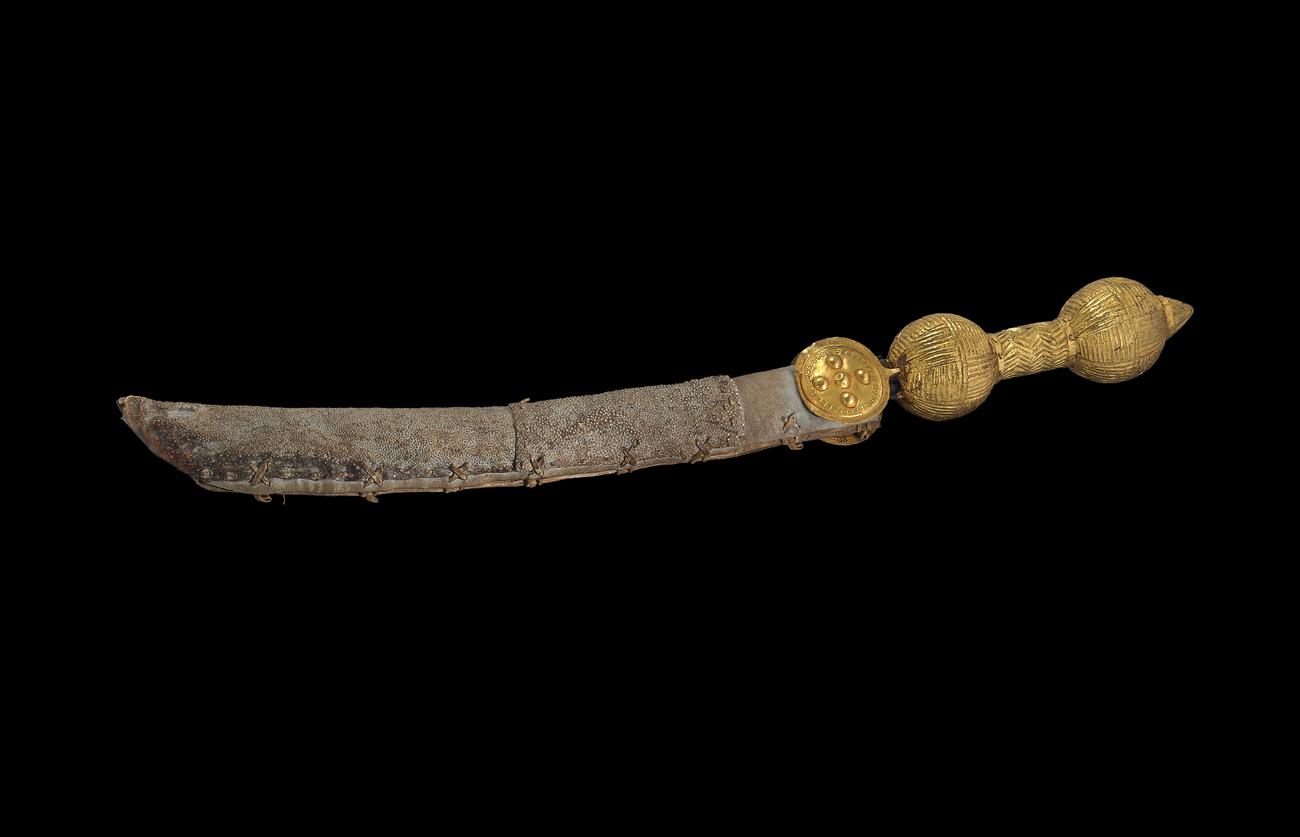
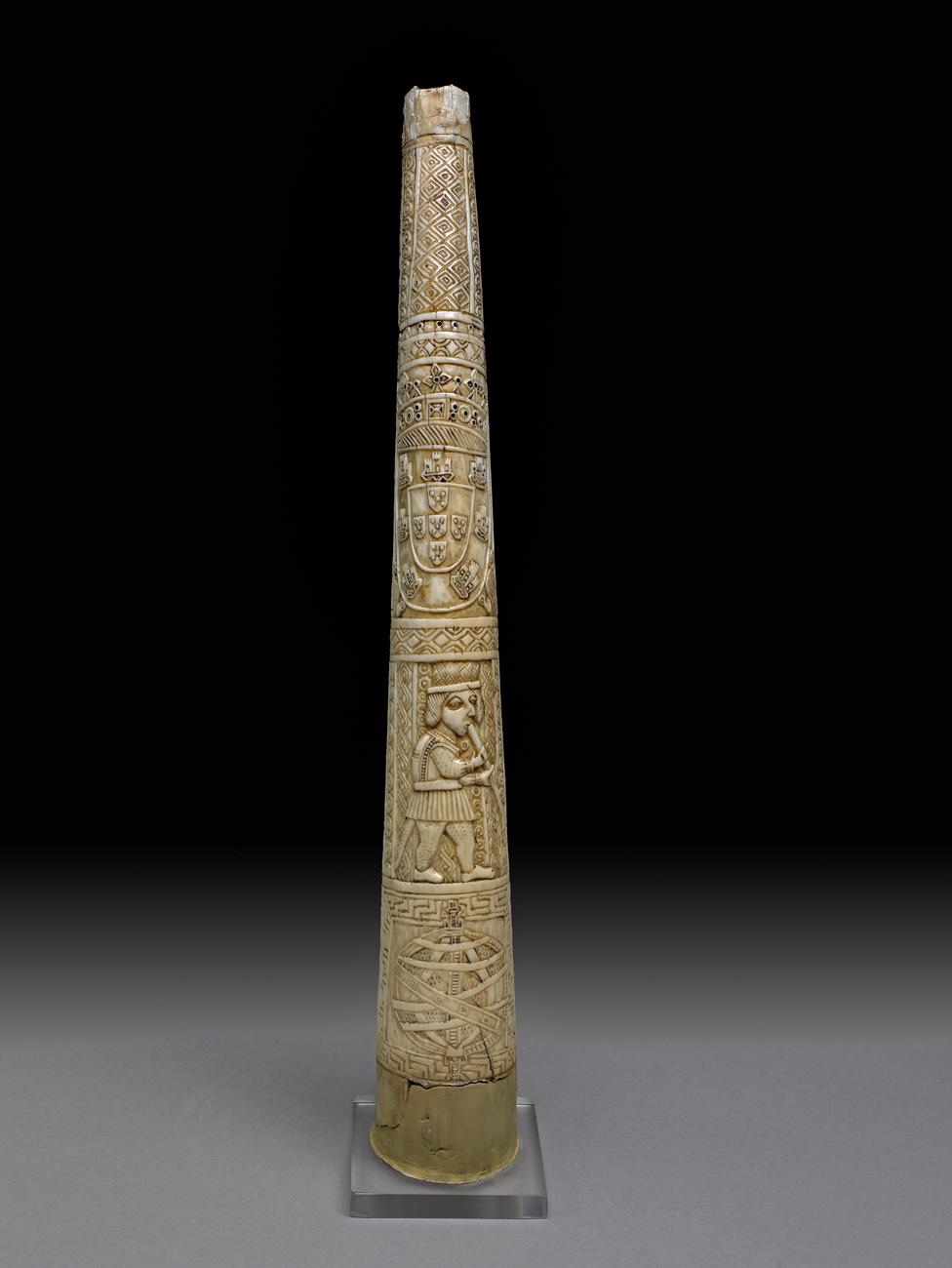
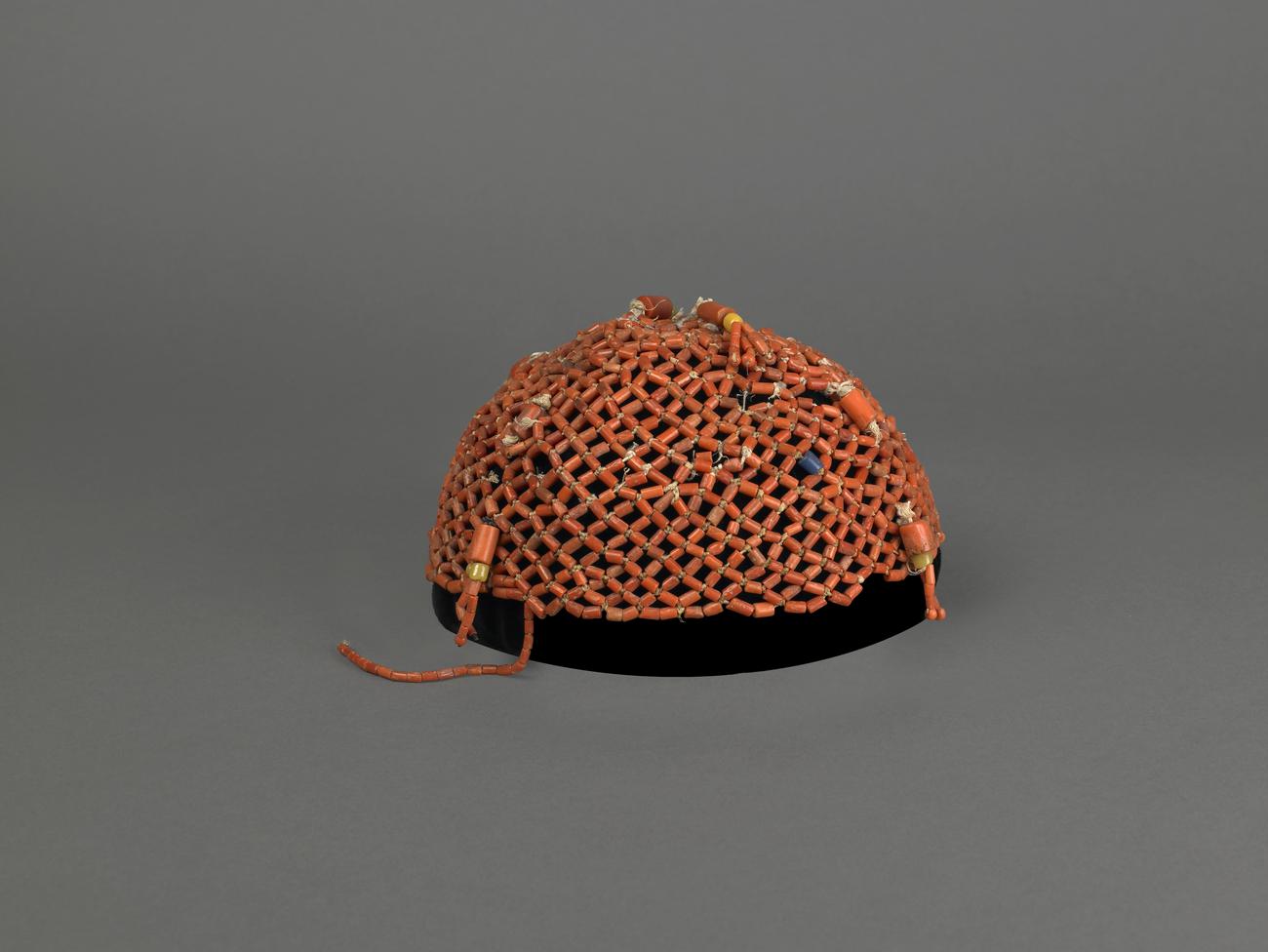
This is an altar known as "Altar of the Hand" or ikegobo, created in Benin City and made of brass using the lost-wax casting method. On the top, a central figure represents the Oba, or king, adorned in beaded coral regalia and holding two downturned swords. He is flanked by kneeling chiefs and guarded by leopard figures. Below, the altar's side shows grand scenes of the Oba and Queen Mother surrounded by attendants, with a recurring pattern of double Maltese crosses. At the base are images of sacrificial animals, rams' heads, and a human hand. Such altars symbolized individual achievements and were reserved for royalty or favored chiefs. This one came to the museum from a private auction in 1897 after British soldiers acquired it during an expedition to Benin City.
See it in person
Altar is on display in Room 25 at the British Museum on Great Russell Street, Bloomsbury, London — free to enter. Choose British Museum on audioguide.london and take a photo of it to hear this free audio guide in six languages — no app download needed.
New, in beta. British Museum support has just launched and is still improving: over 1,000 objects so far, with more added all the time.