A Bridge
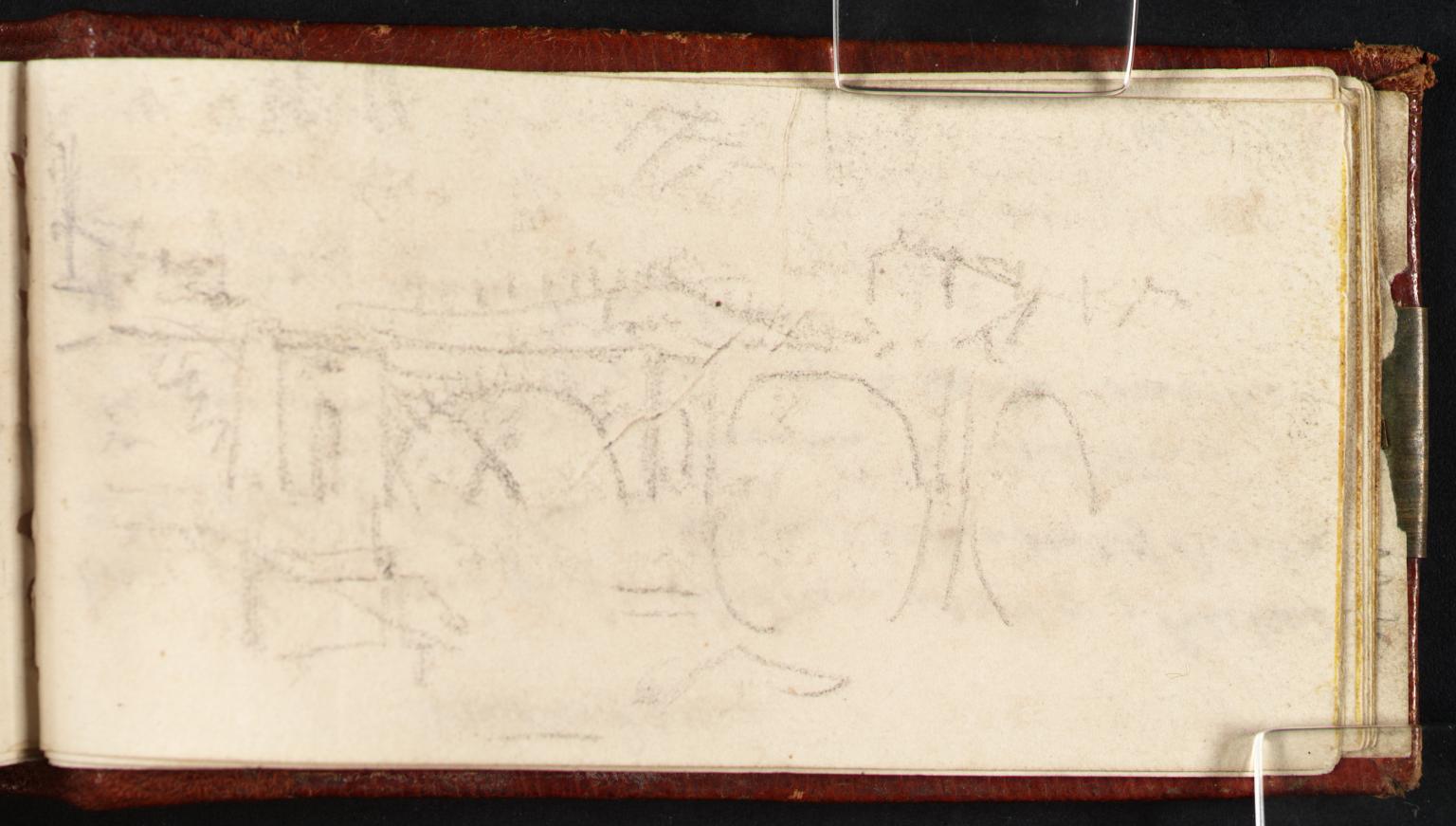
- Artist: Joseph Mallord William Turner
- Date: 1817
- Medium: Graphite on paper
- Dimensions: support: 56 x 106 mm
- Museum: Tate Britain
- Collection record: Tate Britain website
Listen to the free audio guide
About this artwork
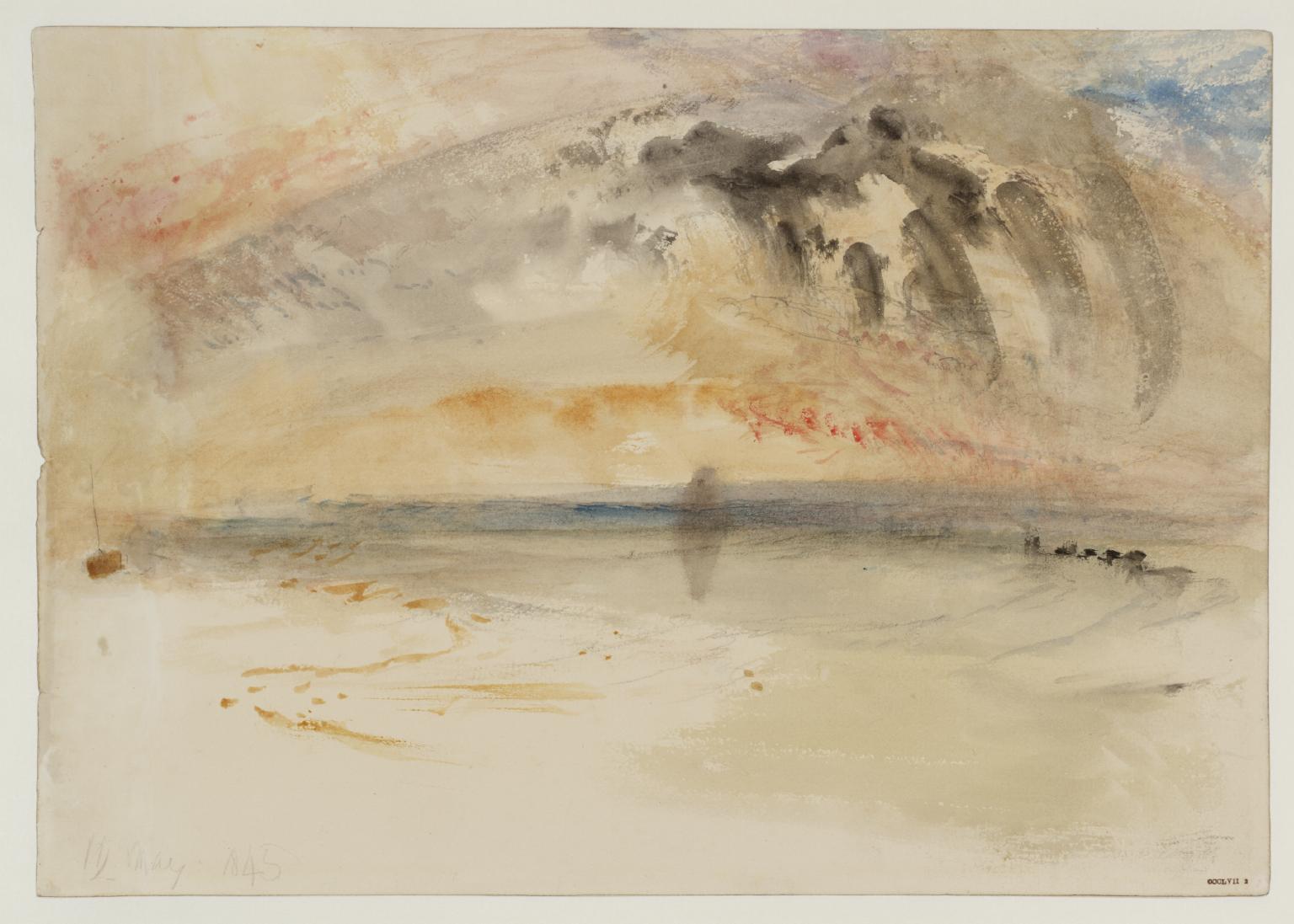
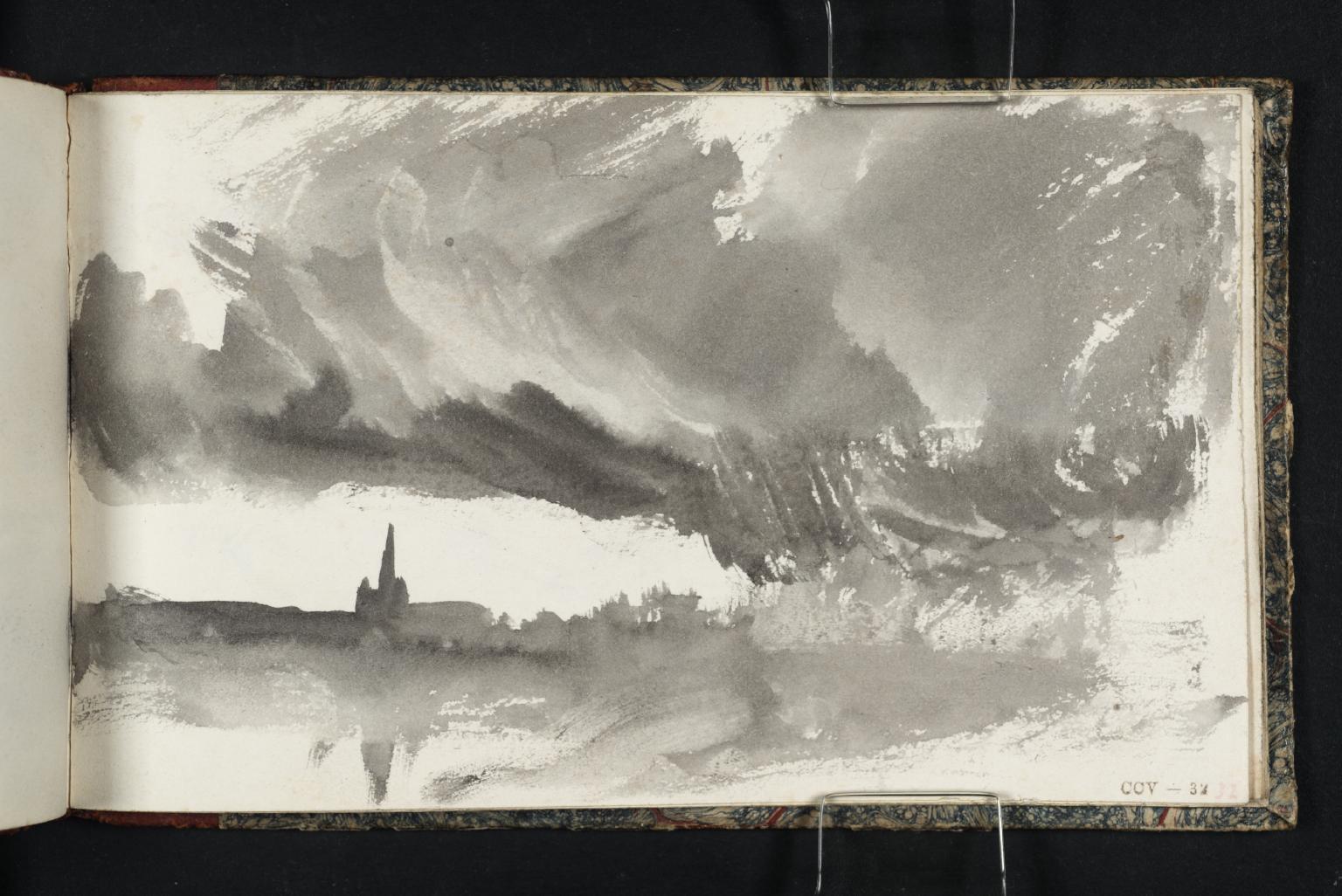
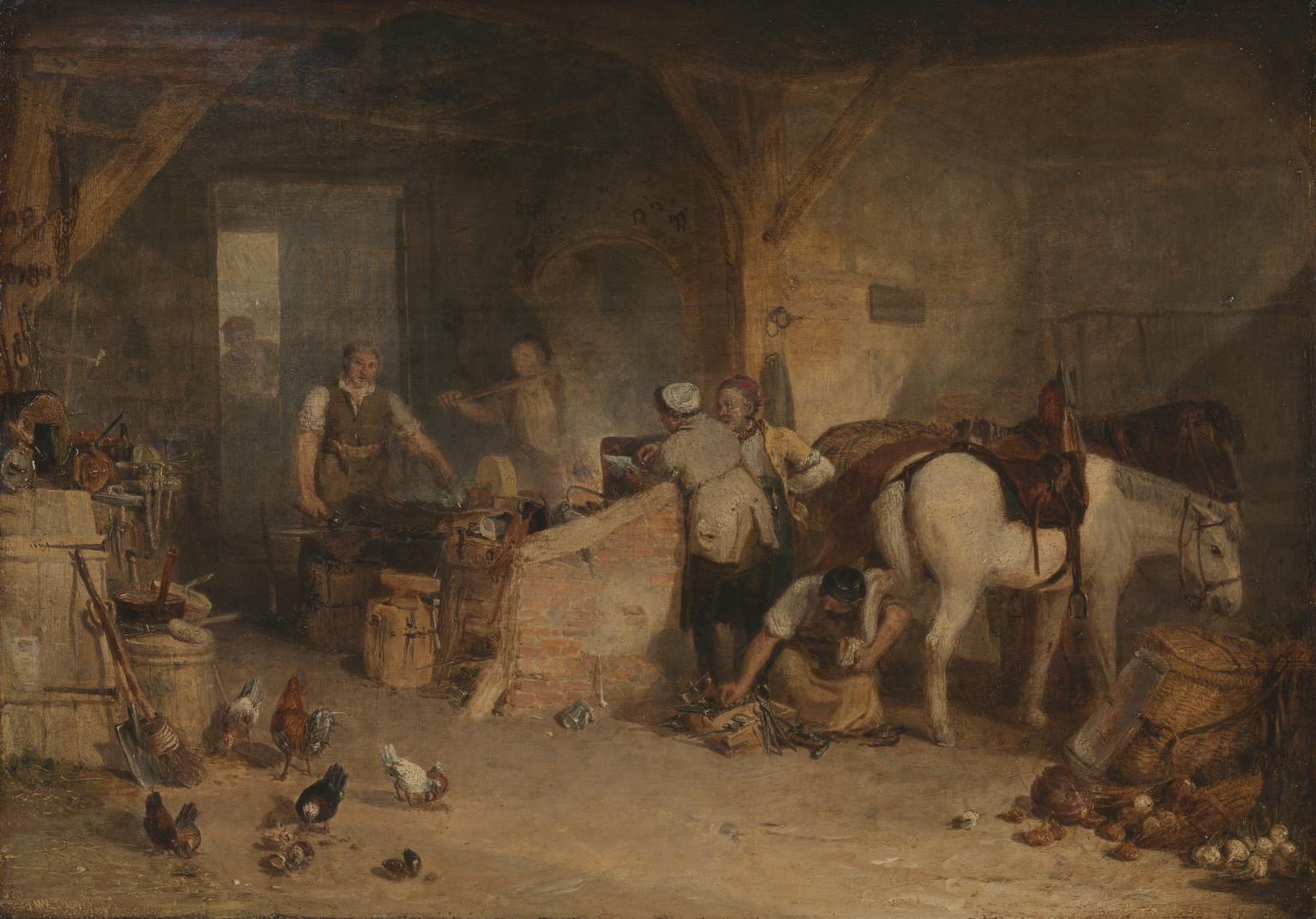
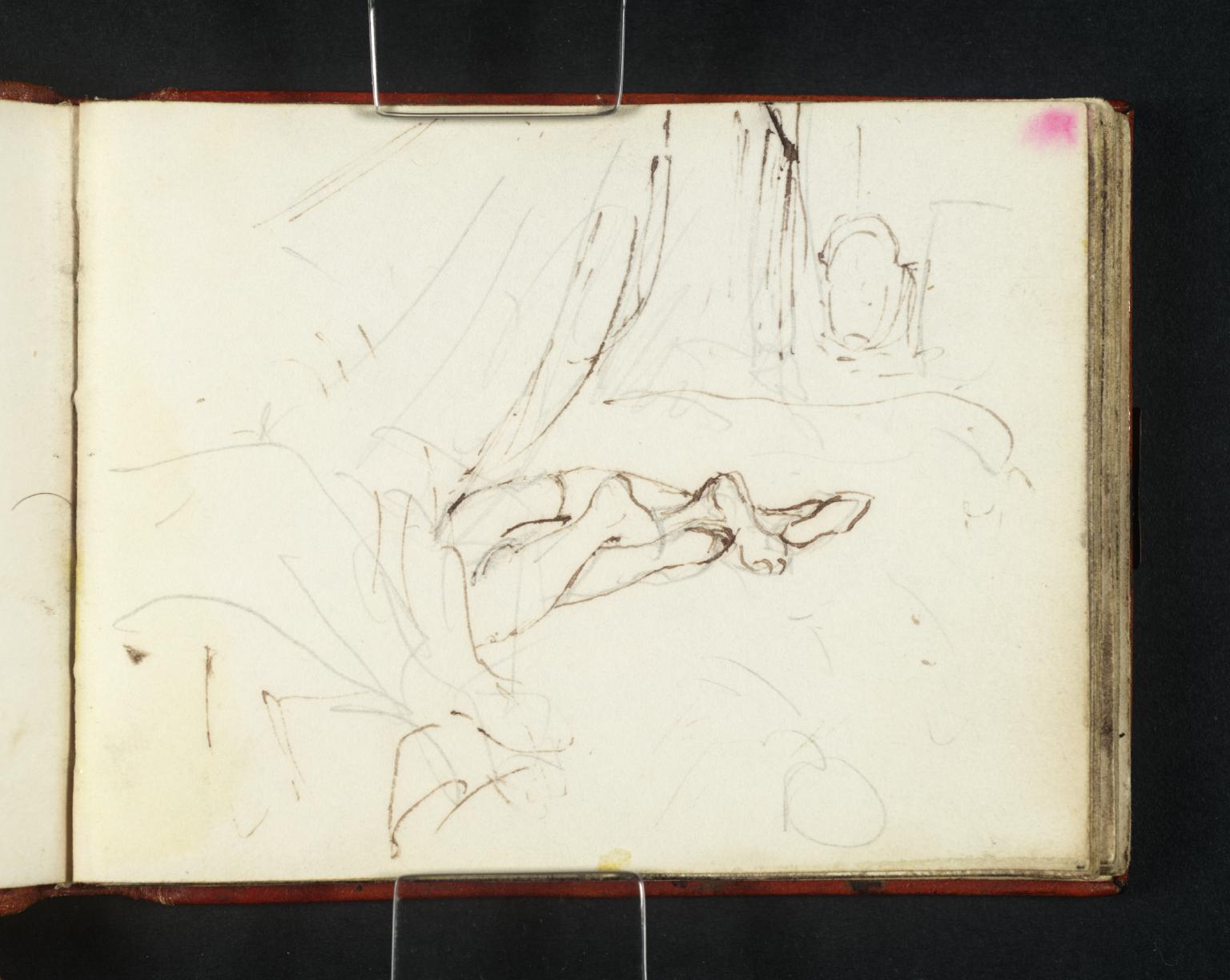
This is the “A Bridge” by Joseph Mallord William Turner. Created in 1817 as a graphite sketch, it captures a simple stone span over a winding river. The drawing is remarkable for the way Turner renders the light on the stone and the water’s surface—soft, almost translucent lines that suggest a fleeting moment. It’s a very small study, only 56 × 106 mm, yet the detail is striking; the play of shadow and reflection gives the bridge a sense of depth that belies its modest scale.
Turner made this piece during his Rhine tour, part of a broader sketchbook that fed his later, more famous landscape paintings. The graphite medium allows him to blend and shade with a subtlety that would have been difficult in oils, making the scene feel almost photographic.
Although tiny, the work is an early glimpse of the mastery Turner would bring to light and atmosphere, hinting at the dramatic skies and turbulent waters that would later define his legacy. It lives in the Tate Britain collection, accepted as part of the Turner Bequest in 1856.
See it in person
A Bridge is in the collection of Tate Britain on Millbank, London — free to enter. Point your phone at any artwork there and audioguide.london plays a free audio guide in six languages — no app download needed.