Virgin and Child Enthroned
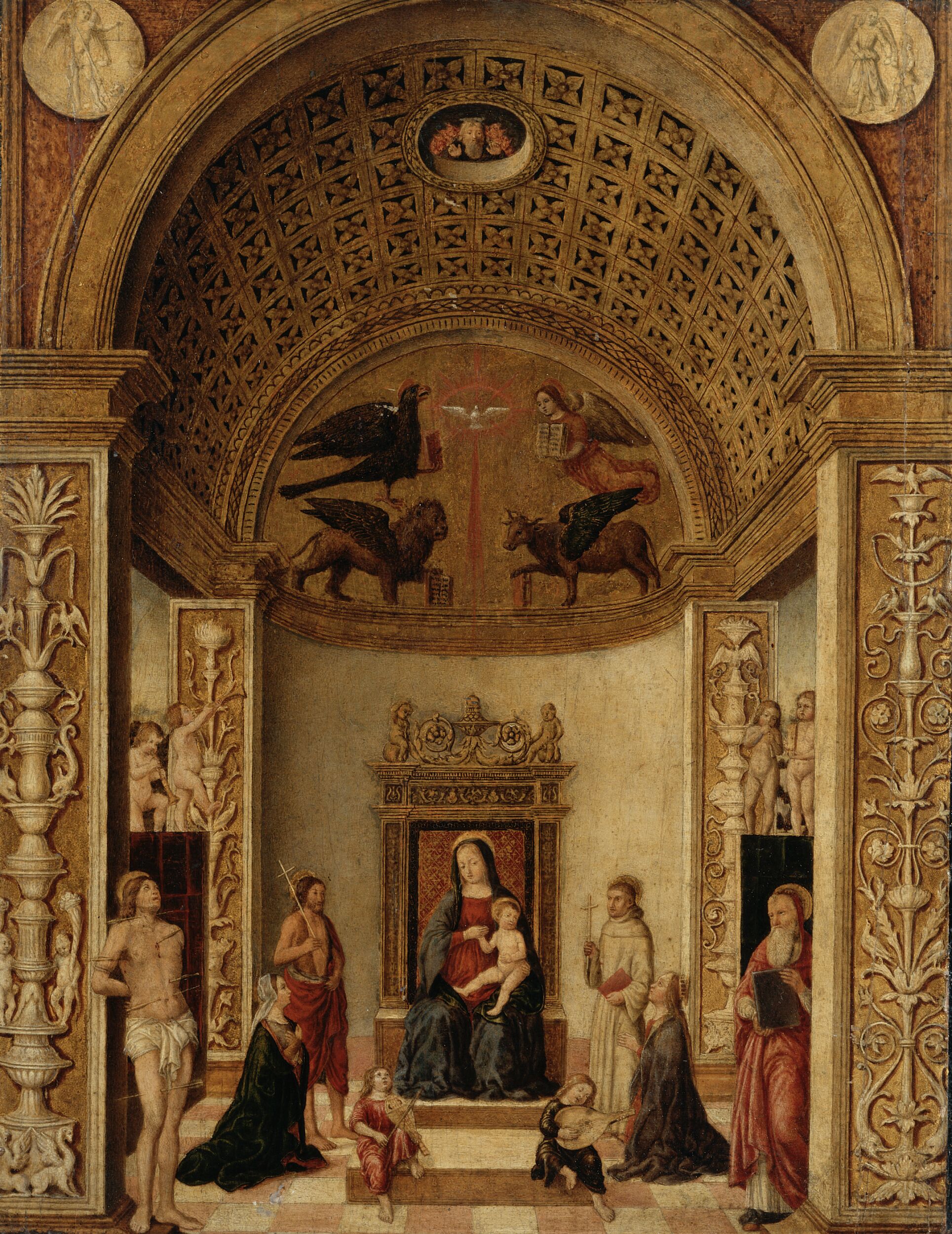
- Artist: Italy (Padua or Venice) 16th century (Artists)
- Date: (circa) 1500 - 1520
- Medium: tempera on panel
- Museum: The Courtauld Gallery
- Collection record: The Courtauld Gallery website
Listen to the free audio guide
In the museum now? Point your phone at the next artwork and hear its guide.
About this artwork
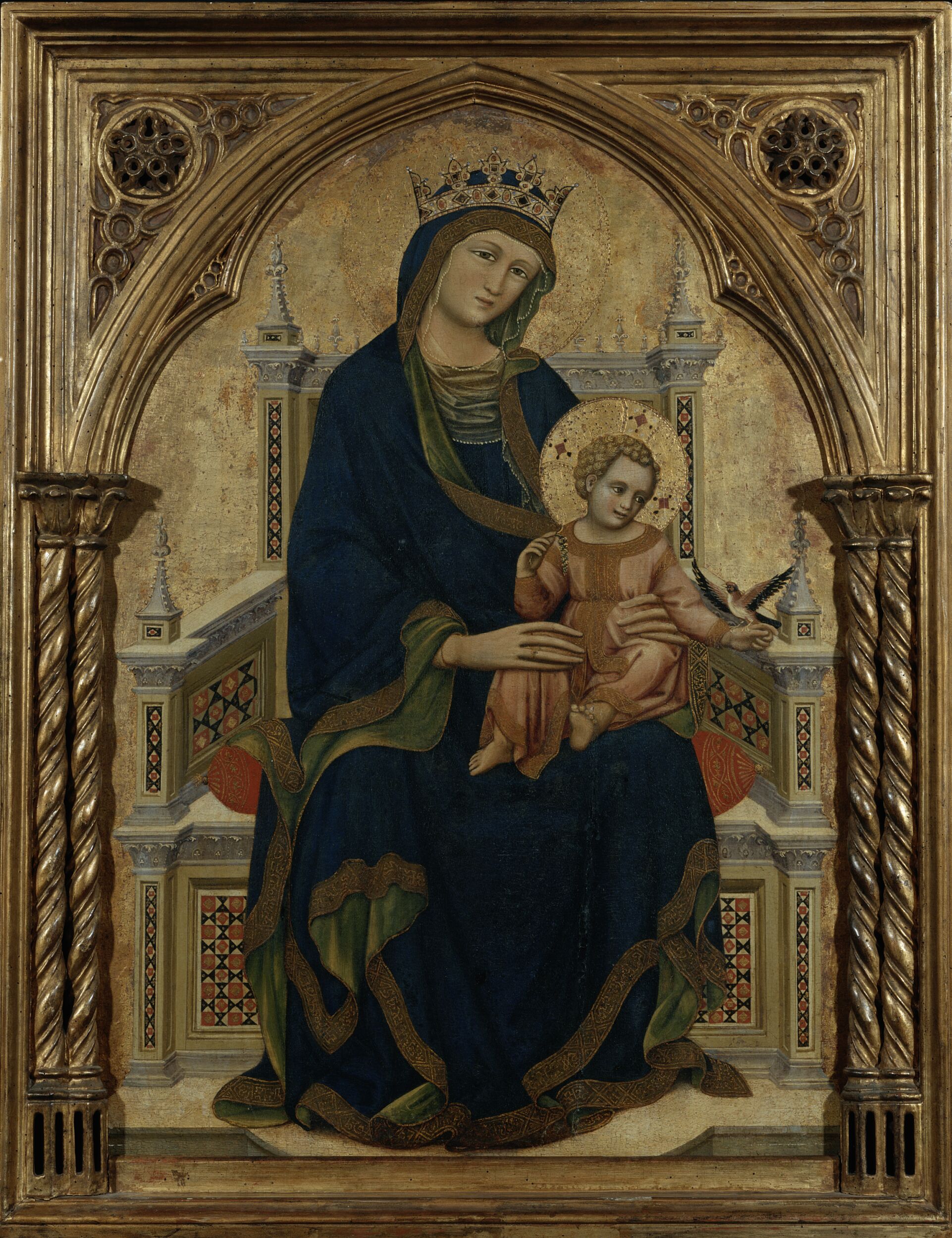
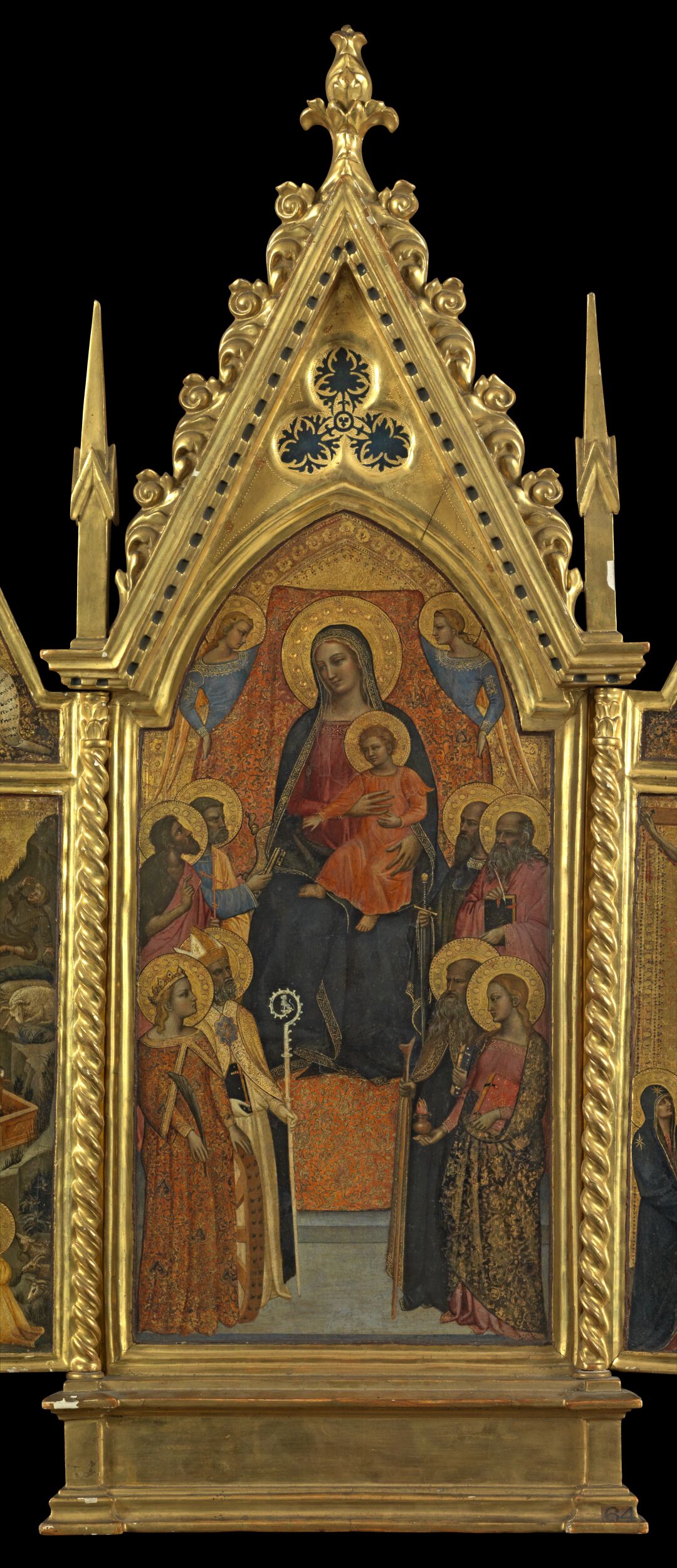
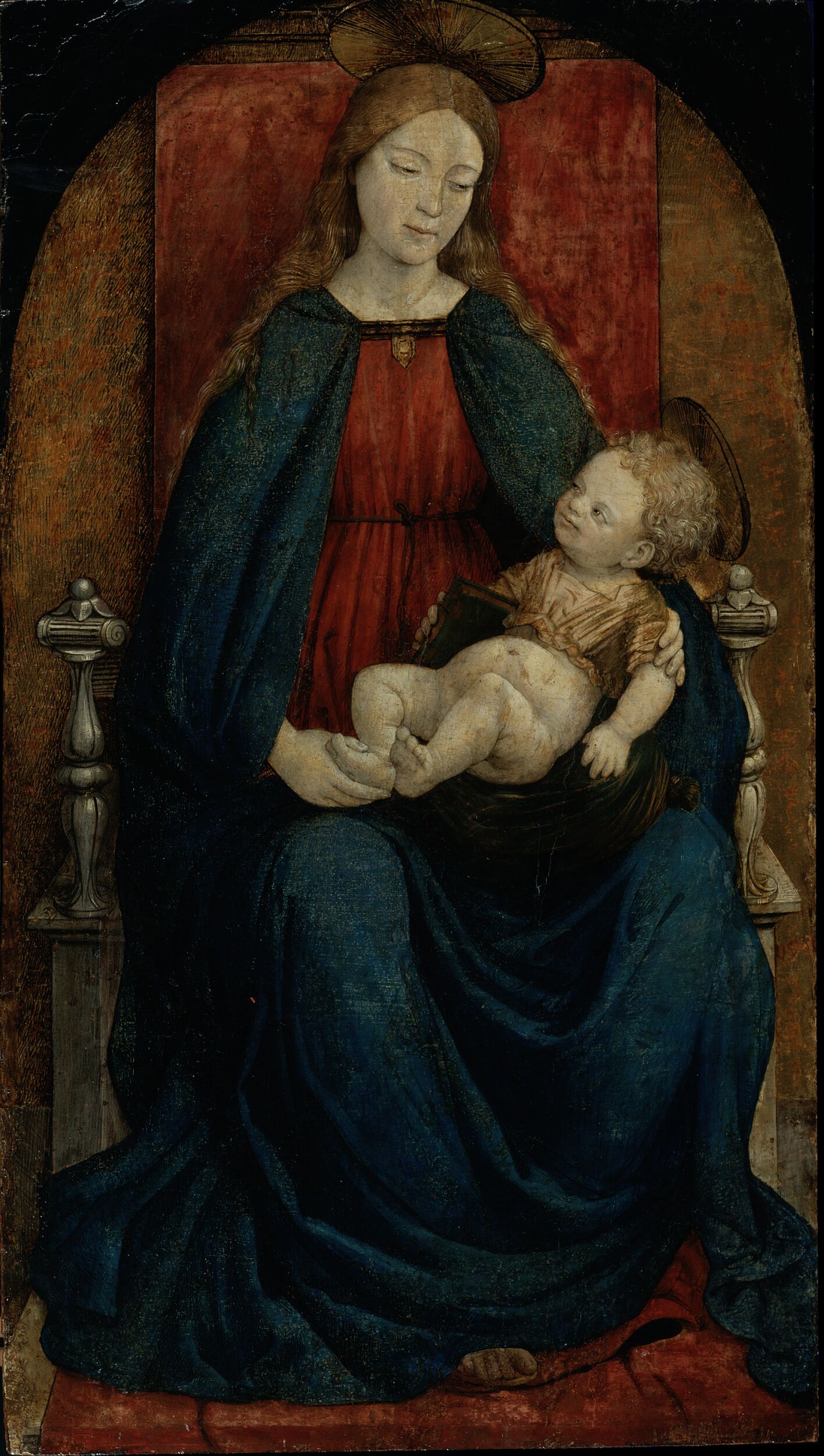
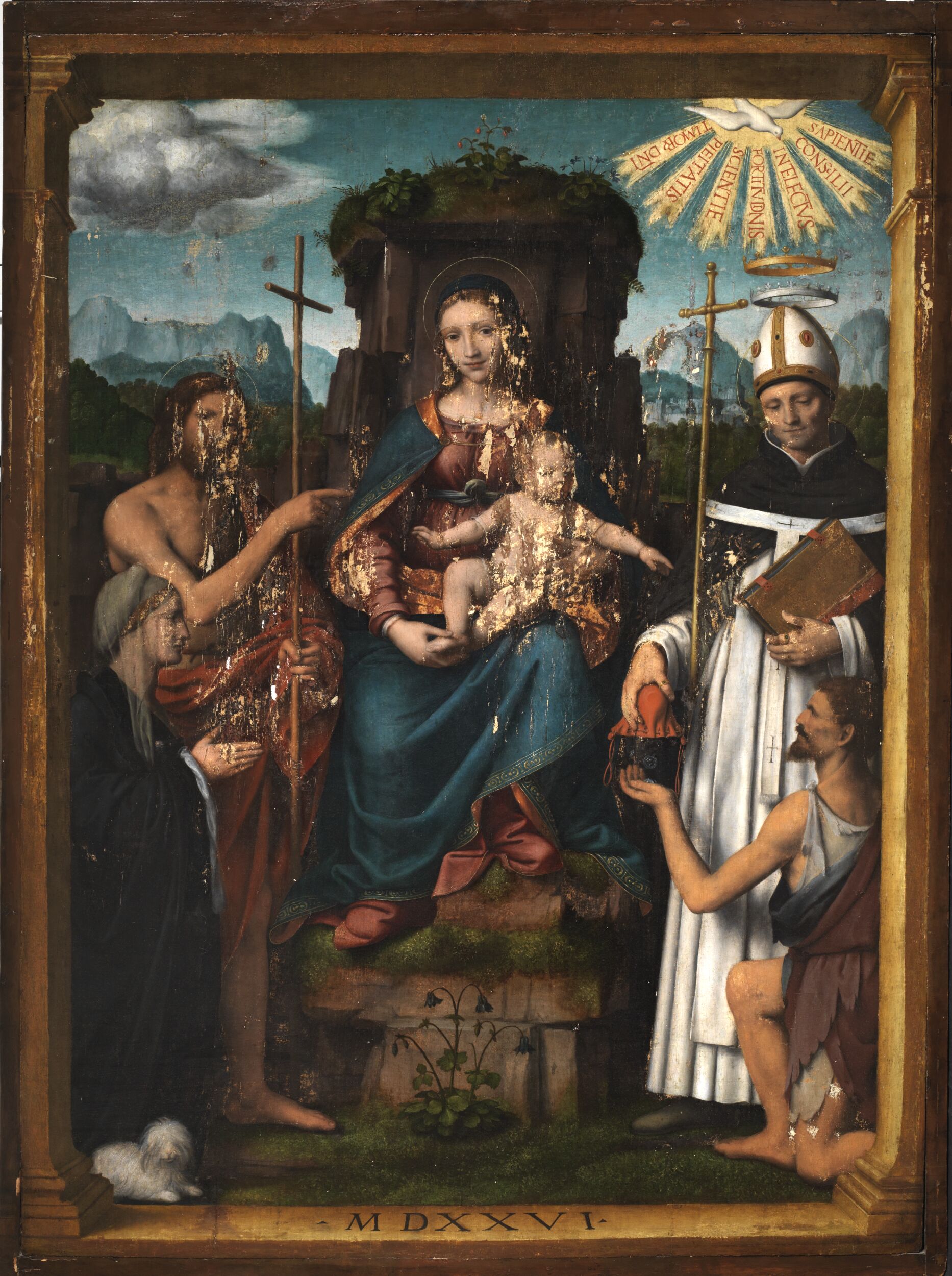
This is the “Virgin and Child Enthroned,” a beautiful example of early 16th‑century Italian panel painting. The work was created around 1500‑1520, a time when tempera on wood panels was still the preferred medium for religious subjects before oil painting began to dominate. The artist—most likely from the Veneto region, possibly Padua or Venice—delivers a serene composition that feels both intimate and majestic.
Notice the careful handling of light: a soft glow bathes the Virgin’s face, highlighting her serene expression, while the Christ child, swaddled in a simple cloth, looks up with an expression that suggests both innocence and divine purpose. The background is muted, a subtle use of ochre and sienna that keeps the focus on the central figures. The tempera technique allows for fine, translucent layers that give the skin tones a gentle luminosity; you can see the faint brushwork when you stand close enough.
The panel itself is relatively modest in size, yet the artist achieves a sense of spaciousness through the balanced placement of the figures and the slight use of diagonal lines in the drapery. In the corners, small symbolic details—perhaps a dove or a floral motif—hint at theological themes of purity and peace. All of these elements combine to create a painting that invites contemplation and reflects the artistic sophistication of early Venetian and Padovan painters.
See it in person
Virgin and Child Enthroned hangs in The Courtauld Gallery at Somerset House, London. Point your phone at any artwork there and audioguide.london plays a free audio guide in six languages — no app download needed.