Salvator Mundi
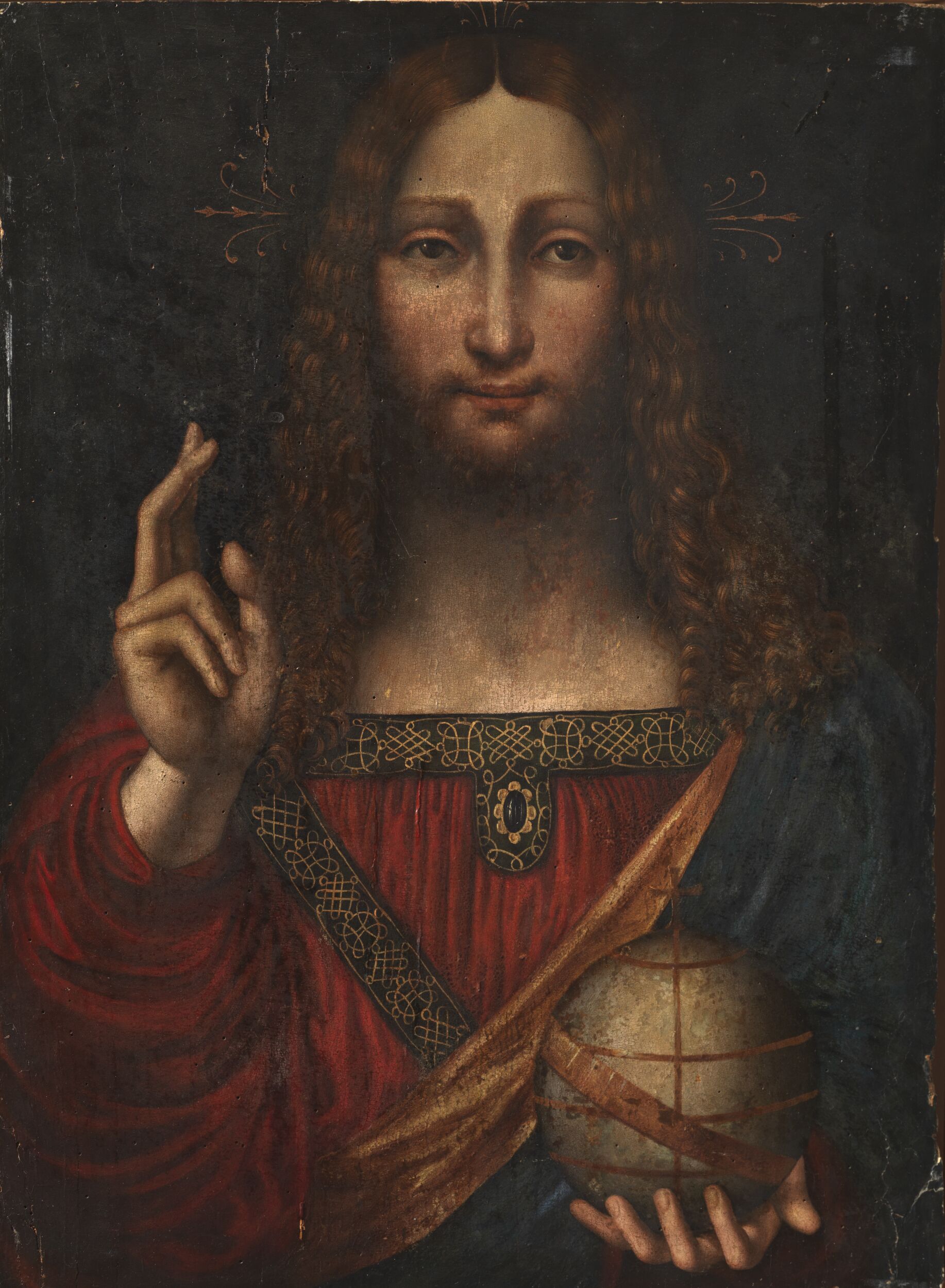
- Artist: Circle ofMarco d' Oggiono (Artists)ca.(Life dates)
- Date: (probably circa) 1510 - 1525
- Medium: tempera on panel
- Museum: The Courtauld Gallery
- Collection record: The Courtauld Gallery website
Listen to the free audio guide
About this artwork
This is the “Salvator Mundi” by the Circle of Marco d’Oggiono. It dates to about 1510‑1525, a period when Italian tempera was still common before oil began to dominate. The work is executed on a wooden panel, a choice that gives the painting a warm, almost translucent quality.
In the composition Christ sits upright, holding a crystal orb that symbolizes the world. His right hand is raised in benediction, while the left hand rests on the orb, a gesture that underscores the balance between spiritual authority and earthly stewardship. The palette is restrained, with muted reds, blues, and a subtle gold background that reflects light and adds a luminous depth. The tempera technique allows for precise, delicate brushwork; each pigment layer builds a faint but noticeable texture that catches the eye when you move around the piece.
The Circle of Marco d’Oggiono, a workshop rather than a single master, produced works that blended the naturalism of the High Renaissance with the lingering influence of earlier Florentine styles. This painting reflects that hybrid approach: the figures are anatomically correct yet softened by a gentle, almost poetic touch. The overall effect is a serene, contemplative scene that invites viewers to pause and reflect on the divine and the mundane intertwined.
See it in person
Salvator Mundi hangs in The Courtauld Gallery at Somerset House, London. Point your phone at any artwork there and audioguide.london plays a free audio guide in six languages — no app download needed.
More from The Courtauld Gallery
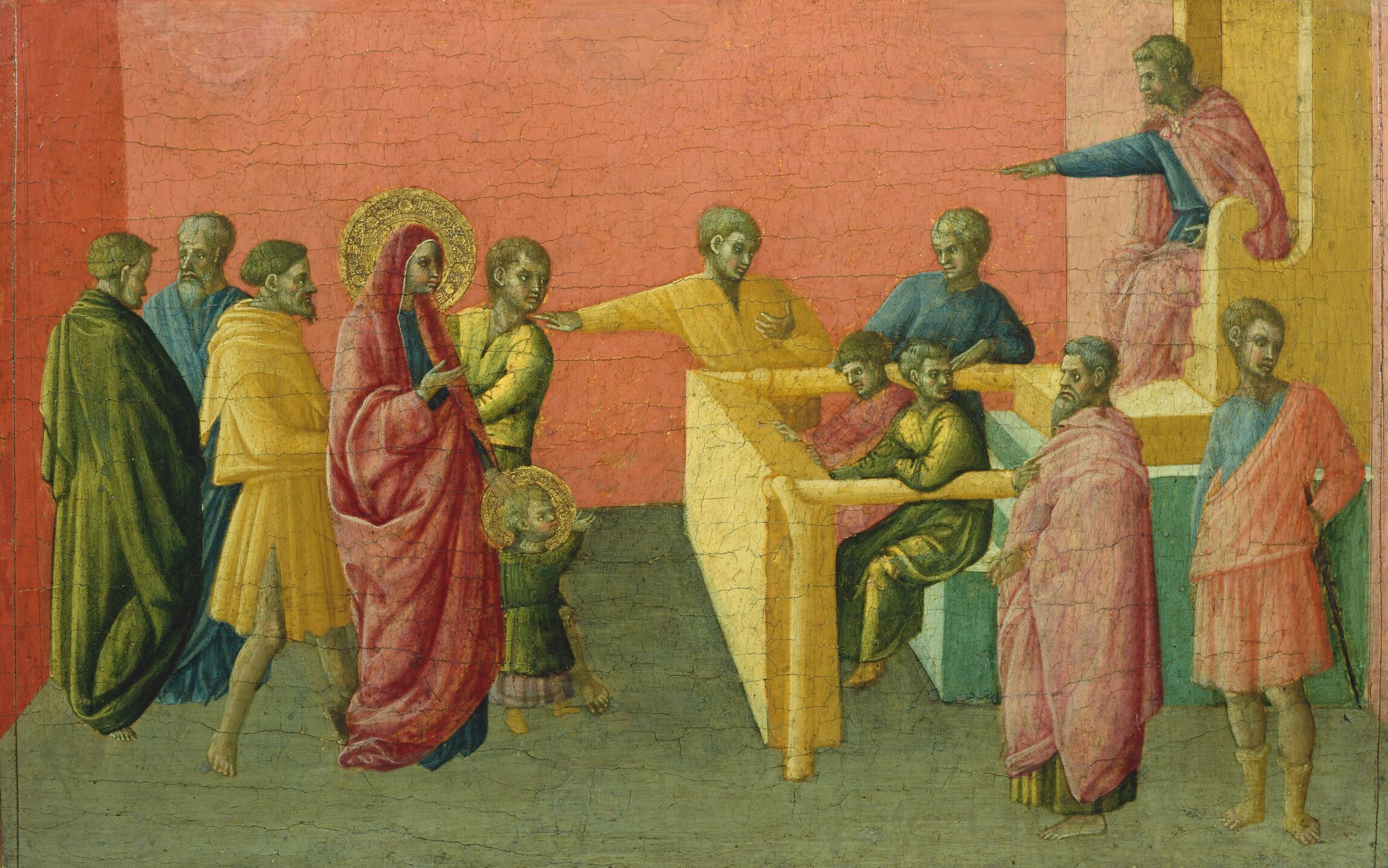
Saints accused of embracing Christianity (left panel)
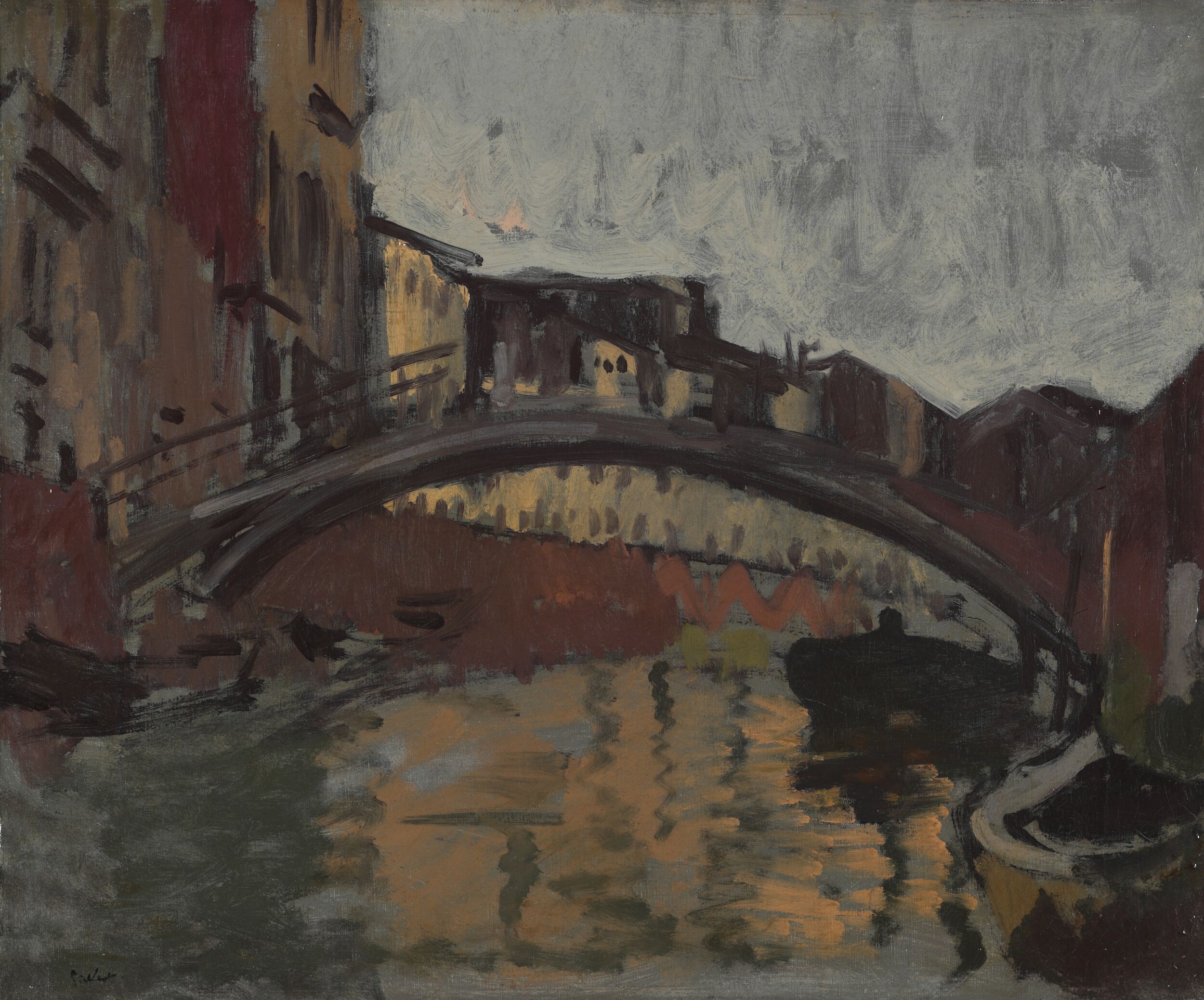
San Trovaso, Venice
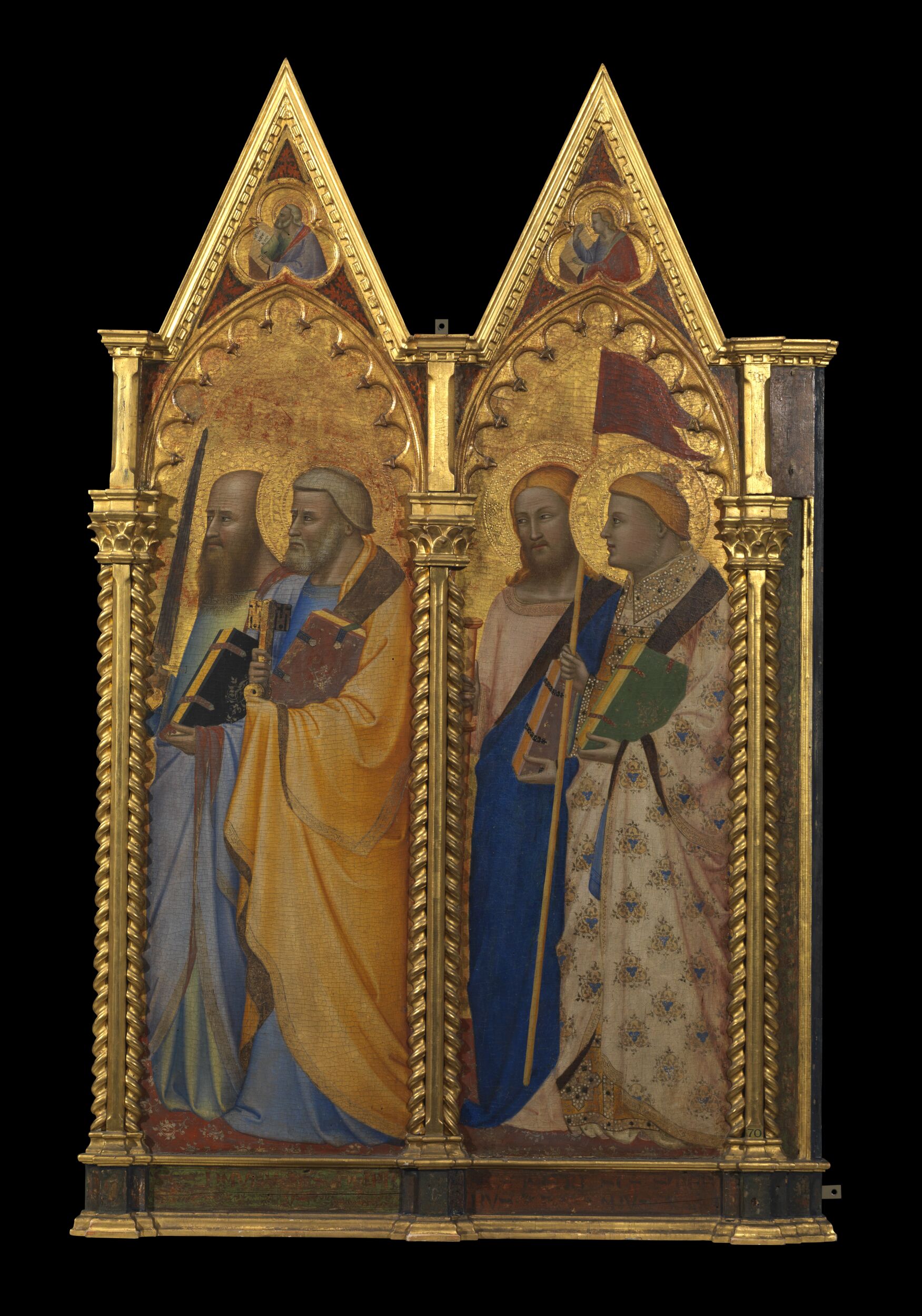
Saints Peter and Paul (right panel) (recto)Imitation marble panel and two female angels (verso)An Evangelist (gable)

Scenes from the life of Mary Magdalene (four predella panels - a. Christ teaching; b. feast in the house of Simon; c. Noli me Tangere; d. last moments of the Magdalene)