Portrait of a Man
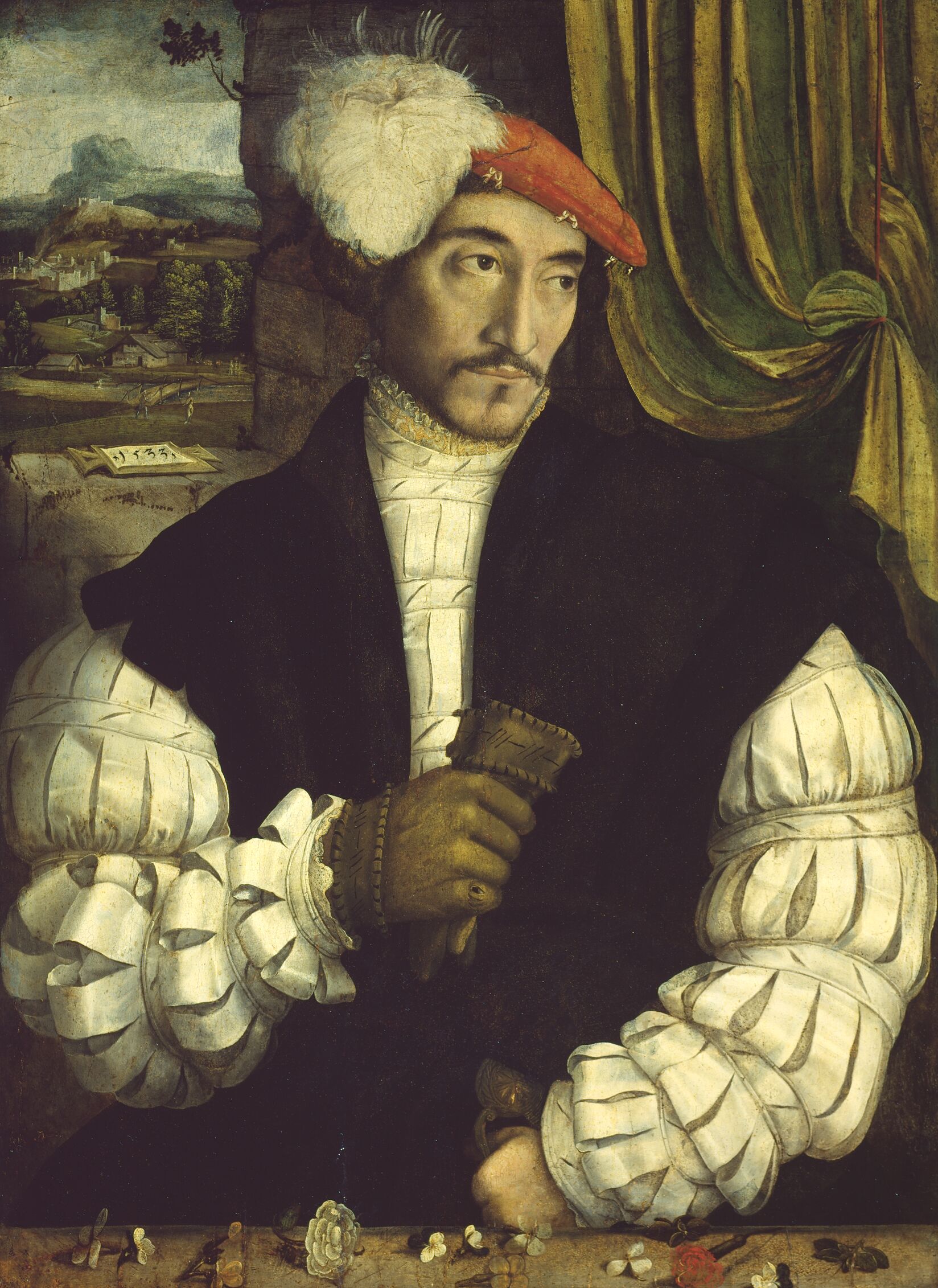
- Artist: Germany (Bavaria or Austria) 16th century
- Date: 1533
- Medium: oil on panel
- Museum: The Courtauld Gallery
- Collection record: The Courtauld Gallery website
Listen to the free audio guide
About this artwork
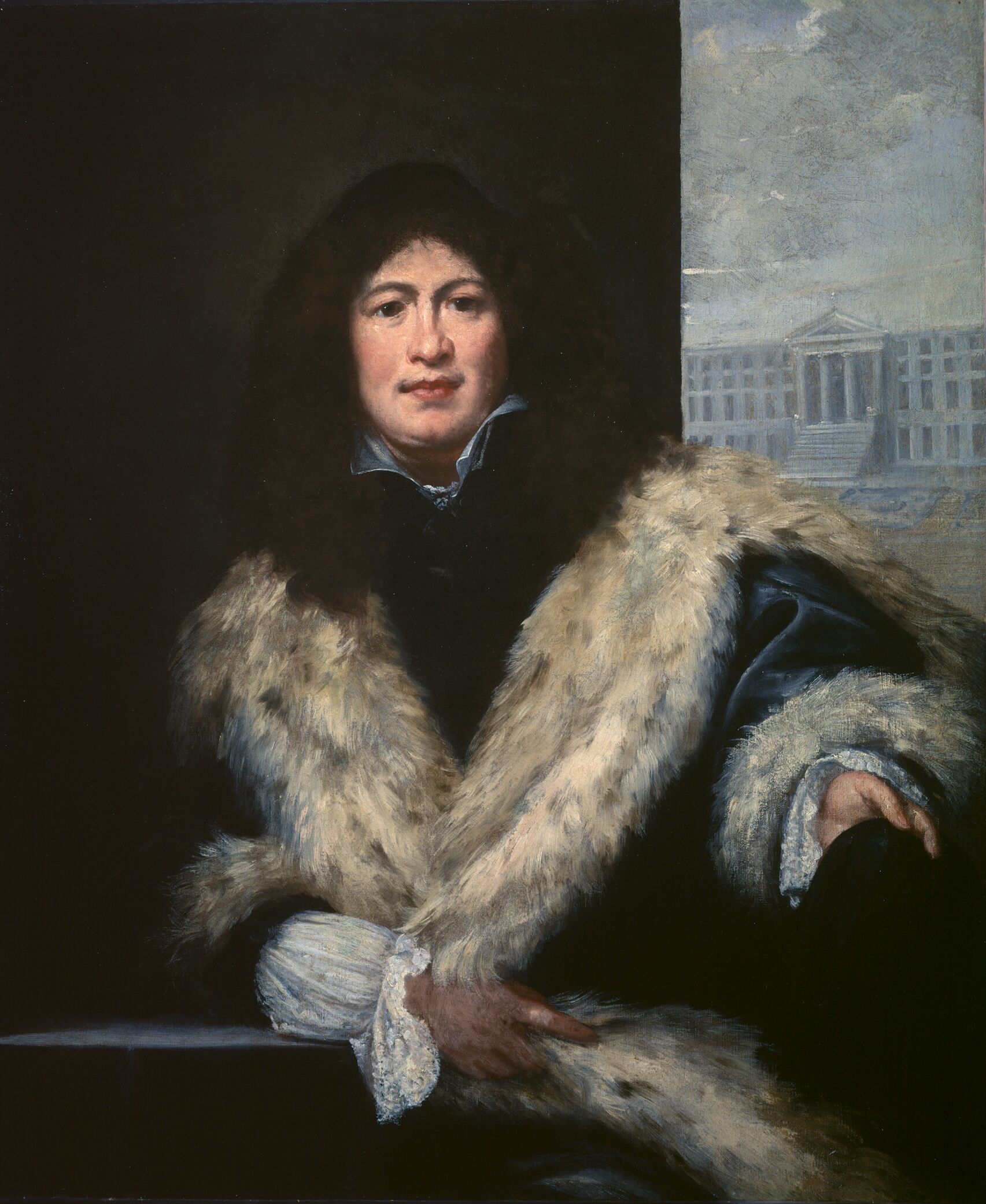
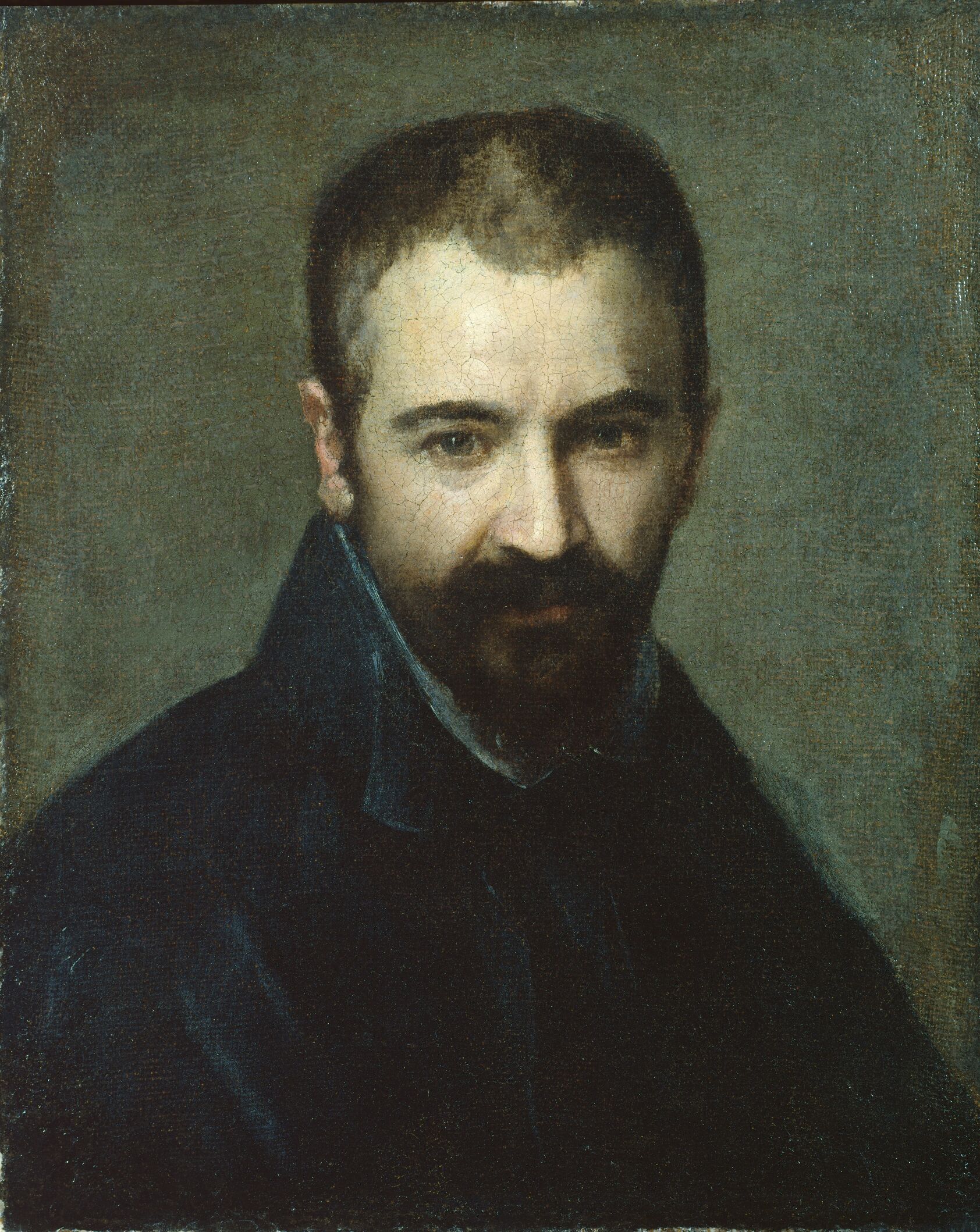
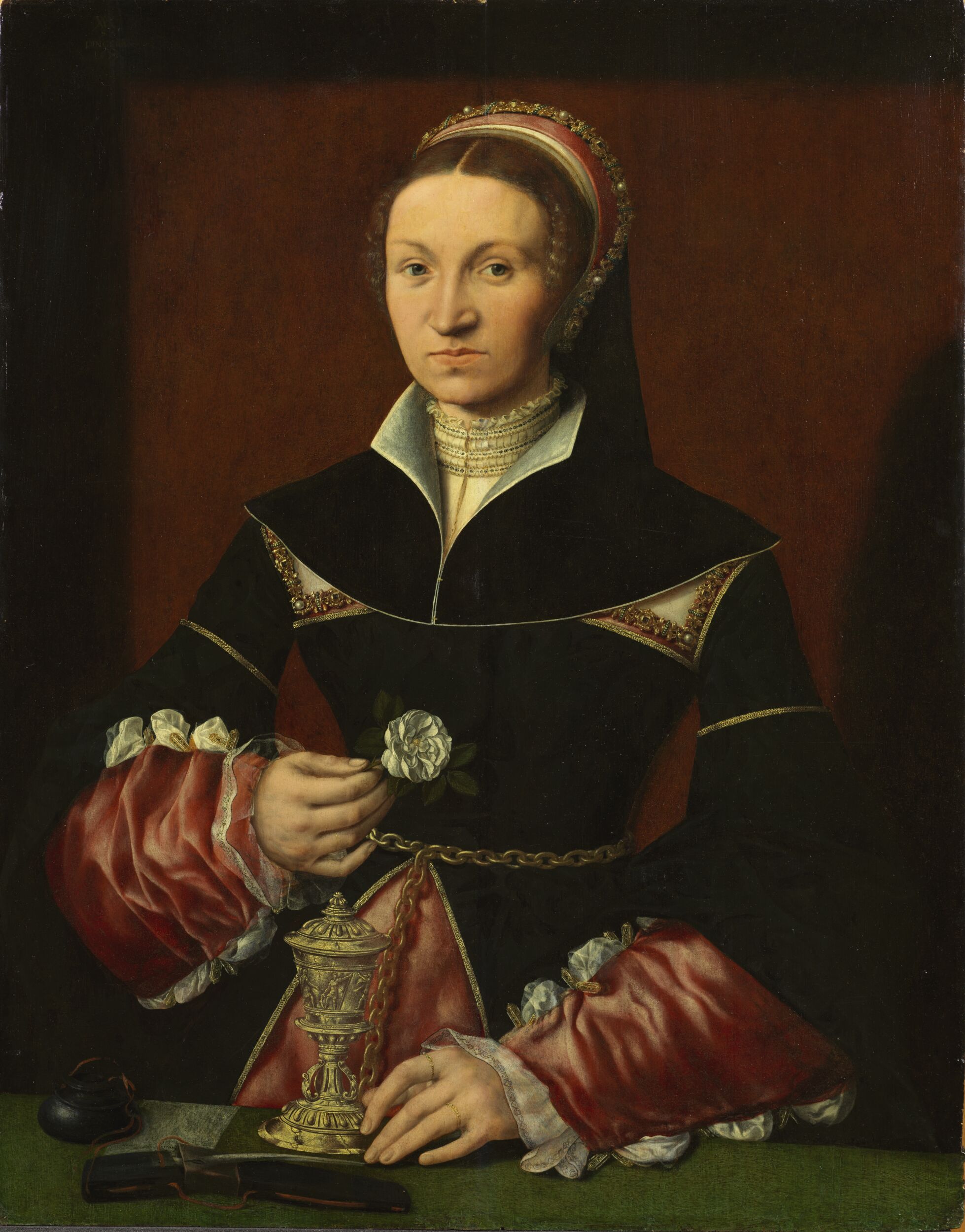
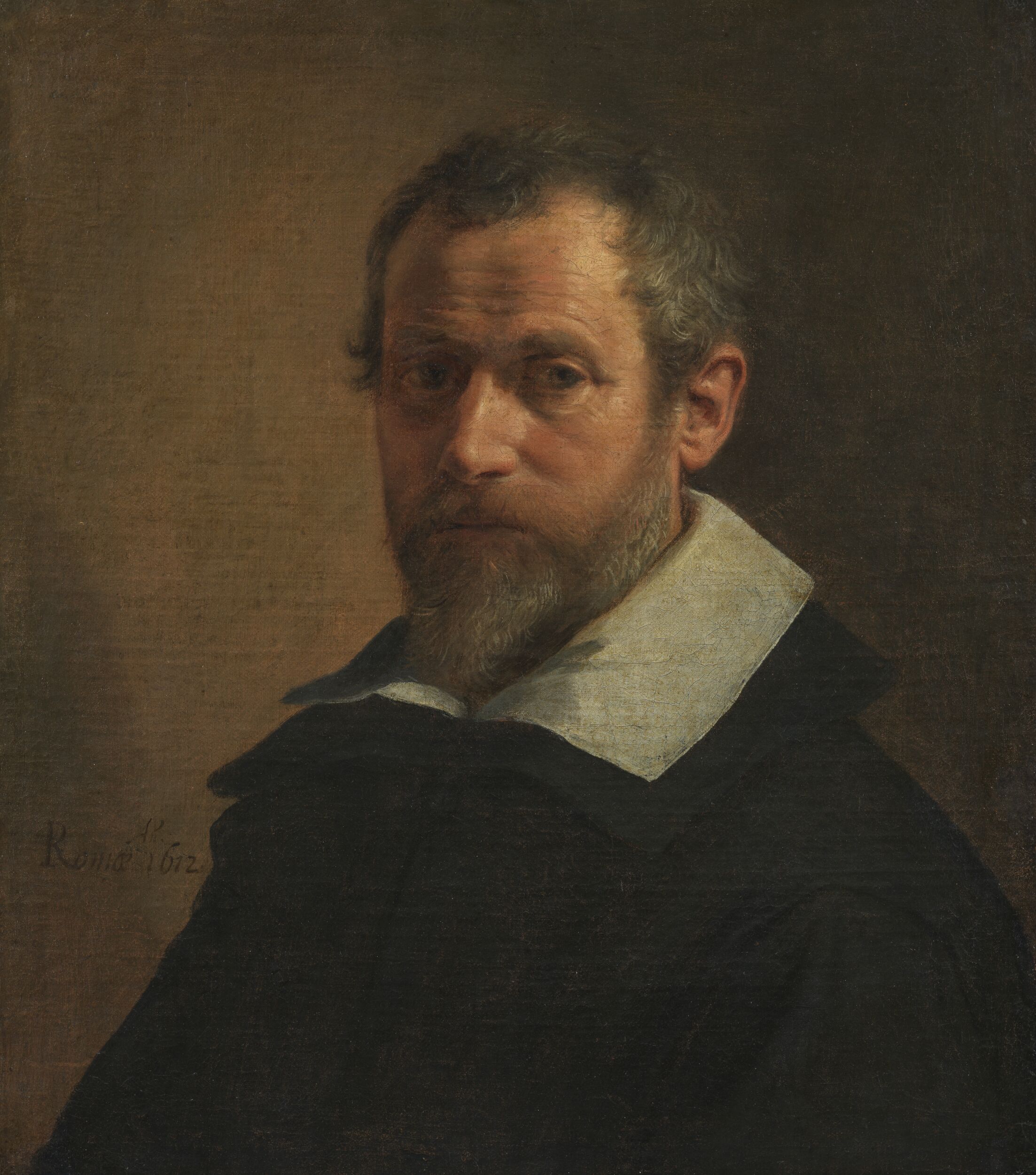
This is the “Portrait of a Man,” an oil on panel from 1533, created in the 16th‑century artistic milieu of Bavaria or Austria. The work sits at the crossroads of two vibrant traditions: it shows a clear grasp of German portrait conventions—sharp profile, restrained expression—yet its treatment of drapery and the subtle play of light echo the techniques of contemporary Italian painters. The artist was clearly comfortable with both styles, suggesting that ideas were flowing freely across the Alps during this period.
The sitter’s face is serene, almost aloof, and the composition is balanced by the window framing on the right. The detail of the engraved tablet beneath the window reveals the year, confirming the 1533 date. Beyond that, we have no clear record of the sitter’s identity. Yet his tailored coat, fine lace collar, and polished sword point to someone of high rank, possibly a courtier or regional noble. The presence of the sword also hints at the era’s emphasis on martial prowess and status.
The panel’s surface shows the fine oil glazing typical of the time, with subtle glazes that give the skin a luminous quality. The drapery folds, rendered with a delicate touch, move almost like fabric caught in a gentle breeze, a hallmark of the Italian influence. The background is muted, ensuring that all attention remains on the figure and his compositional presence.
Overall, this portrait exemplifies the blend of German precision and Italian elegance that defined early 16th‑century Central European portraiture. Its enigmatic sitter invites viewers to imagine the stories behind the polished face and the noble sword, while the dated tablet anchors it firmly in the year 1533.
See it in person
Portrait of a Man hangs in The Courtauld Gallery at Somerset House, London. Point your phone at any artwork there and audioguide.london plays a free audio guide in six languages — no app download needed.