Players upon a Stage
- Artist: Wyndham Lewis
- Date: 1936 - 1937
- Museum: The Courtauld Gallery
- Collection record: The Courtauld Gallery website
Listen to the free audio guide
About this artwork
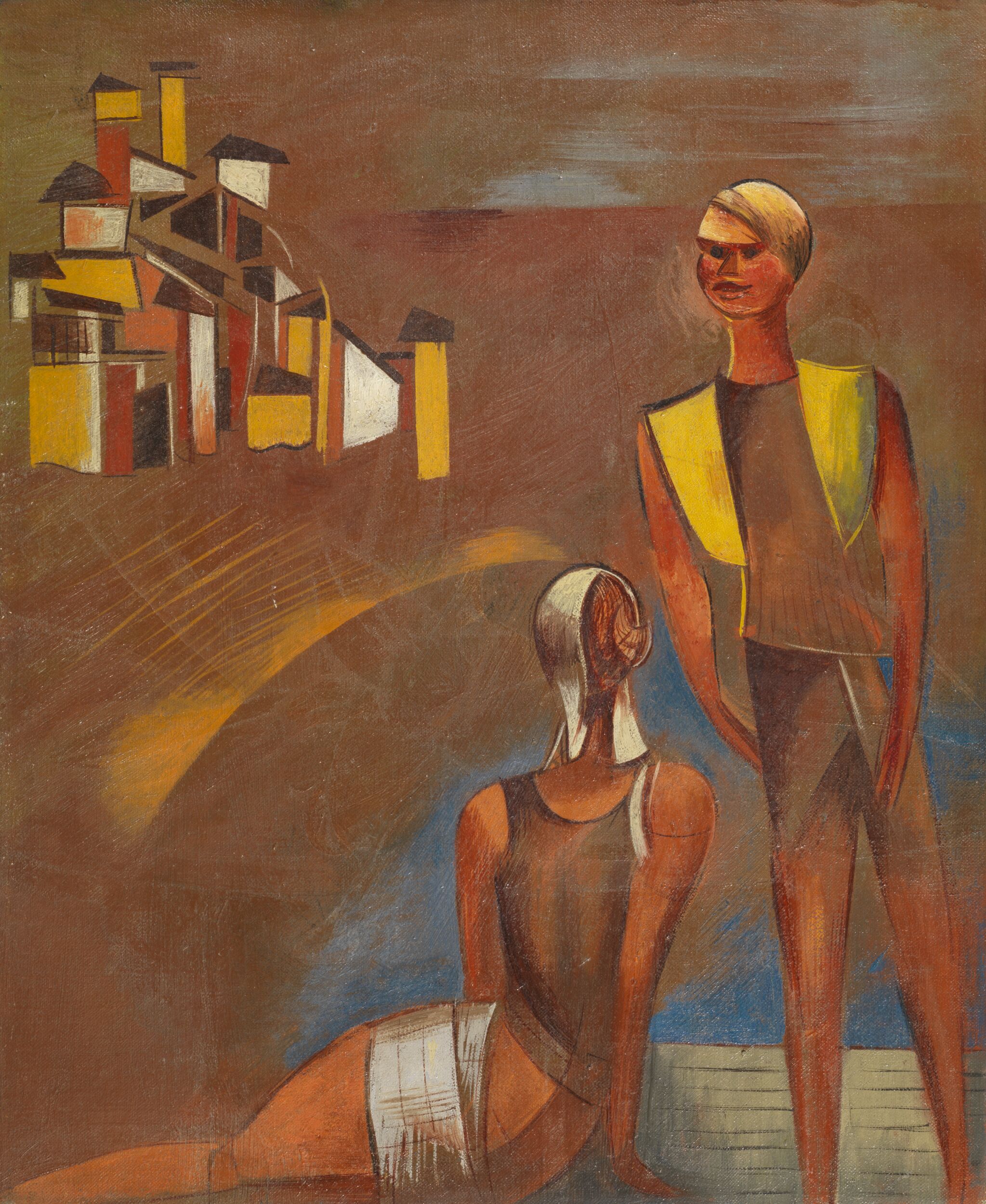
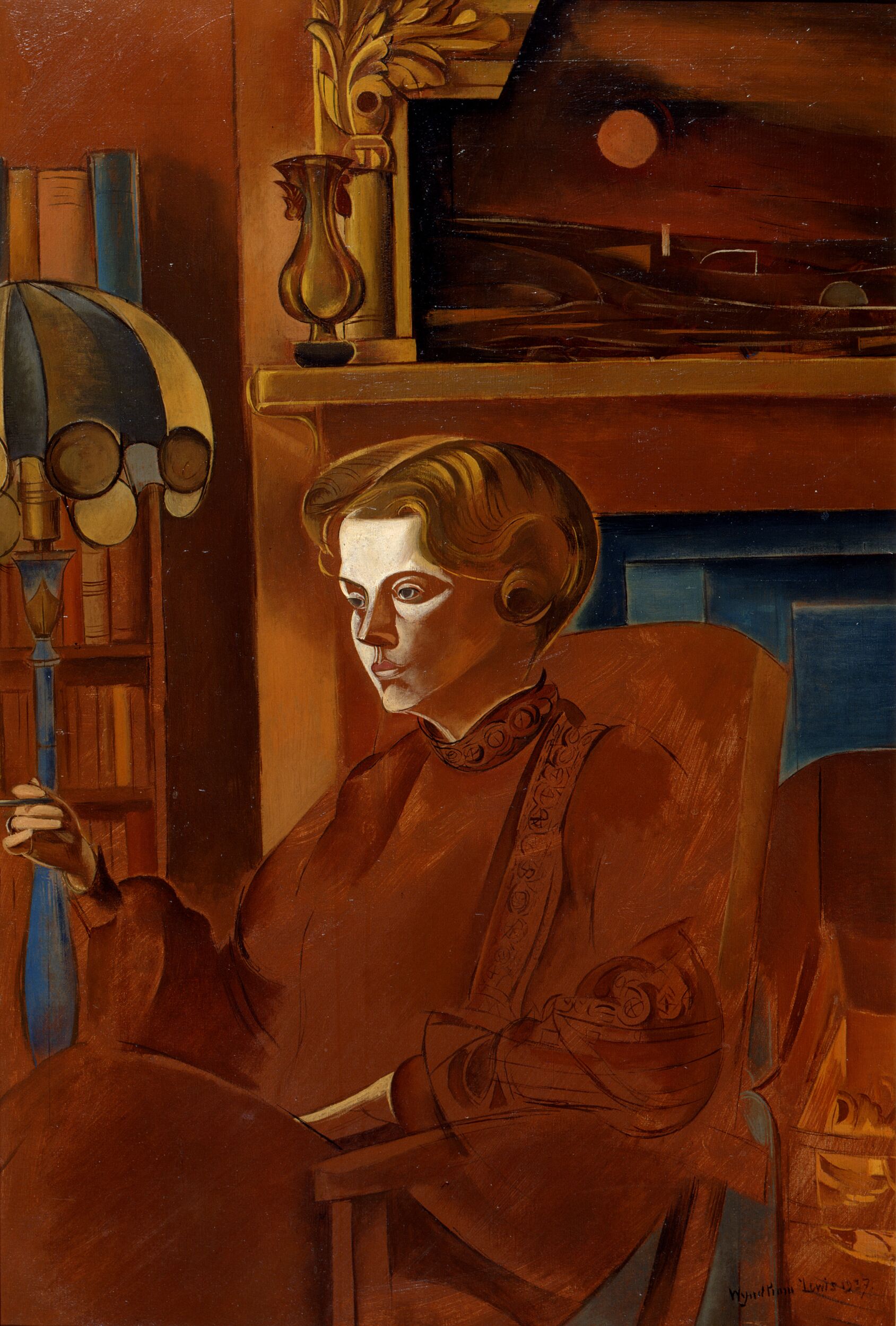
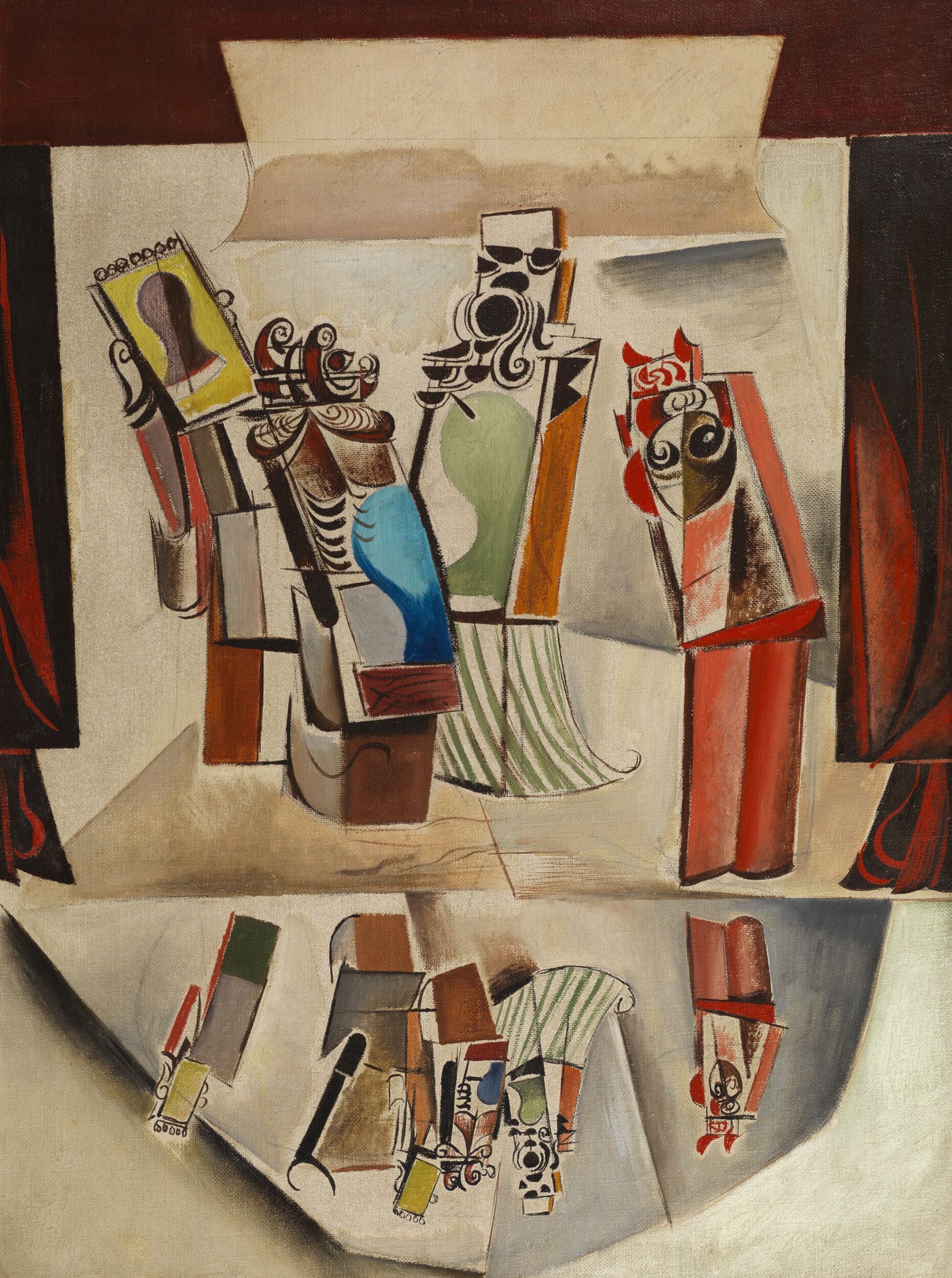
This is the “Players upon a Stage” by Wyndham Lewis. Created in 1936‑1937, the canvas draws the viewer into a theatrical tableau that feels both immediate and symbolic. Lewis, a key figure of early twentieth‑century English modernism, uses bold, angular forms to give each actor a sculptural presence. The figures are rendered with a mix of sharp outlines and flattened planes, a technique that echoes his Vorticist roots while also pushing toward a more lyrical modernism.
The stage itself is almost a character, with stark, angular proscenium arches that slice the scene into distinct compartments. Light falls from a single, off‑center source, creating strong contrasts that heighten the dramatic tension. The color palette is deliberately muted, with deep reds, ochres, and subdued blues, lending the scene a timeless quality that feels both historic and contemporary.
Lewis’s interest in the psychology of performance is evident in the varied gestures: some figures are poised, others flung into motion, suggesting the clash between restraint and improvisation that defines theater. The composition balances this dynamic energy with a sense of order, as if Lewis is inviting us to contemplate the interplay between structure and freedom in creative expression.
Overall, “Players upon a Stage” stands as a striking meditation on performance, identity, and the modern artist’s role, capturing the energy of the stage in a way that still feels fresh and relevant.
See it in person
Players upon a Stage hangs in The Courtauld Gallery at Somerset House, London. Point your phone at any artwork there and audioguide.london plays a free audio guide in six languages — no app download needed.