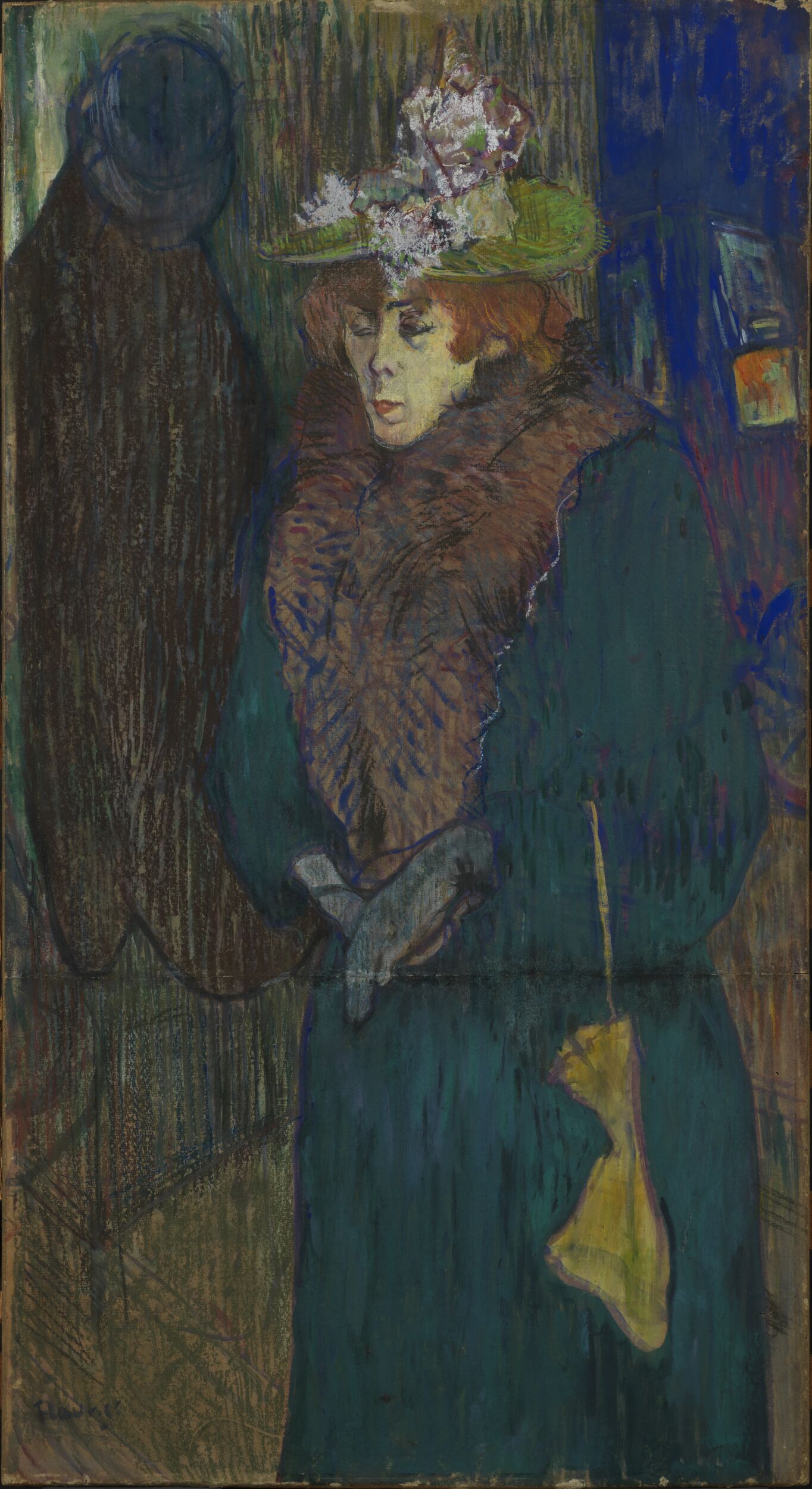
Janus and Saturn (after Veronese)

- Artist: Italy (?) 18th century
- Date: (probably circa) 1730 - 1770
- Medium: oil on paper on canvas
- Museum: The Courtauld Gallery
- Collection record: The Courtauld Gallery website
Listen to the free audio guide
About this artwork
This is the “Janus and Saturn (after Veronese)” painted in Italy in the 18th century, likely around 1730‑1770. The work is an intriguing example of a post‑Baroque reinterpretation of a classic Veronese composition. The canvas measures modestly, with oil applied over paper and then transferred onto a canvas support, a technique that was gaining popularity in Rome at the time to achieve a brighter, more luminous surface.
The scene depicts two mythological figures: Janus, the two‑faced god of gates and transitions, turned toward the viewer with a cautious, forward‑looking gaze; and Saturn, the aged ruler of harvest, positioned more calmly to the left, his hands folded in contemplative repose. The contrast between the energetic posture of Janus and the measured serenity of Saturn invites the viewer to consider themes of change versus stability, a common preoccupation in 18th‑century Italian art.
Veronese’s influence is clear in the rich color palette—deep reds, warm ochres, and a touch of cobalt blue for the background sky—and in the careful rendering of drapery that follows his late‑Baroque taste for naturalism. The composition balances dramatic light with subtle shadow, giving depth to the otherwise flat surface.
Overall, this painting showcases the continued fascination with mythological subjects and the evolving techniques of the Italian art world during the 1700s, offering a nuanced glimpse into how earlier masters were reinterpreted by later artists.
See it in person
Janus and Saturn (after Veronese) hangs in The Courtauld Gallery at Somerset House, London. Point your phone at any artwork there and audioguide.london plays a free audio guide in six languages — no app download needed.