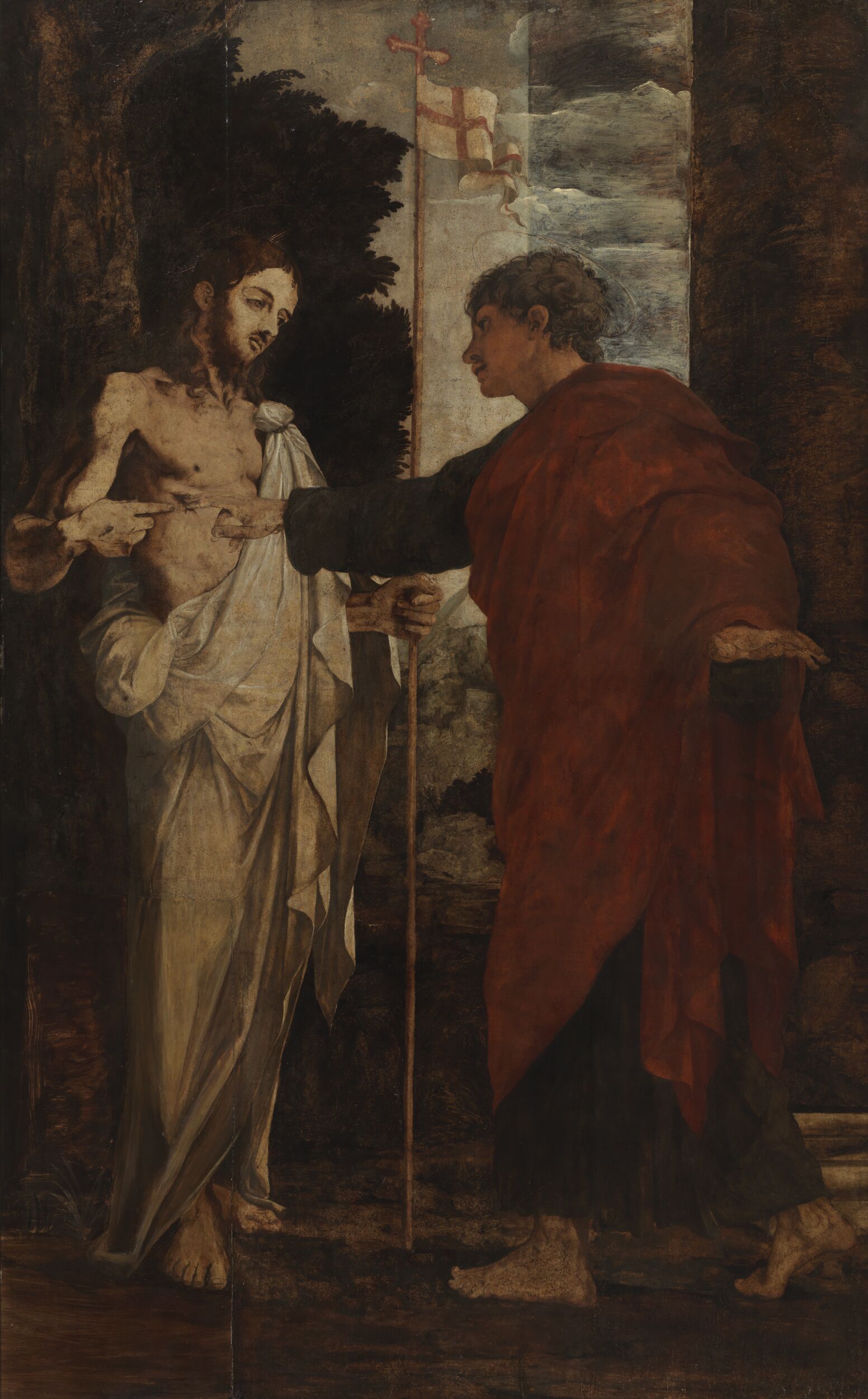
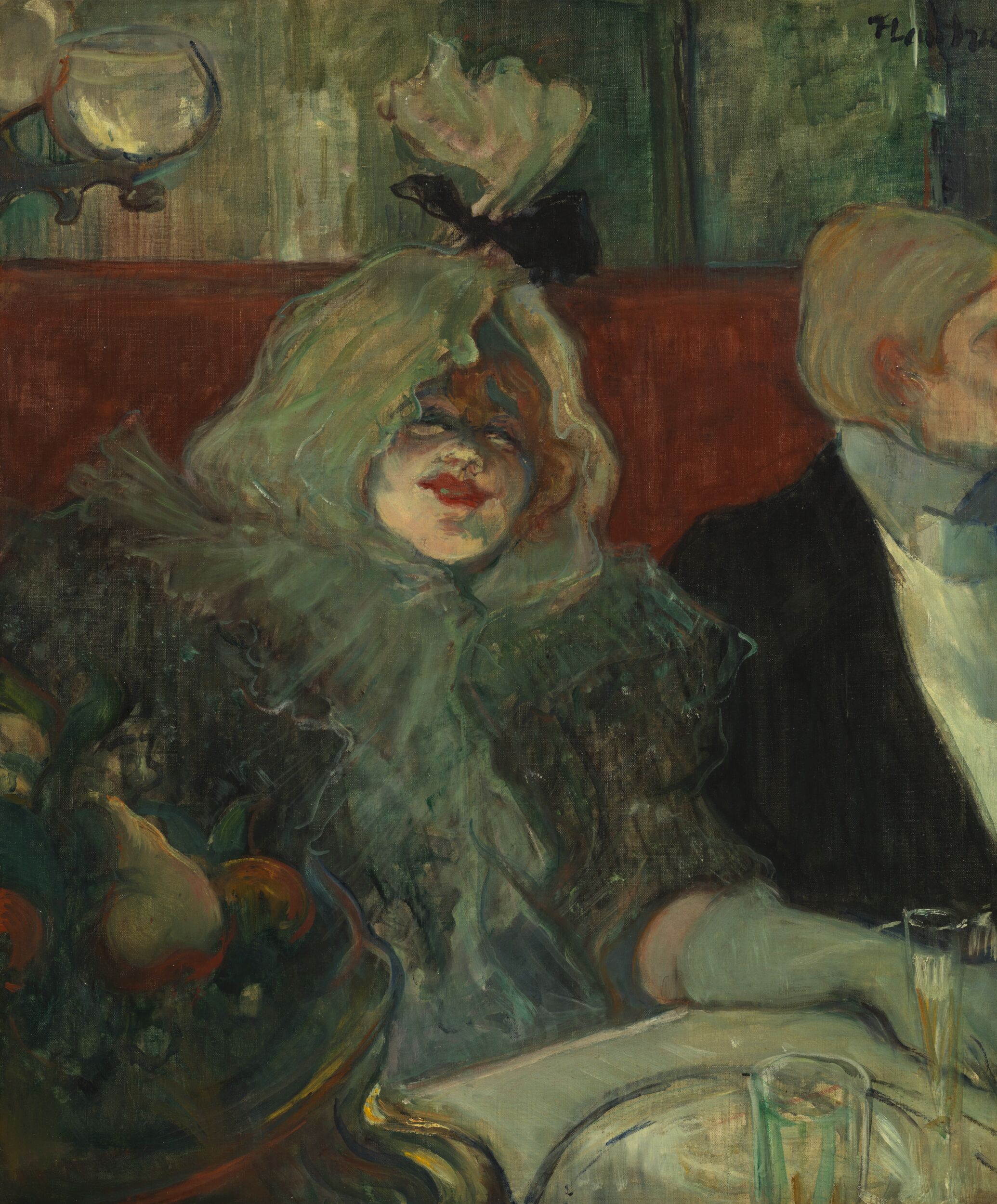
Infant Saint John with a Female Saint and a Warrior Saint

- Artist: Vincenzo di Biagio Catena
- Date: 1510 - 1520
- Medium: oil on canvas
- Museum: The Courtauld Gallery
- Collection record: The Courtauld Gallery website
Listen to the free audio guide
About this artwork
This is the Infant Saint John with a Female Saint and a Warrior Saint by Vincenzo di Biagio Catena, painted between 1510 and 1520. The oil on canvas shows Catena’s delicate handwork and careful use of color, characteristic of early 16th‑century Italian painting.
The composition centers on a small, cherubic infant holding a lily—an emblem of purity—while the female saint, likely Saint Catherine or a patron saint, reaches out with a gentle hand. The warrior saint stands to the right, armor gleaming, holding a sword that symbolizes divine protection. The three figures are arranged within a shallow, softly illuminated interior, hinting at a private chapel rather than a grand cathedral.
Catena’s palette balances warm ochres with cool blues, creating a harmonious balance. The background is a subtle blue with faint architectural lines, suggesting a modest sanctuary. The artist’s brushwork is finely detailed, especially in the folds of the saints’ garments and the intricate pattern on the warrior’s armor. Light falls gently across the faces, drawing attention to the infant’s serene expression.
In the broader context, the painting reflects the Counter‑Reformation emphasis on personal devotion. Catena, known for his devotional works, captures the tenderness of the holy trio while maintaining a sense of reverence and intimacy. The oil medium allows for subtle glazing, giving the piece a luminous quality that invites viewers to linger and contemplate the sacred moment.
See it in person
Infant Saint John with a Female Saint and a Warrior Saint hangs in The Courtauld Gallery at Somerset House, London. Point your phone at any artwork there and audioguide.london plays a free audio guide in six languages — no app download needed.