Christ Driving the Moneylenders from the Temple

- Artist: Giovanni de' Vecchi (Giovanni del Borgo)
- Date: (circa) 1575 - 1590
- Medium: oil on canvas
- Museum: The Courtauld Gallery
- Collection record: The Courtauld Gallery website
Listen to the free audio guide
About this artwork
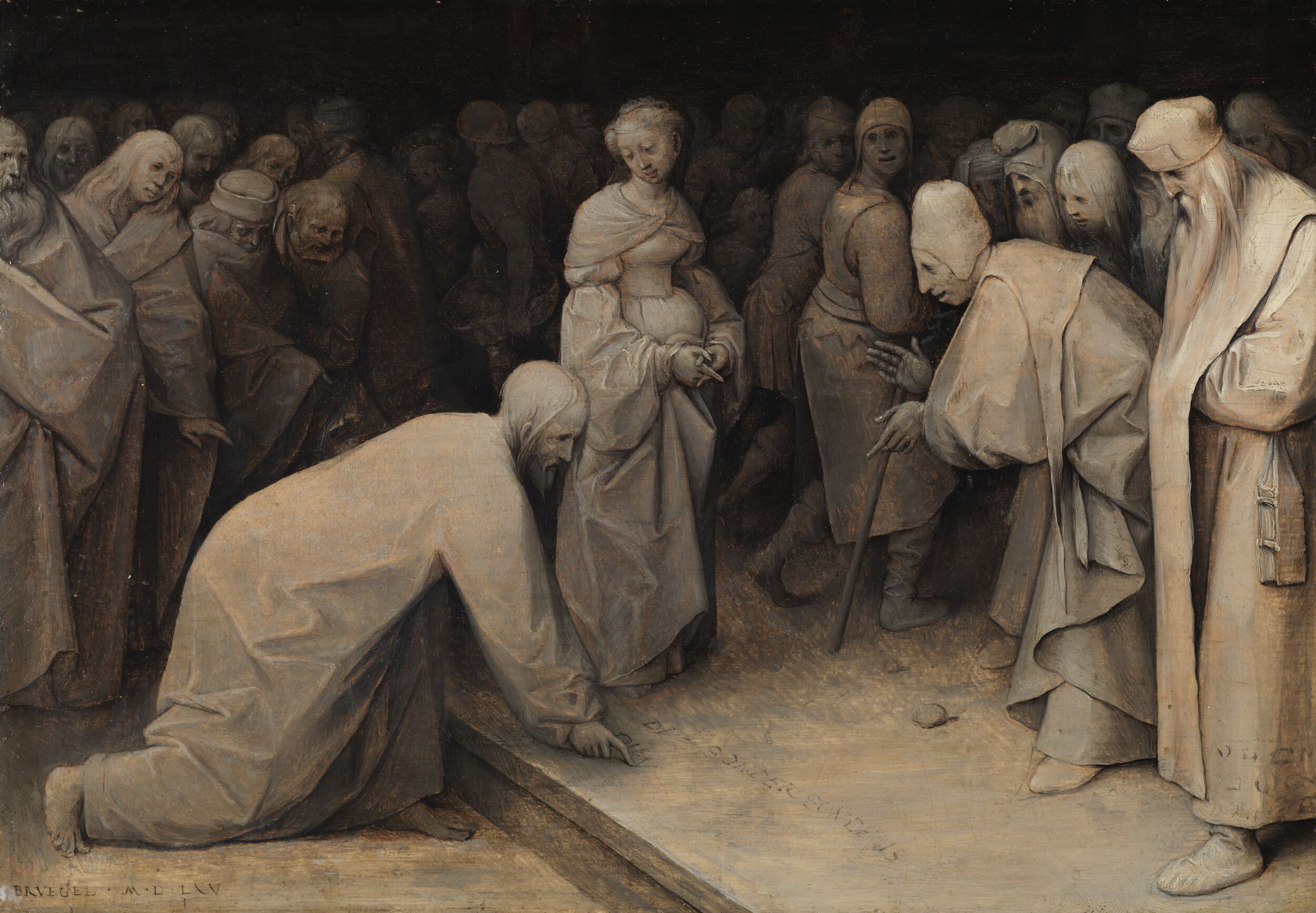
This is the “Christ Driving the Moneylenders from the Temple” by Giovanni de' Vecchi, a mid‑sixteenth‑century Italian painter sometimes called Giovanni del Borgo. The work, executed in oil on canvas around 1575‑1590, captures the biblical moment when Jesus expels the merchants and money changers from the temple courts in Jerusalem. The scene is rendered with a dramatic, almost theatrical intensity that hints at the late Renaissance or early Mannerist currents circulating in northern Italy at the time.
Notice the way de' Vecchi balances the composition: a central column of figures—Christ at the forefront, flanked by a crowd of traders, temple priests, and bewildered onlookers—creates a vertical thrust that pulls the eye upward. The light is sharp, coming from an unseen source to illuminate Christ’s figure, while the surrounding figures are cast in deeper, earthy tones, emphasizing the moral drama. Brushwork is somewhat loose, giving a sense of motion as the merchants are pushed back. The use of warm reds and ochres adds a sense of urgency and emotional heat to the scene.
Historically, this painting reflects the Counter‑Reformation’s emphasis on preaching the Gospel’s moral authority. De' Vecchi’s choice to focus on the cleansing of the temple underscores themes of purity, justice, and the reclamation of sacred space—ideas that resonated deeply with contemporary audiences.
See it in person
Christ Driving the Moneylenders from the Temple hangs in The Courtauld Gallery at Somerset House, London. Point your phone at any artwork there and audioguide.london plays a free audio guide in six languages — no app download needed.