Black on Maroon
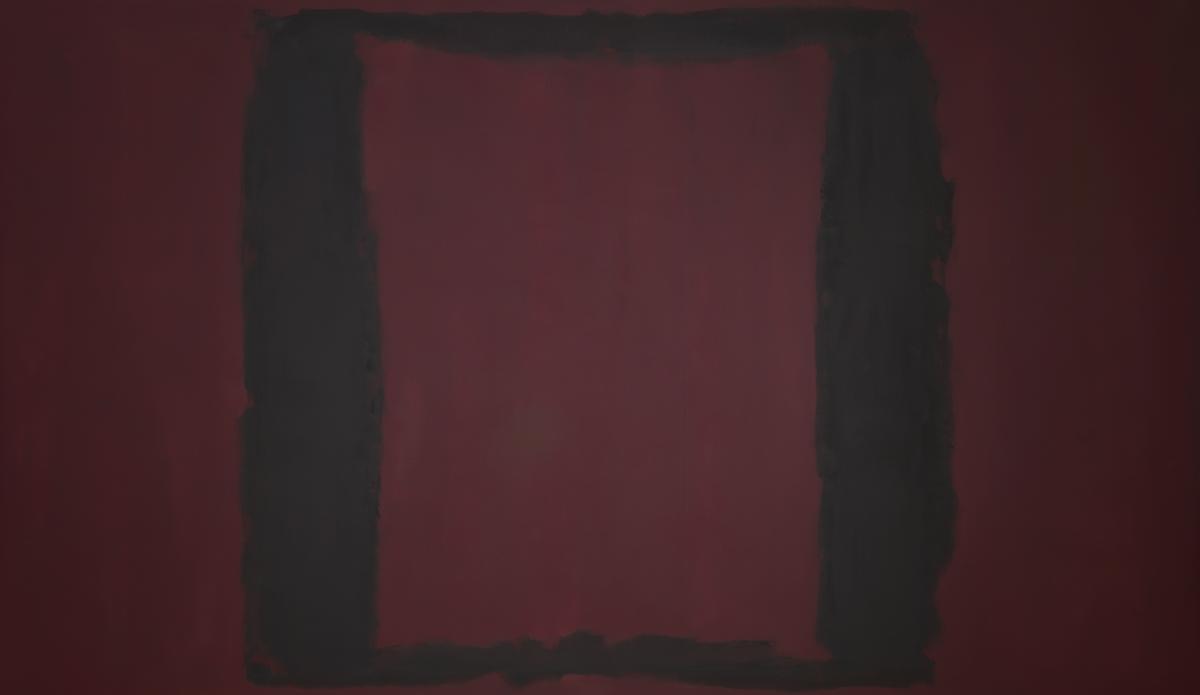
- Artist: Mark Rothko
- Date: 1959
- Medium: Oil paint, acrylic paint and glue tempera on canvas
- Dimensions: support: 2667 x 4572 x 38 mm
- Museum: Tate Modern
- Collection record: Tate Modern website
Listen to the free audio guide
About this artwork
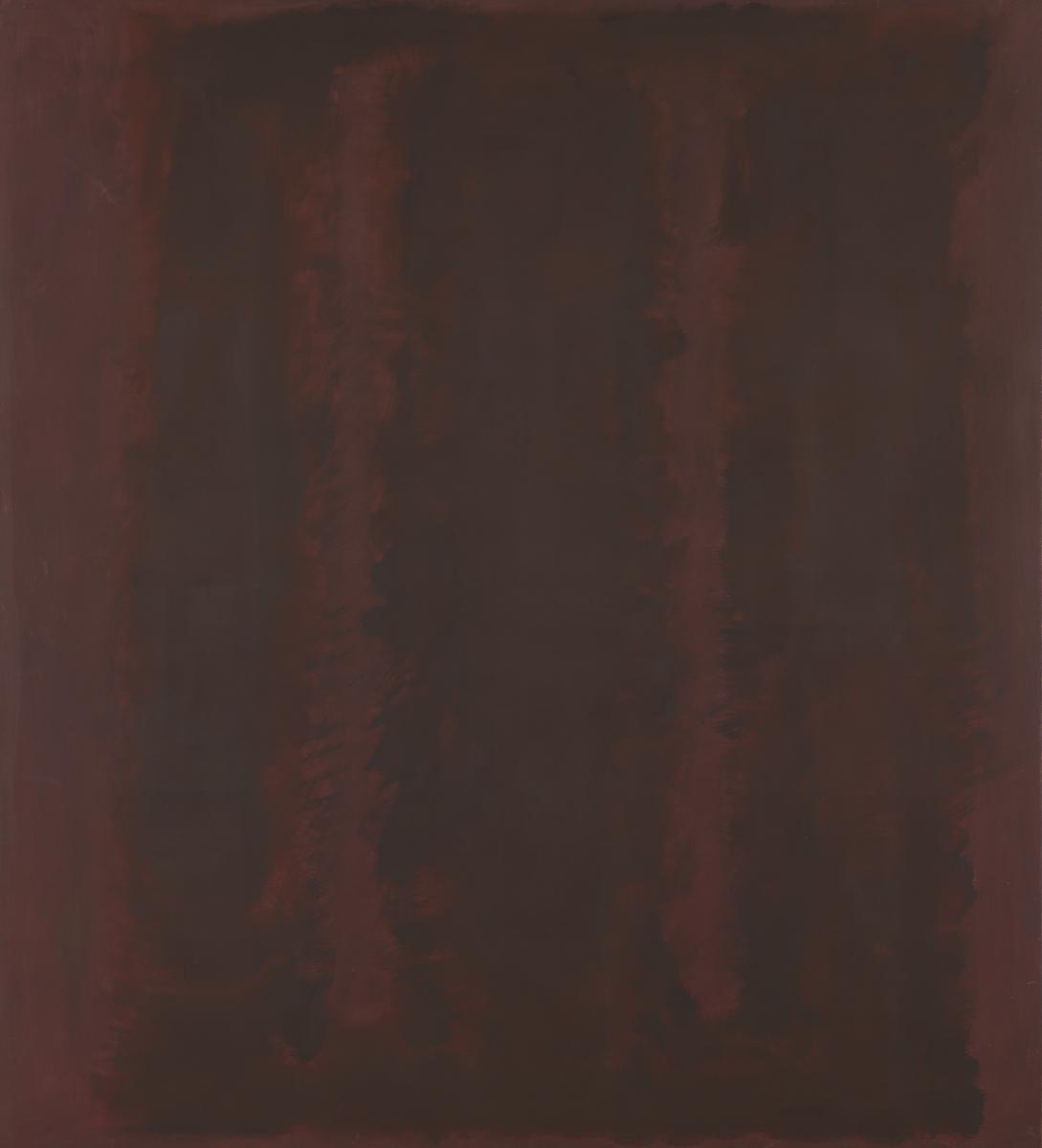
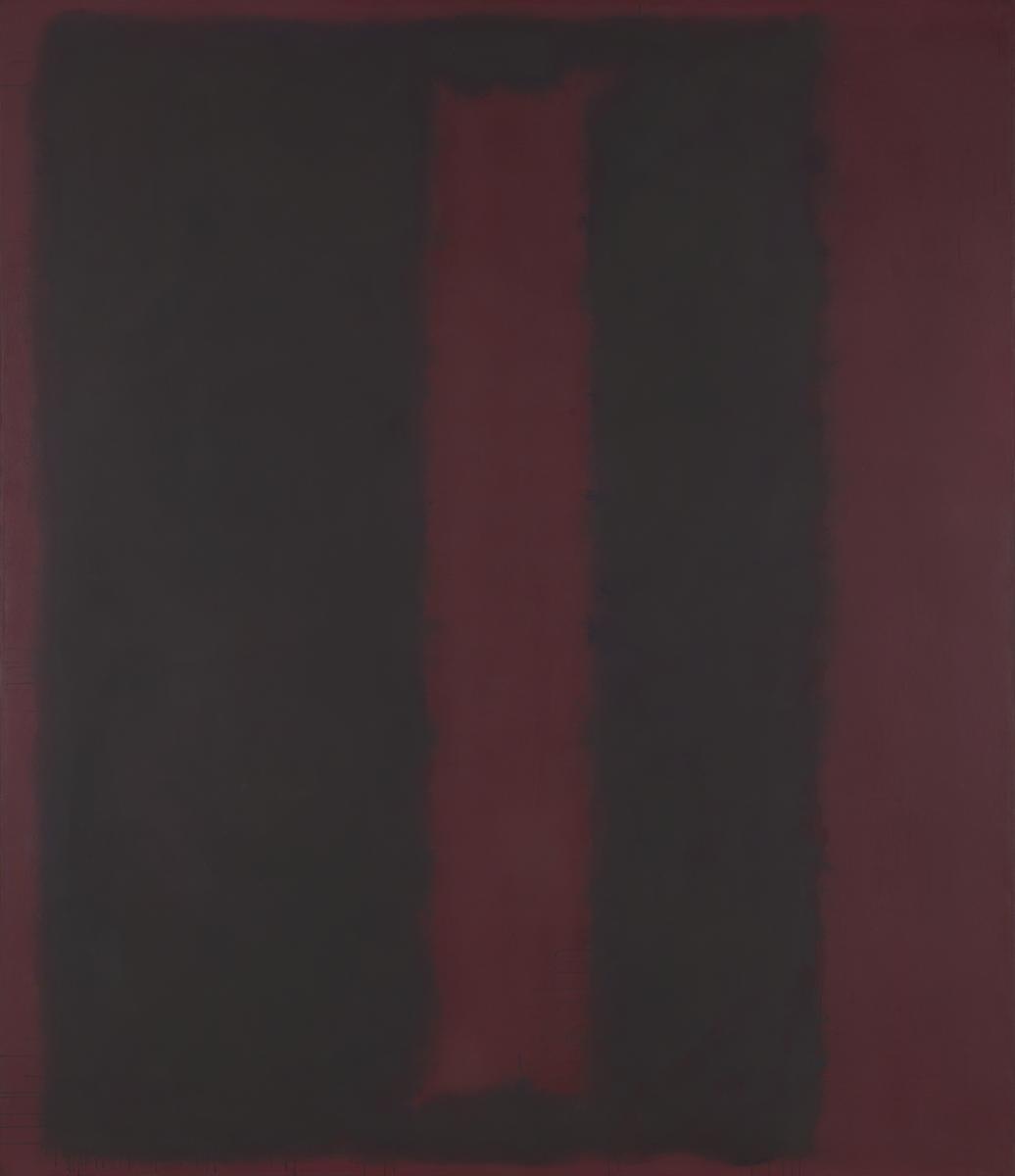
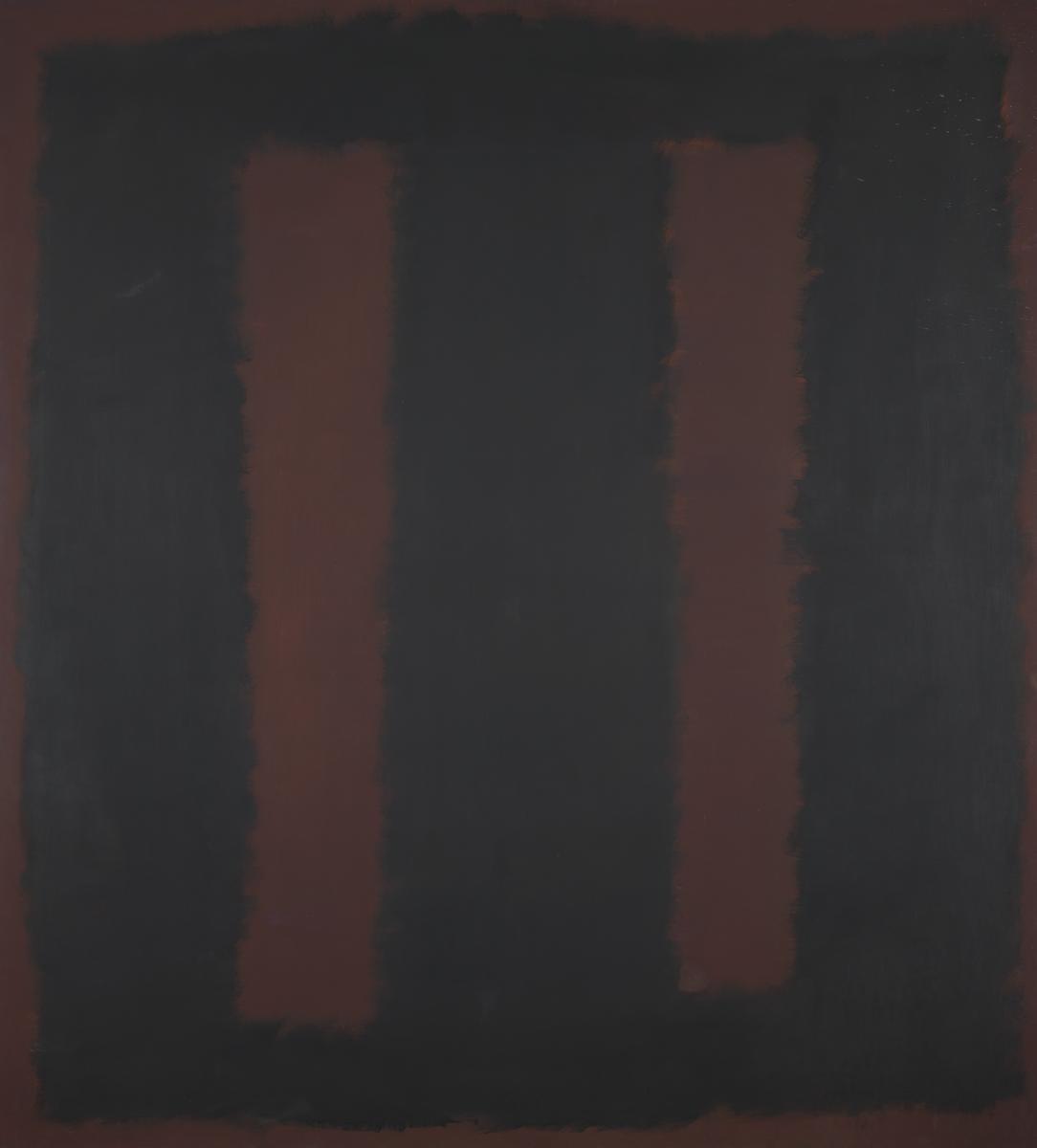
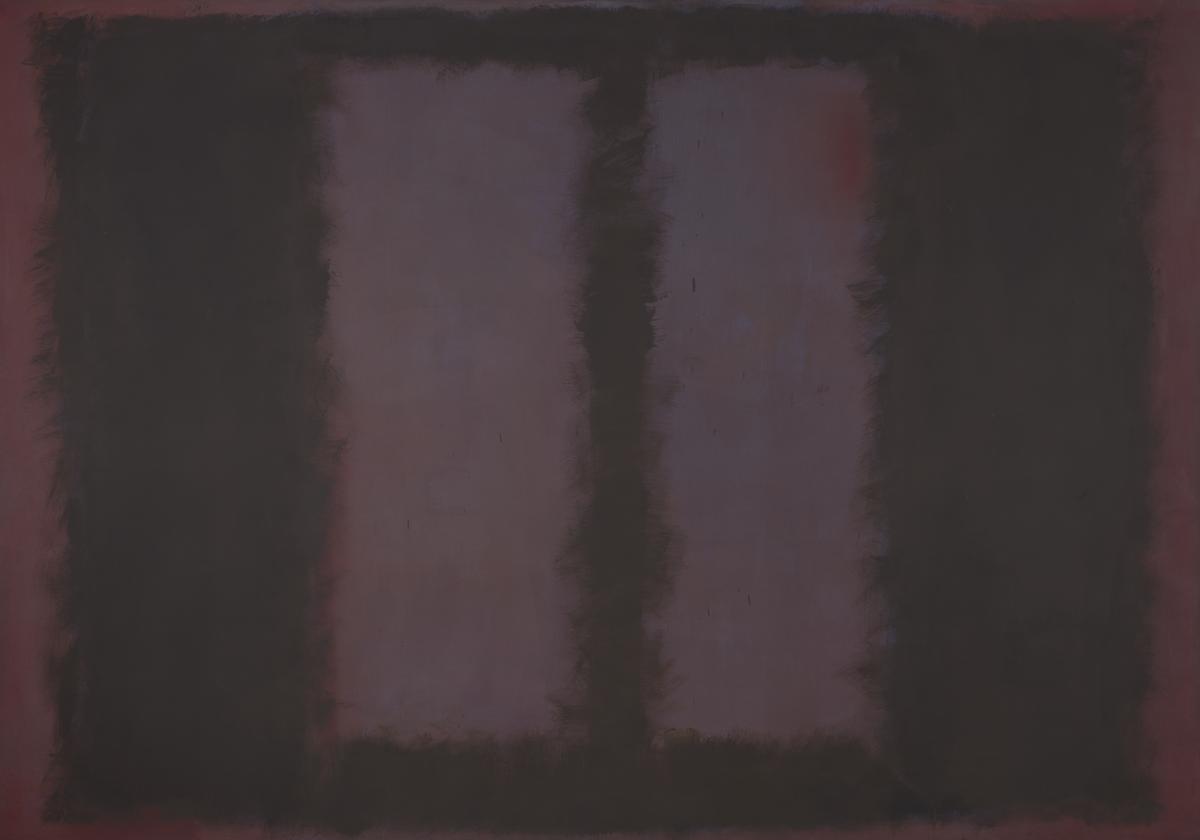
This is the “Black on Maroon” by Mark Rothko. It’s a large, unframed canvas that sits horizontally, its surface stretched tight over a delicate wooden frame. The base is a deep, velvety maroon, laid in layers of pigment mixed with rabbit‑skin glue. Over that, a broad, solid block of black is applied in broad, sweeping strokes with a commercial brush, the edges feathering into the maroon as if the colors were breathing together. The black rectangle frames a narrower maroon square inside it, giving the whole a window‑like shape that draws the eye into a quiet, almost claustrophobic interior.
Rothko painted this in 1959 as part of a series commissioned for the Four Seasons restaurant in New York’s Seagram Building. He had built a studio scaffold to match the dining room’s scale, hoping the works would speak on a human emotional level. The palette shifted from his earlier bright hues to dark maroon, black and deep red, reflecting a mood of contemplation and subtle pessimism. After two years he withdrew, feeling the restaurant’s exclusive setting was inappropriate, and later donated the series to Tate. The piece remains a powerful example of his colour‑field technique and his search for a space where paint itself becomes a feeling.
See it in person
Black on Maroon is in the collection of Tate Modern on Bankside, London — free to enter. Point your phone at any artwork there and audioguide.london plays a free audio guide in six languages — no app download needed.